
The fireworks may be finished, the music has faded, and the celebrations are officially over—but for many pets, the stress lingers well into January 1.
While humans wake up ready for a fresh start, pets are often left trying to make sense of the noise, disruption, and emotional intensity of New Year’s Eve. For dogs, cats, and rescue animals especially, this “day after” period is when Pet Decompress care matters most.
If your pet seems clingier, withdrawn, restless, or unusually quiet today, you’re not alone—and neither are they.
Why January 1 Is a Critical Decompression Day for Pets
Fireworks don’t just scare pets in the moment. The effects can last hours or even days.
Loud, unpredictable noises trigger a stress response that floods the body with cortisol. Even once the noise stops, a pet’s nervous system may still be on high alert.
For rescue animals and pets with past trauma, this response can be stronger and longer-lasting. January 1 is often when stress shows up behaviorally—not during the celebration itself.
This is why helping your pet decompress intentionally is so important.
Signs Your Pet Needs Help to Decompress
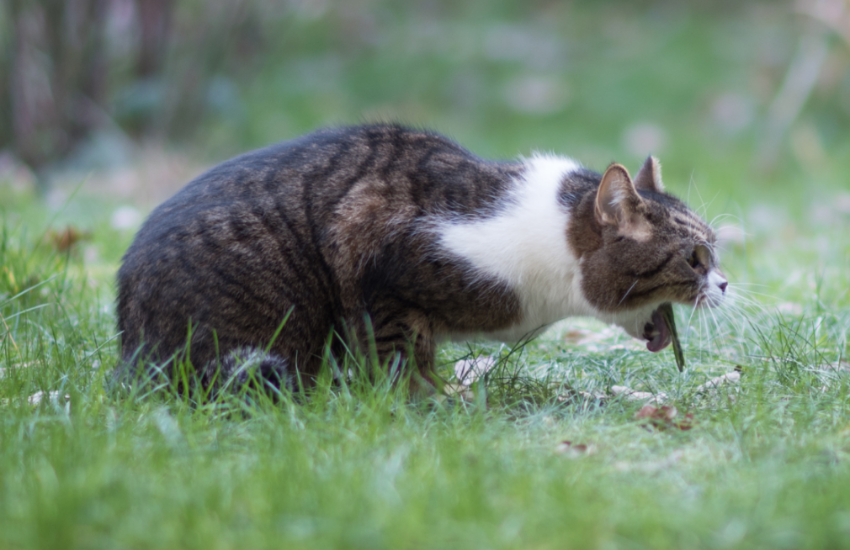
Every pet reacts differently, but common post-fireworks stress signals include:
-
Pacing, trembling, or excessive panting
-
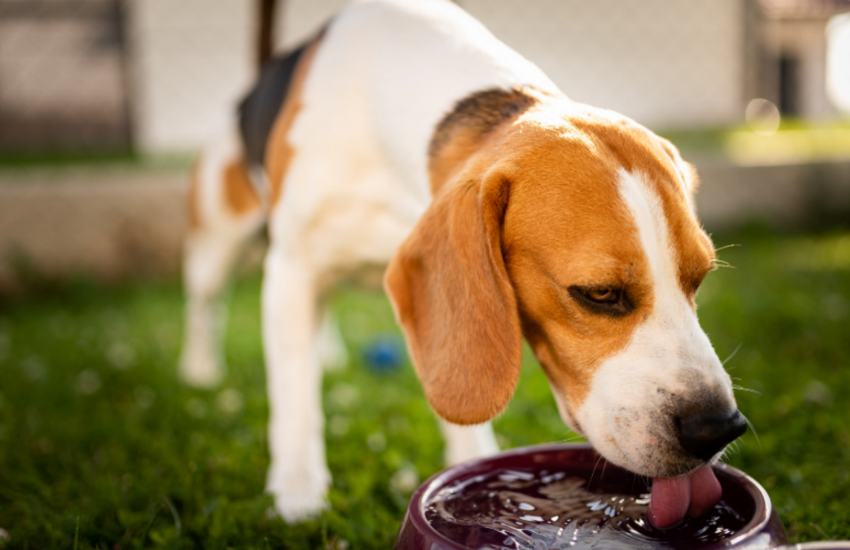
Avoiding food or water
-
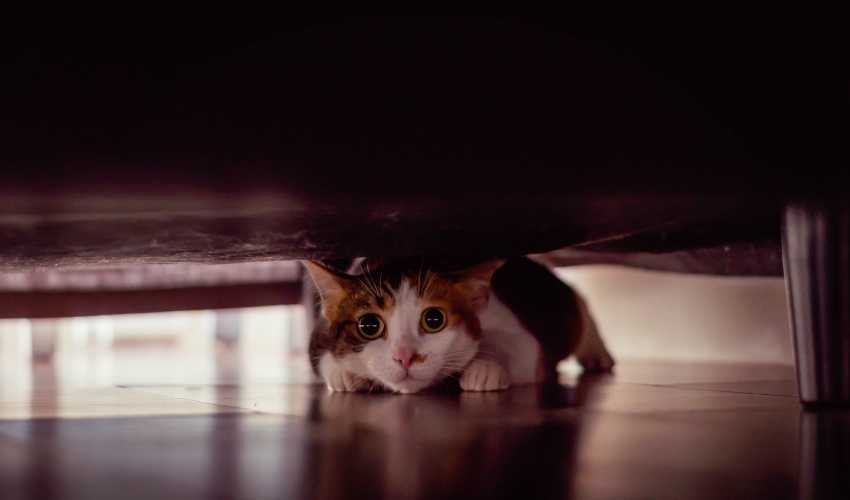
Hiding or refusing to leave a safe spot
-
Increased clinginess or vocalization
-
Regression in housetraining or routine behaviors
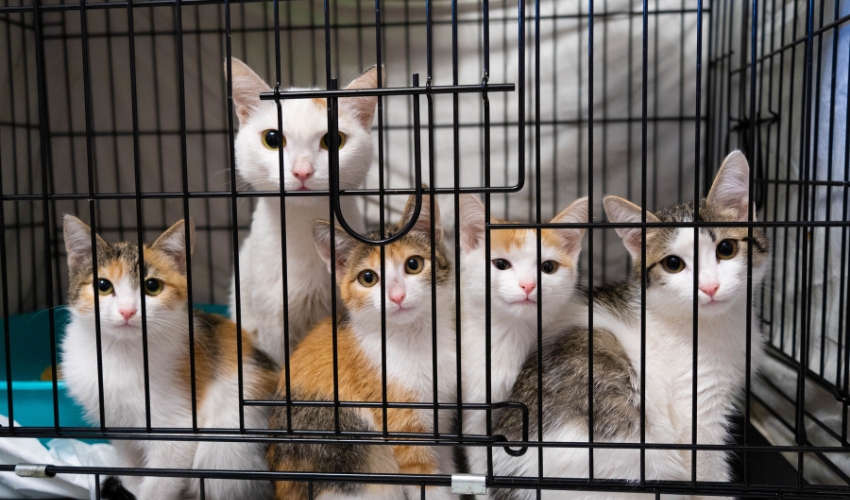
For rescue volunteers, you may notice animals appearing “shut down” or unusually reactive the day after loud celebrations.
These aren’t bad behaviors—they’re stress responses.
How to Help Your Pet Decompress on January 1
1. Re-Establish Familiar Routines
Routine signals safety.
Feed, walk, play, and rest at your pet’s usual times, even if your own schedule feels off. Familiar patterns help regulate their nervous system and speed up the Pet Decompress process.
2. Create a Calm, Predictable Environment
Lower stimulation wherever possible.
Close curtains, reduce household noise, and offer a quiet space where your pet can retreat without interruption. For shelter and foster settings, visual barriers and covered crates can make a big difference.
3. Let Your Pet Set the Pace
Some pets want closeness, others want space.
Follow their lead without forcing interaction. Sitting quietly nearby can be more comforting than excessive reassurance, which may unintentionally reinforce anxiety.
4. Gentle Movement Helps Release Stress
Light walks, sniffing time, or slow play can help discharge leftover tension.
Avoid overstimulation. The goal isn’t exercise—it’s emotional regulation.
For cats, this may look like calm interactive play or enrichment that encourages natural behaviors.
5. Offer Comfort Without Pressure
Familiar scents, favorite bedding, or enrichment toys can ground your pet.
For rescue animals, even small comforts—soft blankets, consistent caregivers, or quiet companionship—support decompression after a stressful night.
Why Pet Decompression Matters for Rescue Animals
January is one of the hardest months for shelters and rescues.
Animals are already navigating new environments, changing caregivers, and emotional uncertainty. Fireworks can amplify fear and slow behavioral progress if aftercare is overlooked.
Supporting Pet Decompress routines helps rescue animals reset emotionally, making them more receptive to training, socialization, and bonding in the days ahead.
Be Gentle—With Them and With Yourself
If you feel like New Year’s Eve didn’t go perfectly for your pet, you’re not alone.
What matters most is what you do after. Decompression isn’t about erasing fear—it’s about restoring safety, trust, and calm at your pet’s pace.
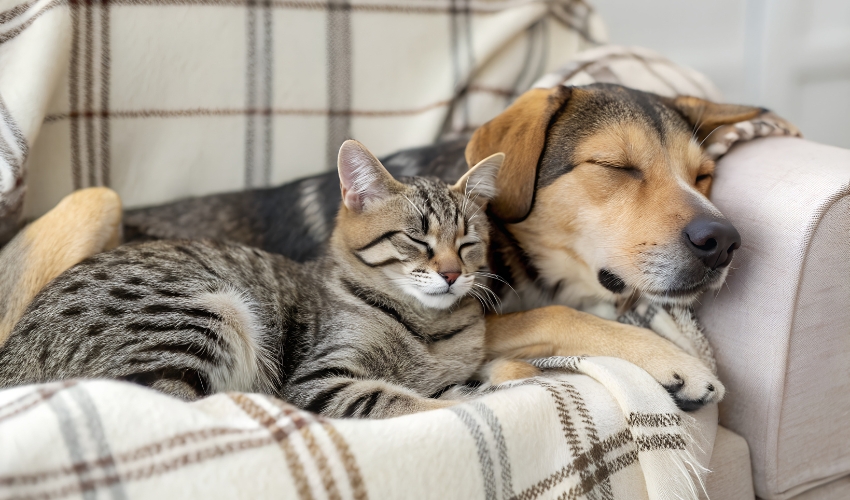
January 1 is not a reset button for pets. It’s a recovery day.
A Gentle Start to the New Year
As we step into a new year, let compassion—not perfection—guide how we care for the animals who depend on us.
Helping your pet decompress today sets the tone for a calmer, more connected year ahead.
Happy 2026!
Want more practical, compassionate tips to support pets and rescue animals year-round?
👉 Follow our social media accounts for helpful tips, education, and real-world animal welfare support:
https://web.facebook.com/Doobertrescue
Together, we can make every day—especially the hard ones—kinder for animals. 🐾