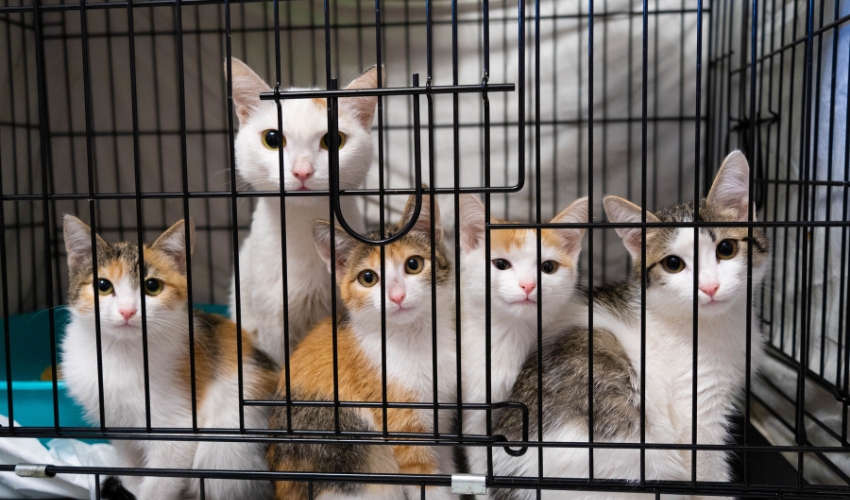
While January 1 is often celebrated as a fresh start, for animal shelters and rescues, it’s frequently one of the most demanding days of the year. As teams return from the holidays, many are immediately faced with a shelter intake surge driven by holiday stress, emergency situations, and delayed owner surrender decisions.
This isn’t a failure of planning—it’s a predictable pattern. Understanding why January 1 is so difficult is the first step toward preparing for it more effectively next year.
Why Shelters See a Shelter Intake Surge on January 1
The post-holiday intake surge isn’t random. It comes from a combination of predictable, compounding factors:
Holiday Stress and Animal Fear
Fireworks, travel, parties, and loud gatherings often create prolonged stress for pets. By January 1, many animals have bolted, escaped yards, or exhibited behaviors their families weren’t prepared to manage.
Delayed Owner Surrenders
Families frequently postpone difficult decisions during the holidays. Once celebrations end, shelters see an uptick in owner surrenders linked to housing changes, financial strain, or behavioral challenges.
Emergency and Crisis Situations
Domestic crises, unexpected hospitalizations, and housing changes often peak in late December, resulting in urgent intake requests as soon as the new year begins.
Reduced Staffing Meets Increased Need
Many organizations operate with minimal staff during the holidays. When January 1 hits, shelters must handle high intake numbers before full teams are back on schedule.
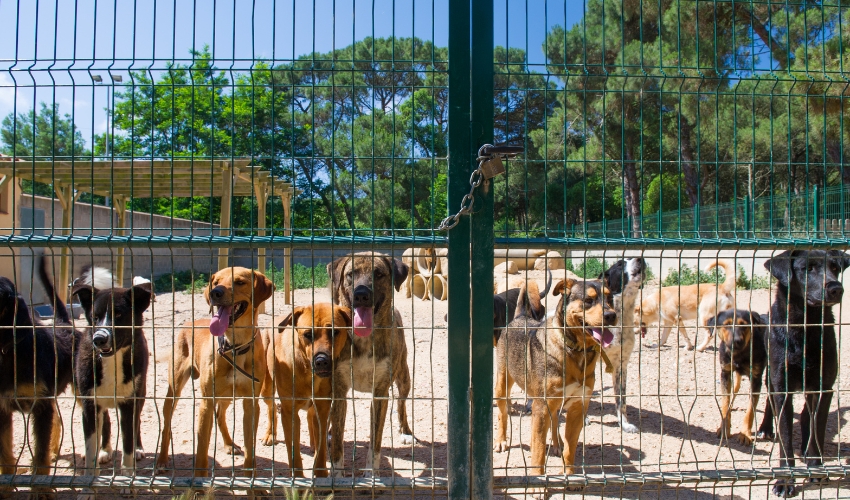
The Hidden Impact of a Shelter Intake Surge
A shelter intake surge affects more than just numbers. It strains systems, workflows, and people.
Animals often arrive fearful, stressed, or medically compromised. Staff and volunteers returning from the holidays face emotional fatigue. Without clear intake workflows and communication systems, small inefficiencies quickly become overwhelming.
How Shelters Can Prepare for the January 1 Intake Surge
1. Simplify Owner Surrender and Rehoming Processes
Owner surrenders are often the first challenge after the holidays. Having standardized forms and automated workflows reduces unnecessary stress for staff and pet families alike.
Doobert’s Owner Surrender / Rehoming Program provides ready-to-use forms, workflows, and templates that make intake faster, more consistent, and less emotionally draining.
2. Plan for Emergency and Crisis Boarding Requests
Crisis boarding needs can spike post-holidays. The Crisis Boarding Program helps shelters quickly identify individuals in need, coordinate temporary placements, and communicate clearly with pet parents. It can function as a standalone solution or integrate with foster management programs.
3. Use Intake Data to Predict Future Surges
Analyzing January 1 intake trends can help shelters anticipate staffing needs, foster availability, and resource allocation for future years. Tailored Reporting within Doobert Programs simplifies trend tracking so teams can spend more time on care and less on spreadsheets.
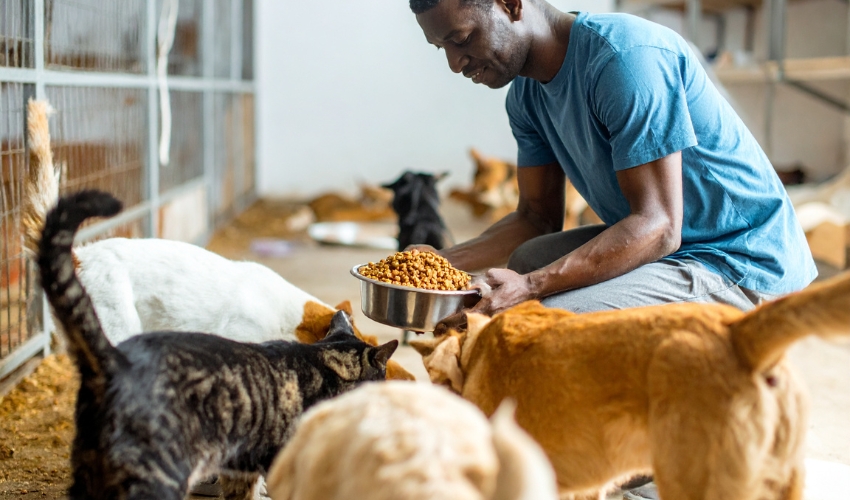
4. Reduce Preventable Intake Through Community Programs
Programs that support families before surrender become necessary are essential.
-
Spay & Neuter Program / Clinics: Manages everything from waitlists to case closures.
-
Pet Food Assistance Program: Tracks and manages requests, automates check-ins, schedules pickups, and simplifies communication.
Both programs help shelters ease intake pressures while supporting families in need.
Why Systems Matter Most on the Hardest Days
January 1 exposes weak spots in shelter operations. Manual processes slow teams down when time and energy are already stretched.
Doobert’s plug-and-play programs let shelters and rescues hit the ground running. Ready-to-use forms, automated workflows, and built-in reporting protect human care while keeping operations smooth.
Each program package includes:
-
Unique Phone Number
-
Unlimited Texting
-
Tailored Reporting
-
Rapid Support
-
Template Customization
-
Quick Template Setup
-
Expert Team Training Session
Whether you’re managing owner surrenders, crisis boarding, spay and neuter assistance, or pet food support, Doobert programs are built to meet real-world shelter needs.
January 1 Isn’t Just a Challenge—It’s a Planning Opportunity
The shelter intake surge on January 1 highlights where systems are strained, communities need more support, and small operational changes can yield big outcomes.
Preparing now doesn’t just make next January easier—it strengthens programs year-round, ensures animals receive consistent care, and supports staff and volunteers during high-pressure moments.
Upgrade Your Doobert Experience
The challenges that come with a January 1 shelter intake surge show just how important streamlined workflows really are.
Doobert’s plug-and-play programs help shelters simplify intake, improve communication, and stay organized—especially during predictable high-volume periods. Every subscription includes ready-to-use forms, automated workflows, and built-in reporting so your team can focus on what matters most: the animals.
Get started today—log in or explore program pricing here:👉 Doobert Programs