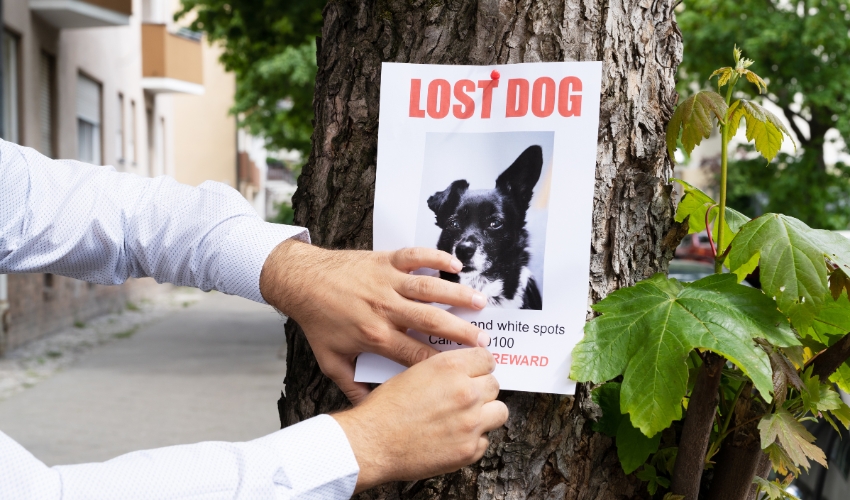
Every year, thousands of pets go missing, leaving families worried and communities anxious. For animal rescues and shelters, the challenge isn’t just finding lost pets—it’s managing the influx of calls, emails, and social media messages from concerned pet owners. Lost pet recovery is more than a priority; it’s a mission that directly impacts the well-being of animals and their families.
Fortunately, technology is helping shelters meet this challenge. AI-powered tools, like the Doobert Chatbot, allow organizations to respond faster, provide accurate guidance, and connect communities in real time—all while reducing the administrative burden on staff.

Why Lost Pet Recovery Is a Growing Challenge
Traditional methods for handling lost pet inquiries—phone lines, email forms, or physical bulletin boards—can be slow, inconsistent, and resource-intensive. Volunteers and staff often juggle multiple tasks, which can delay responses and reduce the chances of successfully reuniting pets with their owners.
Recent studies indicate that pets found within the first 48 hours of going missing have a much higher chance of being reunited with their families. This makes timely communication crucial. By integrating AI-driven lost pet recovery tools, shelters can:
-
Respond instantly to inquiries
-
Provide consistent, accurate information
-
Reduce staff burnout by automating routine tasks
How AI Enhances Lost Pet Recovery
The Doobert Chatbot includes the PetCo Love Lost feature, specifically designed to help shelters and rescues manage lost pet cases efficiently. Here’s how it works:
-
Instant Support: The Chatbot responds to inquiries 24/7, even when staff are unavailable.
-
Data Integration: It pulls information from your existing website, including lost pet listings, adoption pages, and community resources.
-
Multilingual Communication: Communities where English is not the primary language can receive assistance in their native language, improving engagement and accessibility.
-
Actionable Insights: Monthly engagement reports help shelters understand the types of questions their community asks most, enabling data-driven improvements.
Real-Life Impact
Several rescues have already seen significant benefits:
-
Flying Dog Rescue serves a diverse Latin American community. By using the Chatbot’s multilingual support, they’ve eliminated delays caused by manual translation, allowing pet owners to receive immediate guidance in Spanish.
-
Saving Strays reports that the Chatbot acts like a full-time support team member. It pulls answers directly from their website, ensuring interactions are personalized, accurate, and timely.
-
Causeforpaws has successfully streamlined inquiries about lost pets, allowing staff to focus on on-the-ground rescue operations instead of repetitive messaging.
These examples illustrate that AI tools for lost pet recovery are not just a convenience—they’re an essential part of modern animal welfare operations.
Implementing AI Lost Pet Recovery in Your Organization
Shelters and rescues looking to enhance their lost pet programs can follow these practical steps:
-
Assess Your Current Workflow: Identify bottlenecks in your lost pet response process.
-
Set Up an AI Assistant: A tool like the Doobert Chatbot can integrate with your website to answer common questions automatically.
-
Verify Your Data Sources: Ensure that all lost pet listings, adoption pages, and local resources are included in the system.
-
Customize the Chatbot: Adjust branding, language options, and responses to align with your organization’s voice.
-
Promote the Feature: Share its availability through newsletters, social media, and community outreach to increase awareness.
By following these steps, shelters can speed up reunions, enhance community engagement, and optimize internal workflows.
Best Practices for Lost Pet Recovery
-
Encourage Immediate Reporting: The faster pet owners report missing pets, the better the outcome.
-
Use Multiple Channels: Combine AI chat support with social media alerts, flyers, and local partnerships.
-
Track Trends: Analyze engagement reports to identify common questions or problem areas.
-
Educate Your Community: Provide clear guidance on what to do when a pet goes missing.
Looking Ahead
AI-powered lost pet recovery tools are shaping the future of animal welfare. They enable shelters to operate more efficiently, serve their communities more effectively, and ultimately help more pets return home safely. While technology is not a replacement for human compassion, it can amplify your impact and ensure that no inquiry goes unanswered.
Next Steps for Shelters
Every lost pet deserves a chance to get home. Organizations interested in improving their lost pet recovery efforts can start by exploring AI solutions that integrate directly with their website.
-
Check out the Doobert Chatbot: https://doobert.com/chatbot/
-
Stay updated with rescue tips and tools: Like our Facebook page for more updates: https://www.facebook.com/Doobertrescue
By leveraging these tools, rescues and shelters can provide timely, reliable, and accessible support to pet owners, increasing the likelihood of successful reunions while strengthening community trust.