Sarah Hock | How Trained Volunteers Transform Animal Cruelty Response
Sarah Hock | How Trained Volunteers Transform Animal Cruelty Response
Prefer an audio version? Listen here:
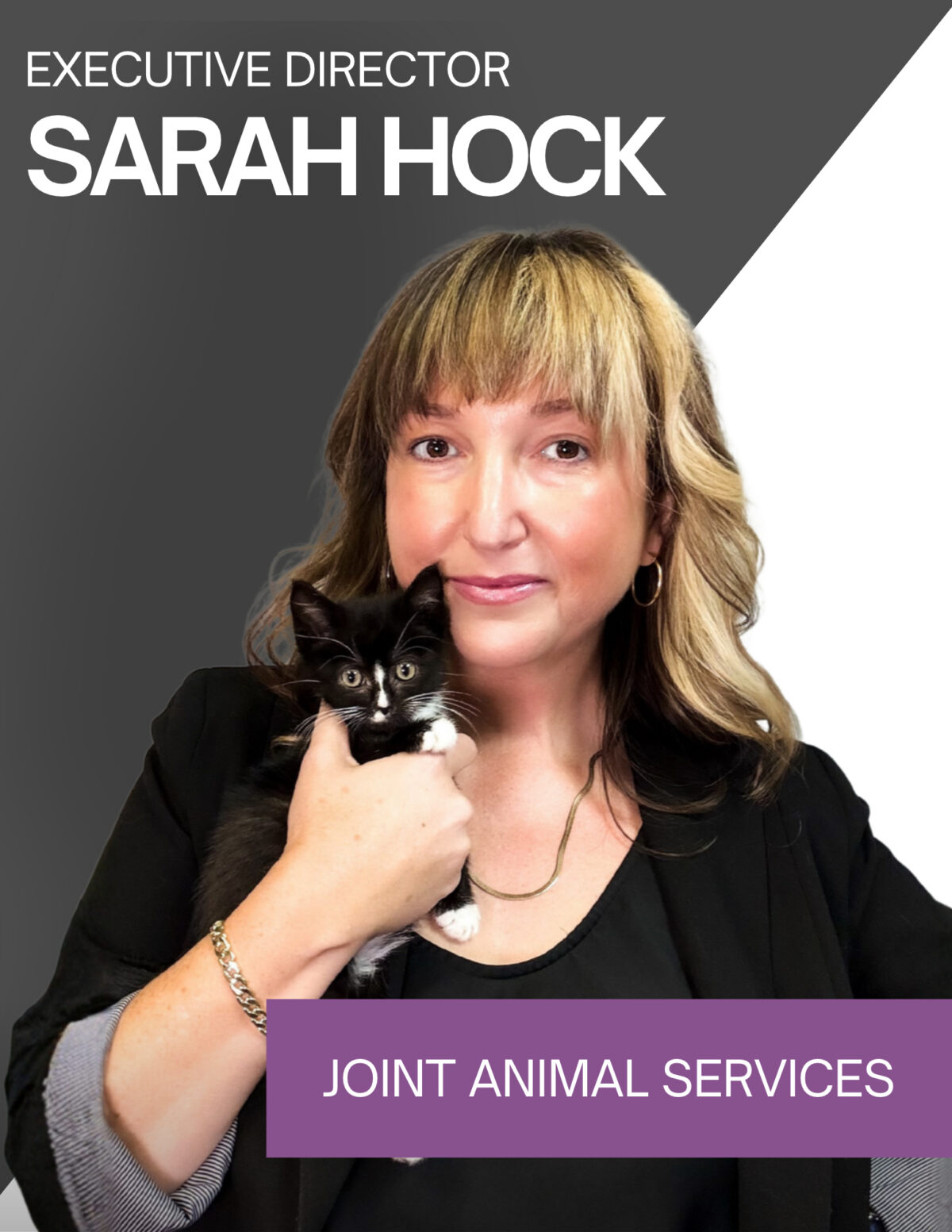
Sarah Hock, Executive Director of Joint Animal Services in Olympia, Washington, has spent more than two decades working across animal welfare. Her experience has shaped her belief that effective sheltering depends on collaboration, preparation, and understanding the people on the other side of the leash.
Joint Animal Services serves as a regional municipal shelter for Thurston County, taking in approximately 5,000 animals annually. The organization also houses animal control and humane law enforcement, a structure Hock believes encourages shared responsibility and better communication between field officers and shelter staff.
“Everybody’s a part of the team, right.”
That team-based approach becomes especially important during large-scale animal cruelty and neglect cases. Before developing its Animal Cruelty Response Team, Joint Animal Services sometimes had to suspend regular shelter services to provide enough staff for complex investigations. The team now includes trained volunteers who assist with documentation, equipment, photography, and other tasks at the scene. Some also serve as specialized foster caregivers for animals removed from difficult situations.
With advance planning, clearly defined responsibilities, and trained volunteers, the shelter can respond to serious cases while continuing to serve the public.
“This is not sustainable. We can’t keep doing this.”
Hock also highlights the value of community involvement. In Thurston County, active lost-and-found networks help reunite pets with their families, sometimes before animals need to enter the shelter. Joint Animal Services even provides a safe meeting place for people coordinating pet reunions.
Beyond operational improvements, Hock has seen animal welfare evolve toward a more holistic approach. Rather than automatically judging pet owners or assuming neglect comes from bad intentions, she believes organizations should explore what support could help families keep their pets. Resources such as pet food pantries and medical assistance can help prevent unnecessary separations.
“Not everything is mal intent. Not everything is because they’re a bad pet owner.”
For Hock, the human-animal bond is central to this work. Pets can provide unconditional love to people experiencing housing instability, addiction, or other hardships. Helping animals sometimes means supporting the people who rely on them, rather than immediately breaking that bond.
“And who are we to come in then and tell them that they’re a bad pet owner?”
Hock is also candid about the emotional demands of animal welfare. Shelter and animal control professionals can face heartbreaking cruelty cases, difficult decisions, and the pressure of serving their communities every day. She hopes the industry will better recognize this emotional labor while creating healthier workplaces.
Her vision for the future includes two priorities: ending the normalization of bullying and toxicity within animal welfare, and establishing the field as a respected profession with strong standards, best practices, and appropriate recognition for the work involved.
“I would love for us to professionalize the industry and to make sure that we never normalize the bullying and toxicity that can happen in this industry.”
Hock’s experience demonstrates how thoughtful planning, collaboration, and compassion can strengthen animal welfare organizations. By investing in people, preparing for complex cases, and supporting the bond between pets and their families, shelters can better serve both animals and the communities around them.
If you’re passionate about helping animals, join the Doobert community where volunteers, fosters, transporters, and organizations work together to save lives every day. Visit Doobert.com to get involved.
And don’t forget to subscribe to the Top Dog Podcast on Spotify and Apple Podcasts so you never miss an episode.
Do you know any Top Dogs we should interview? We’re always looking for amazing people in animal welfare to feature on the podcast. Send us an email at tdp@doobert.com.
