Compassion Without Judgment: How Animal Shelters Can Keep More Pets and People Together

Compassion Without Judgment: How Animal Shelters Can Keep More Pets and People Together

In Animal welfare is often seen through one lens: rescuing homeless pets and finding them new homes. But today’s most effective organizations know that saving lives starts much earlier—before surrender, before crisis, and before families are forced to say goodbye.

In this episode of the Top Dog Podcast, Mike Keiley of the MSPCA shares how shelters can create deeper impact through compassion, collaboration, and community support systems. His message is clear: success in animal welfare is not about one organization winning—it’s about everyone succeeding together.

For organizations, fosters, and Dooberteers, this episode offers practical lessons on modern shelter leadership and how to keep more pets where they belong: with the people who love them.


Modern Animal Welfare Is Bigger Than Adoptions

The MSPCA supports animals through multiple shelter locations, community clinics, outreach programs, law enforcement, advocacy, relocation, and urgent medical assistance.

That broad approach reflects how animal welfare has evolved.

Today’s shelters are not just adoption centers. They are also:

  • Crisis support hubs
  • Affordable veterinary access points
  • Pet food assistance providers
  • Community educators
  • Safety nets for families in hardship
  • Partners to other rescues and shelters

This matters because many pets entering shelters are not unwanted—they are caught in larger human challenges.


Surrender Is a Service, Not a Failure

One of the most powerful ideas Mike shared is that owner surrender should be treated as a compassionate service, not a moral failure.

Families may surrender pets because of:

  • Housing restrictions
  • Medical costs
  • Job loss
  • Family crisis
  • Domestic instability
  • Personal health emergencies

“Surrender is a service that we provide.”

That mindset changes everything.

Instead of judgment, organizations can offer:

  • Respectful conversations
  • Resource referrals
  • Temporary support when possible
  • Kind intake experiences when surrender is necessary

For Dooberteers and shelter teams, this is a reminder that empathy helps both animals and people.


Pet-Inclusive Housing Saves Lives

One of the largest threats to pet retention today is housing.

Many families are forced to choose between keeping their pet and securing a place to live. That is why pet-inclusive housing is becoming one of the most important issues in animal welfare.

When communities expand pet-friendly housing:

  • Shelter intake can decrease
  • Families stay together
  • Fewer pets are rehomed due to moving
  • Stress on local rescues is reduced

For organizations, advocacy can be just as lifesaving as adoptions.


Financial Help Can Prevent Heartbreaking Choices

The MSPCA also created pathways for urgent veterinary treatment when families cannot afford emergency care.

Without support, people may face devastating choices such as:

  • Surrendering a pet for treatment
  • Delaying necessary care
  • Humane euthanasia due to cost

By offering affordable surgeries and medical intervention, shelters can preserve families and prevent unnecessary loss.

This is one of the strongest examples of proactive animal welfare: solving the problem before the pet enters the shelter system.


Collaboration Beats Competition

Mike emphasized something many leaders need to hear:

Success is not about one organization having success—it’s about all of us having success.

Animal welfare works best when groups collaborate through:

  • Transfers and relocation support
  • Shared spay/neuter resources
  • Professional guidance
  • Joint community outreach
  • Emergency response partnerships

For rescues and shelters, competition for credit helps no one. Cooperation saves more lives.


Support the Humans Doing the Work

Animal welfare professionals and volunteers carry emotional burdens every day.

They may witness:

  • Neglect cases
  • Medical emergencies
  • Euthanasia decisions
  • Compassion fatigue
  • High-volume intake stress

That’s why internal support matters. Mike shared that their organization invested in a full-time internal social worker focused on staff wellbeing.

For organizations, this is a critical lesson: caring for staff is caring for animals.

Healthy teams create sustainable lifesaving work.


Leadership Means Listening More

When asked what he would tell his younger self, Mike shared a thoughtful lesson:

Listen more and talk less.

Strong leaders are not just decisive—they are teachable. They create space for feedback, new ideas, and better solutions.

For anyone leading volunteers, fosters, or programs, listening often reveals the next breakthrough.


What This Means for Dooberteers

If you foster, transport, volunteer, donate, or advocate, you are part of the larger solution.

You help by:

  • Creating space in shelters
  • Supporting families in crisis
  • Moving pets to opportunity
  • Sharing resources
  • Building compassionate communities

Animal welfare is not only about rescue. It is about keeping bonds intact whenever possible.


Listen to the Full Episode

Want to hear the full conversation with Mike Keiley and learn how the MSPCA is redefining modern animal welfare?

Watch on YouTube:

Listen for the audio versions:


If you’re passionate about helping animals, join the Doobert community where volunteers, fosters, transporters, and animal organizations work together to save lives every day.

Visit Doobert.com to get involved, volunteer, foster, or transport animals in need.

And don’t forget to subscribe to the Top Dog Podcast on YouTube, Spotify, and Apple Podcasts so you never miss an episode.

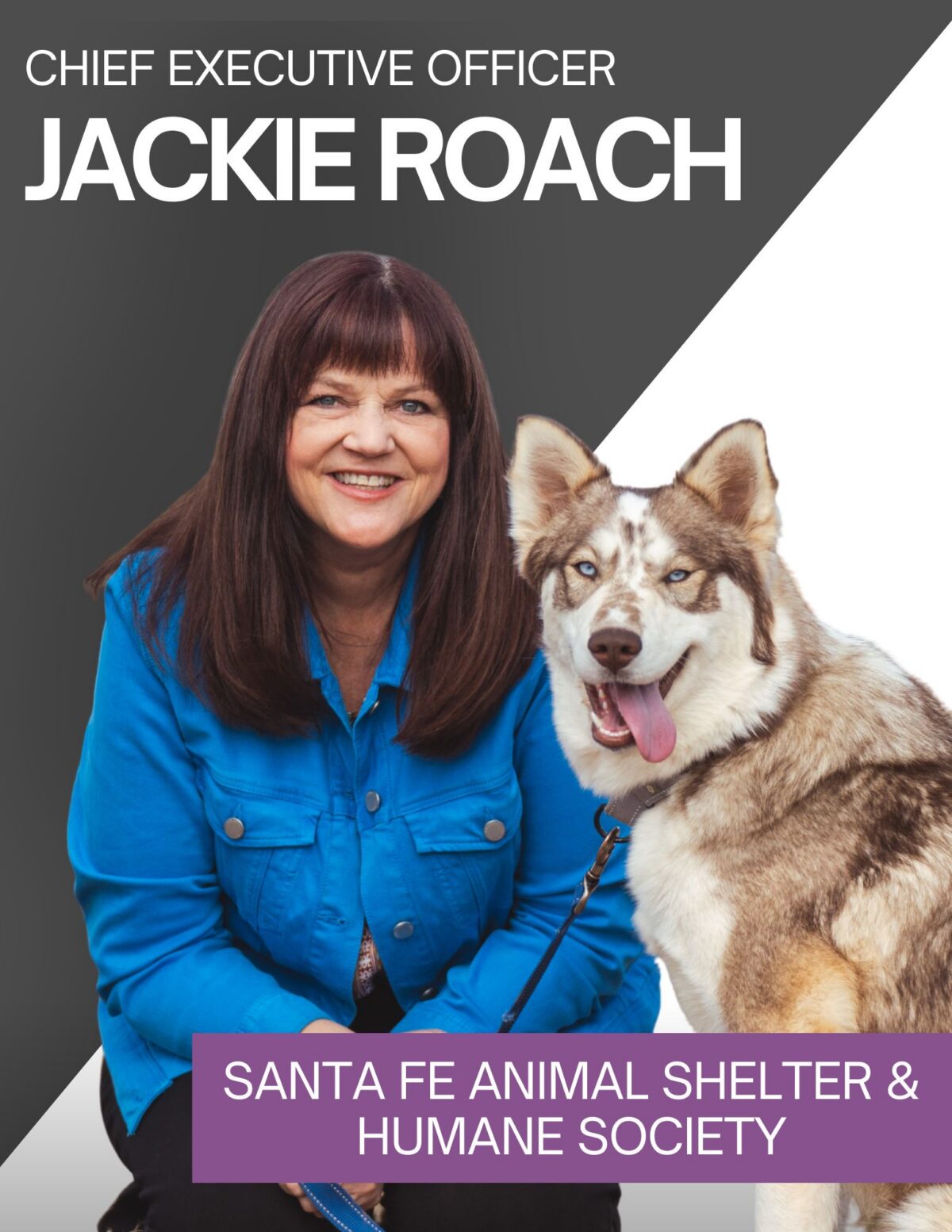
Jackie Roach | From Career Pivot to Purpose-Driven Leadership

Jackie’s story highlights how unexpected moments can lead to meaningful impact — including founding a rescue that has saved over 2,500 dogs and eventually stepping into leadership roles across the industry.

A key takeaway from this episode is the importance of mindset and leadership approach. Jackie emphasizes moving away from scarcity thinking and toward growth, experimentation, and community impact.