
Brittany Vanderstine | Exotic Animals Deserve a Second Chance Too
Brittany Vanderstine | Exotic Animals Deserve a Second Chance Too
Prefer an audio version? Listen here:
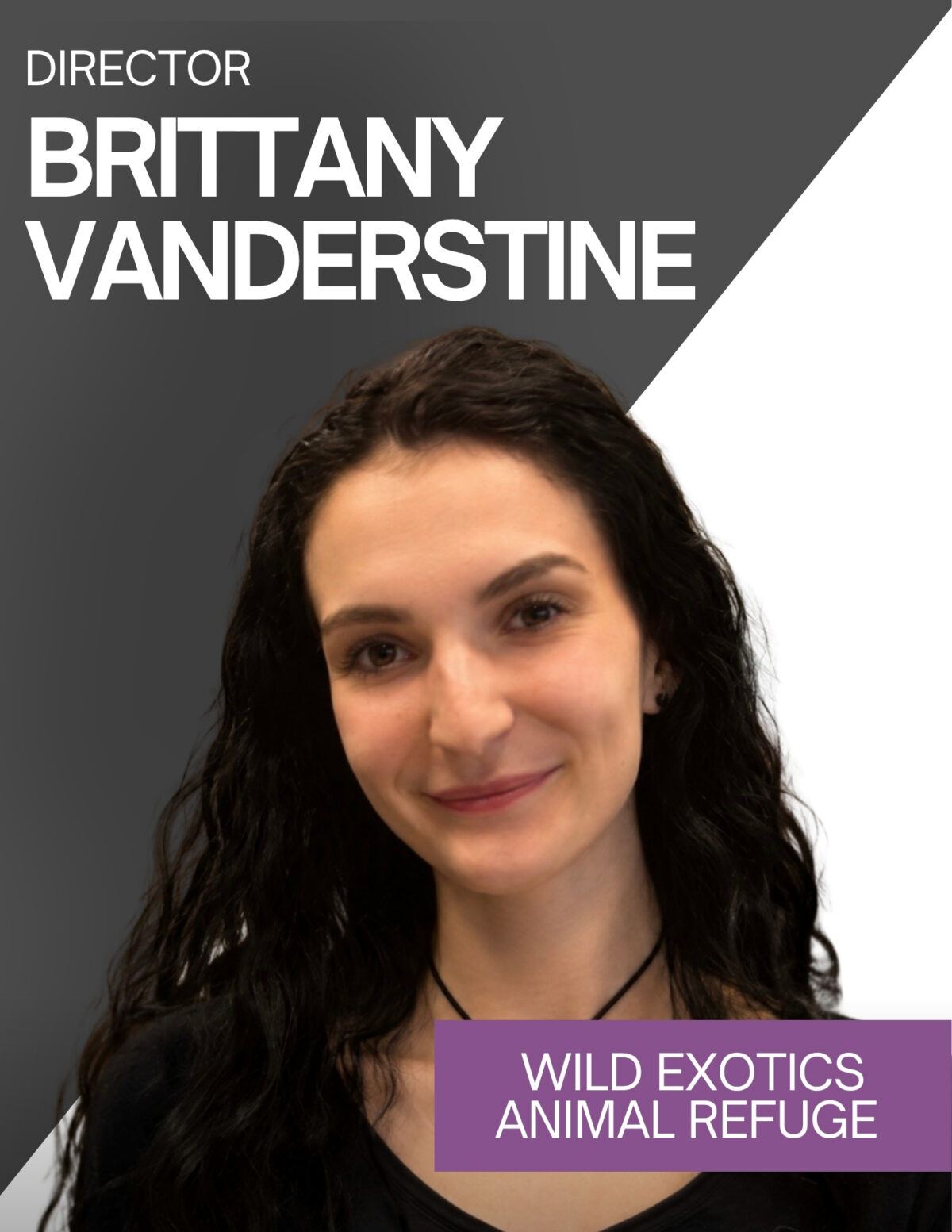
In this episode of the Top Dog Podcast, Brittany Vanderstine, Director of Wild Exotics Animal Refuge, brings a very different perspective to animal rescue. Her work focuses on exotic animals that become victims of the exotic pet trade, from turtles and tortoises to chinchillas and other species that often have nowhere else to go.
Brittany’s journey began at just 18 years old, working at an animal shelter with sick, injured, and abused dogs and cats. She eventually transitioned into exotic animal rescue, where she worked with tigers, lions, monkeys, peacocks, and other animals rescued from roadside zoos, laboratories, and private ownership.
That experience revealed a major gap in the rescue world. While there were places for large exotic animals, there weren’t nearly as many options for the smaller animals commonly sold through the exotic pet trade.
“There were places for big exotics to go, but not a lot of places for the small exotics.”
That realization eventually led Brittany to start her own rescue. What began as a personal effort eventually became Wild Exotics Animal Refuge, a New Jersey nonprofit that is now working toward establishing a physical facility while continuing to operate through foster homes.
One of the biggest challenges Brittany sees is impulse buying. Exotic animals can look fascinating in a pet store, but many people don’t understand the specialized care, space, diet, veterinary needs, and long-term commitment involved.
“Our biggest problem here in Jersey is impulse buying.”
When those animals become sick or too difficult to care for, rescues like Wild Exotics are often the ones people turn to. Brittany estimates that the majority of their intake requests involve animals purchased impulsively and then surrendered when their owners realize they cannot provide the appropriate care.
“Eight of them will be, ‘Uh oh, I bought this animal on impulse.'”
That is why education has become one of Wild Exotics’ biggest priorities. The organization visits schools and other facilities to teach people about the exotic pet trade, how these animals end up in stores, and what happens when they are purchased without understanding their needs.
“Education is very important for us.”
Brittany also explains why fostering exotic animals requires a completely different approach from fostering dogs and cats. With so many different species coming through the organization, foster families have to be willing to learn, adapt, and sometimes completely change their approach depending on the animal in their care.
“Everyone’s ready to pivot at any second.”
The organization carefully screens potential foster homes, conducts virtual and in-person evaluations, provides foster manuals and resources, and works closely with veterinary professionals. Brittany believes that flexibility and a willingness to keep learning are essential.
“We put a lot of trust in our fosters.”
For anyone considering starting an exotic animal sanctuary, Brittany doesn’t sugarcoat the reality. Running a rescue is rewarding, but it requires enormous commitment, continuous education, financial planning, and the ability to navigate everything from permits to difficult people and complex animal care.
Her advice is memorable:
“You have to be willing to eat glass.”
Brittany explains that exotic animal medicine and husbandry are constantly evolving, and rescuers can’t assume they already know everything. The more she has learned, the more she has realized how much there is still to learn.
“You have to be swallowing knowledge nonstop, morning, noon and night.”
Despite all the challenges, Brittany’s passion for the animals keeps her moving forward. She hopes Wild Exotics will eventually expand its physical facility, foster network, educational programs, and advocacy work.
And when asked what she wants her legacy to be, her answer captures the determination behind everything she does:
“That’s the crazy woman who risked everything for animals. And she did it.”
At its core, this episode challenges the idea that animal rescue is limited to dogs and cats. Exotic animals can become victims of neglect, abuse, impulse purchases, and irresponsible ownership too—and they deserve the same chance at safety and proper care.
“Any animal can be a rescued animal.”
This message is especially important for Dooberteers, volunteers, fosters, and animal advocates. Whether an animal has fur, feathers, scales, or something entirely unexpected, there is always an opportunity to make a difference.
If you’re passionate about helping animals, join the Doobert community where volunteers, fosters, transporters, and organizations work together to save lives every day. Visit Doobert.com to get involved.
And don’t forget to subscribe to the Top Dog Podcast on Spotify and Apple Podcasts so you never miss an episode.
Do you know any Top Dogs we should interview? We’re always looking for amazing people in animal welfare to feature on the podcast. Send us an email at tdp@doobert.com.
