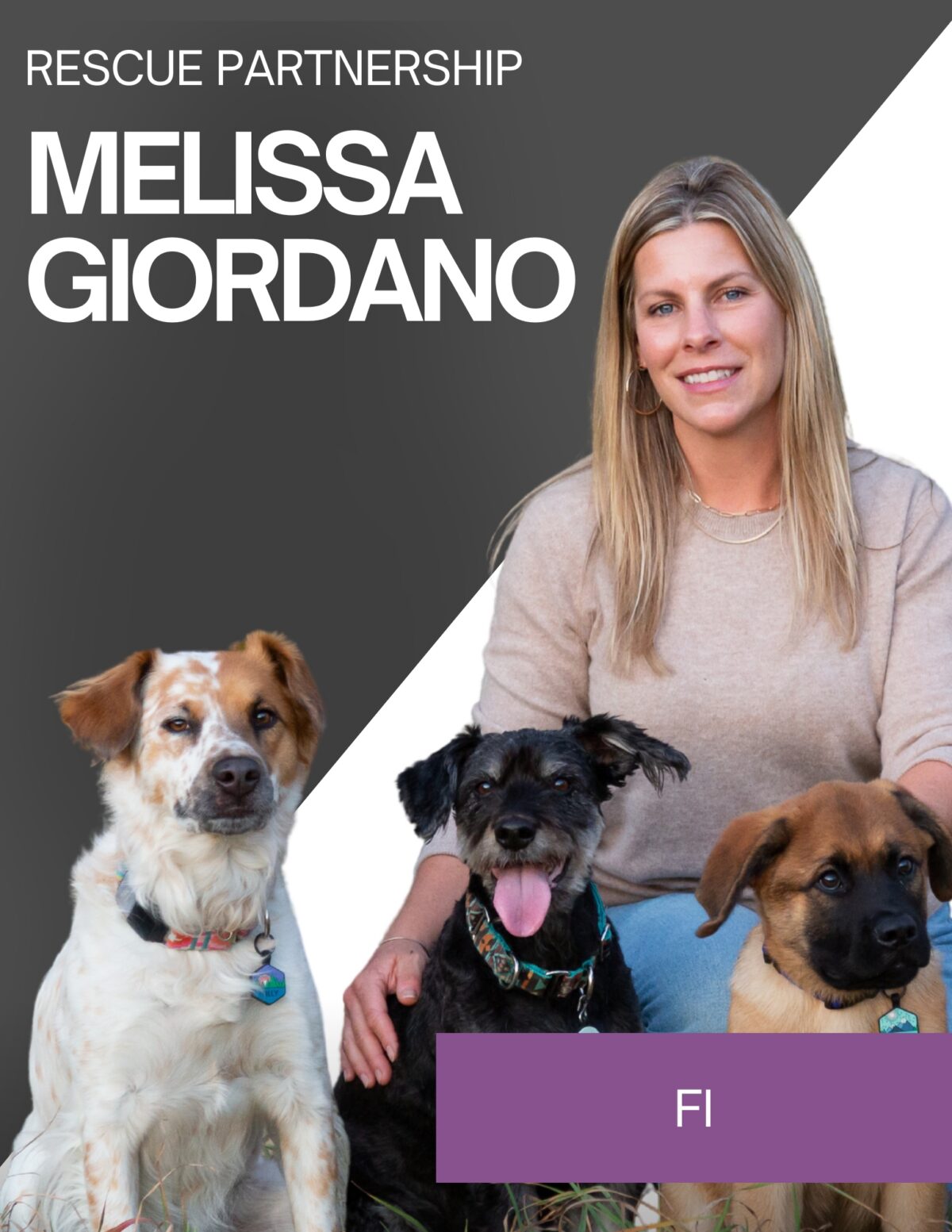
In this episode of the Top Dog Podcast, Melissa Giordano shares her journey from rescuing two stray dogs in Puerto Rico to becoming a powerful advocate for fostering, transport rescue, and pet safety.
What started as a vacation quickly became a lifelong mission.
Changing the System to Save More Animals: How Policy, Education, and Coalition Building Create Lasting Change
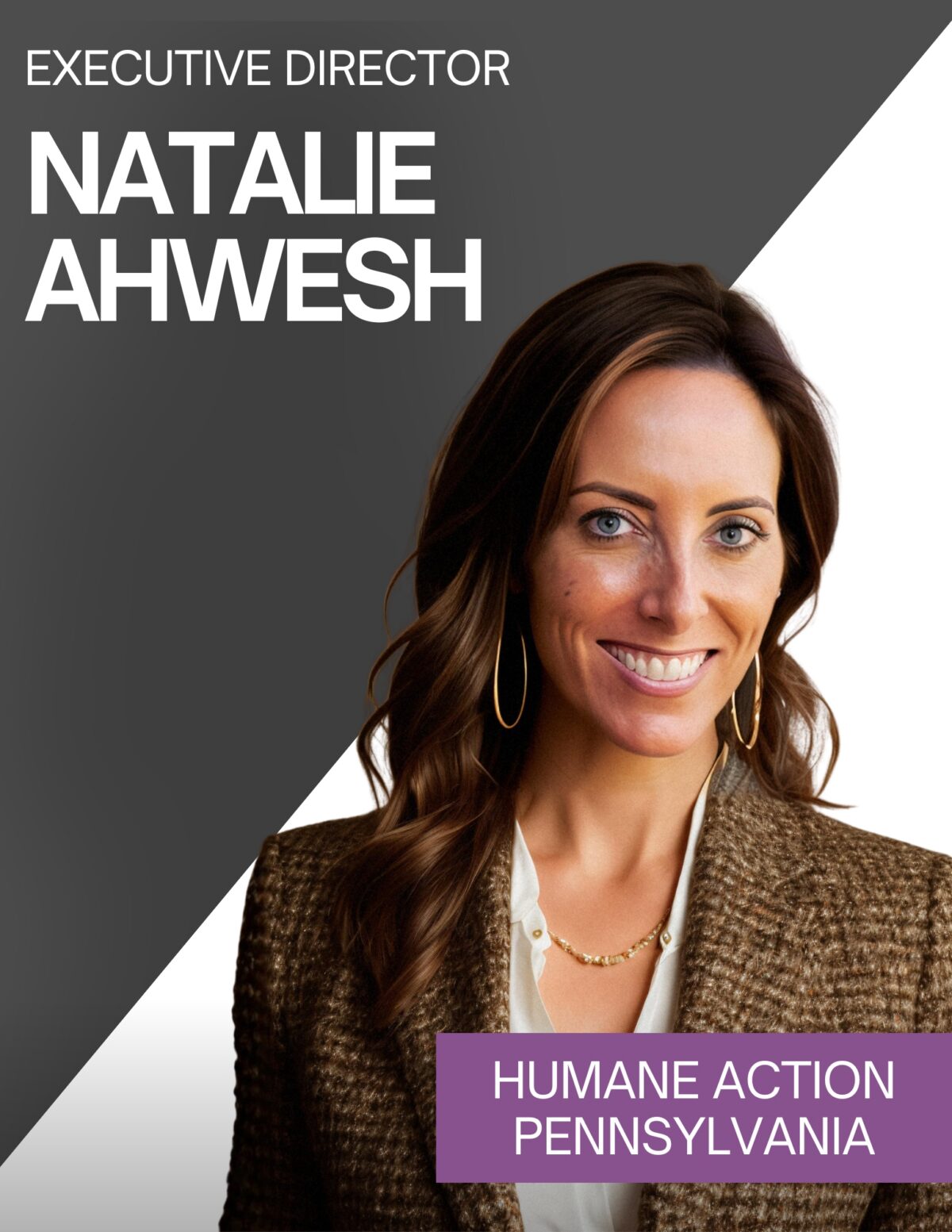
Animal rescue is often what people first think about when they imagine helping animals. But according to Animal rescue is often what people first think about when they imagine helping animals. But according to Natalie Ahwesh of Humane Action Pennsylvania, some of the most impactful work happens long before an animal ever enters a shelter.
In this episode of the Top Dog Podcast, Natalie shares how policy reform, community education, and creative coalition-building are helping create long-term change for animals across Pennsylvania. From domestic violence protections to wildlife education campaigns, her work proves that saving animals is not always about direct rescue—it’s also about changing systems.
For organizations, fosters, and Dooberteers, this episode offers a powerful reminder that advocacy and education can protect thousands of animals for years to come.
One Law Can Help Thousands of Animals
Natalie began her animal welfare journey as a volunteer walking dogs and helping at shelters while working professionally as a mathematics instructor.
But after joining what would become Humane Action Pennsylvania, she realized something important:
“If I can work to pass a law, I could help hundreds or maybe even thousands of dogs.”
That realization shifted her focus from individual rescue to systemic change.
Over the past 11 years, Humane Action Pennsylvania has helped pass nearly 30 animal welfare laws through:
Legislative advocacy
Community education
Coalition partnerships
Grassroots organizing
And unlike temporary solutions, policy changes can create lasting protection for animals for years or even decades.
Real Change Takes Patience
One of the biggest lessons Natalie shares is that policy work requires persistence.
Some campaigns move quickly. Others take years.
“Policy work is definitely not for people who need instant gratification.”
One Pittsburgh ordinance banning retail sales of commercially bred dogs, cats, and rabbits moved through city council in just weeks.
Another campaign to eliminate animal circuses took nearly three years.
For organizations and advocates, this is an important takeaway: Meaningful change often happens slowly—but that doesn’t make it less impactful.
Animal Welfare Is Connected to Human Issues
One of the most unique aspects of Humane Action Pennsylvania’s work is its focus on interconnected social issues.
Their campaigns extend beyond traditional animal advocacy into areas like:
Domestic violence prevention
Human health
Environmental protection
Urban wildlife coexistence
Public art and education
Natalie explained that animal welfare doesn’t exist in isolation.
“We look at animal welfare through the lens of how it’s connected with other social issues.”
This broader approach helps bring in supporters who may not initially identify as “animal people” but still care deeply about:
Community wellbeing
Public safety
Environmental issues
Violence prevention
Coalition Building Creates More Influence
One of the most valuable lessons from this episode is the importance of coalition-building.
Rather than working alone, Humane Action Pennsylvania partners with:
Law enforcement agencies
Domestic violence organizations
Hunting groups
Environmental advocates
Public officials
One major success involved passing legislation allowing pets to be included in protection-from-abuse orders for domestic violence survivors.
To make that happen, they partnered with:
The Pennsylvania Sheriffs Association
District attorneys
Police departments
Domestic violence advocates
“When lawmakers are getting calls from the president of the Pennsylvania Sheriffs Association, they’re listening.”
For animal organizations, this is a critical insight: Progress often happens faster when you find common ground with unexpected partners.
Education Can Change Hearts and Minds
Not every issue can be solved through legislation.
Sometimes education creates the greatest impact.
One example is Humane Action Pennsylvania’s “Love Your Wild Neighbor” campaign, which helps communities coexist more humanely with urban wildlife like raccoons.
Instead of focusing only on enforcement or trapping, the organization created:
Educational online resources
Humane wildlife conflict solutions
Public awareness campaigns
Large-scale wildlife murals in underserved communities
“We want people to start seeing them as neighbors instead of nuisances.”
These projects not only educate the public—they also beautify communities and create conversations around compassion and coexistence.
Innovation Often Comes From Flexibility
One of the most refreshing parts of Natalie’s leadership philosophy is her openness to adapting.
Unlike organizations that rely heavily on rigid long-term planning, Humane Action Pennsylvania stays flexible.
“Almost everything we’ve accomplished has been because the stars aligned and an opportunity presented itself.”
That flexibility allows the organization to:
Respond quickly to opportunities
Build new partnerships organically
Shift priorities when needed
Explore creative campaigns
For nonprofits and rescue groups, this is an important reminder: Sometimes adaptability is more valuable than perfection.
Creative Campaigns Reach New Audiences
Natalie’s team also understands the importance of making advocacy approachable.
One example is Pittsburgh’s Vegan Restaurant Week, designed to:
Promote plant-based food options
Introduce new audiences to compassionate eating
Support local businesses
Create positive community engagement
They’ve also explored:
Public art campaigns
Wildlife education events
Humane coexistence initiatives
These campaigns help expand the “circle of compassion” by making animal advocacy accessible to broader audiences.
You Don’t Need a Traditional Background to Make an Impact
One of the most inspiring aspects of Natalie’s story is that she didn’t begin in politics or nonprofit leadership.
She started as:
A math instructor
A shelter volunteer
Someone simply trying to help animals
That eventually grew into statewide advocacy work influencing legislation and public policy.
For Dooberteers, this is an important reminder: You do not need the perfect background to create meaningful change.
What This Means for Dooberteers
Whether you foster, volunteer, advocate, transport, or educate others, you are helping create a more compassionate future for animals.
Natalie’s story shows that impact can happen through:
Education
Advocacy
Community conversations
Coalition-building
Creativity
Sometimes helping animals means changing the systems around them.
Listen to the Full Episode
Want to hear the full conversation with Natalie Ahwesh and learn more about policy advocacy, coalition-building, and innovative animal welfare campaigns?
If you’re passionate about helping animals, join the Doobert community where volunteers, fosters, transporters, and animal organizations work together to save lives every day.
Visit Doobert.com to get involved, volunteer, foster, or transport animals in need.
And don’t forget to subscribe to the Top Dog Podcast on YouTube, Spotify, and Apple Podcasts so you never miss an episode.
The Smallest Lives Need the Biggest Support: How Education and Foster Innovation Are Saving Neonatal Kittens
Every year, millions of cats enter shelters across the United States—and among them, neonatal kittens remain the most vulnerable.
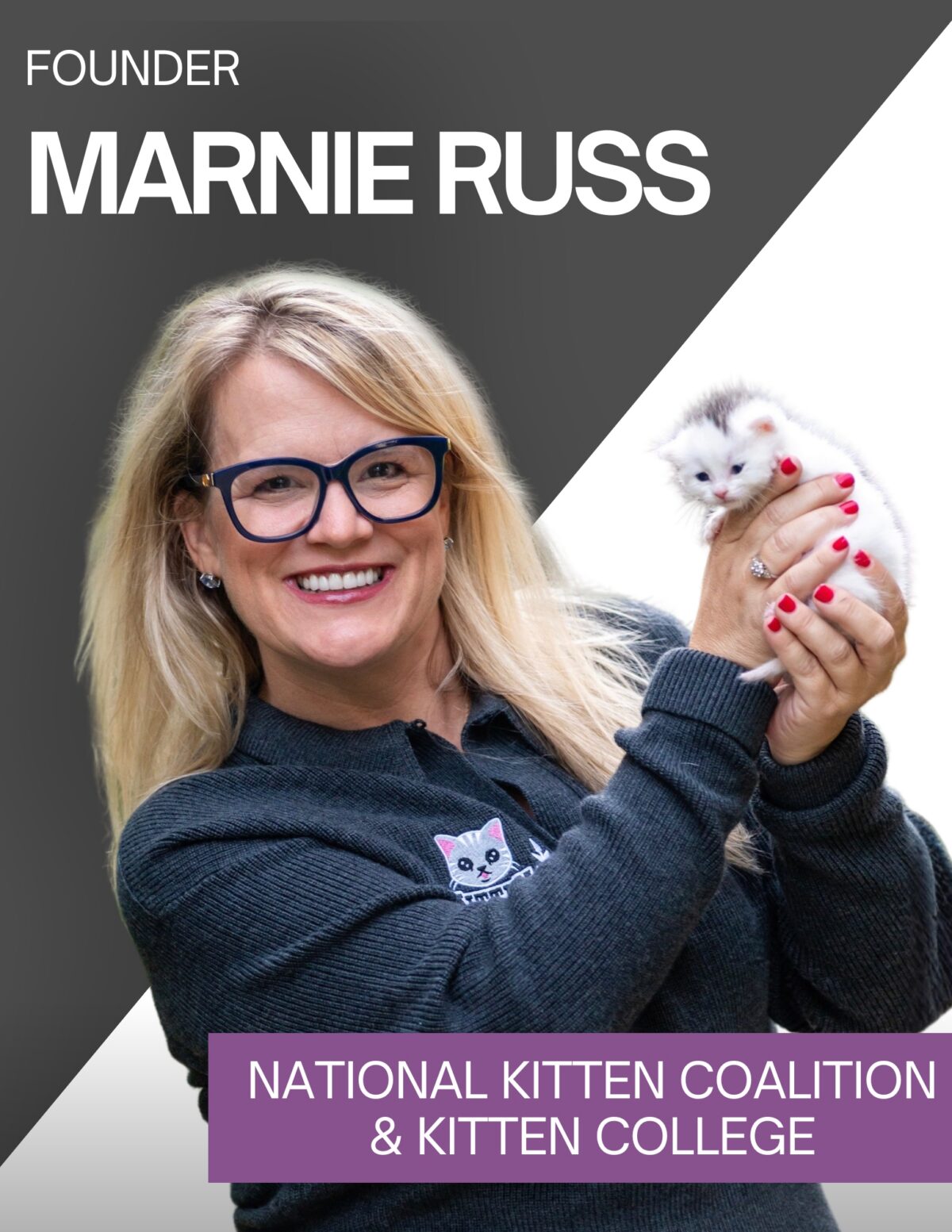
They are tiny, fragile, and often require specialized care that many shelters simply don’t have the resources to provide. But according to Marnie Russ, founder of National Kitten Coalition and Kitten College, the problem isn’t impossible to solve.
In this episode of the Top Dog Podcast, Marnie shares how education, foster flexibility, and modern neonatal kitten protocols are helping shelters and rescues save more lives than ever before.
For organizations, fosters, and Dooberteers, this conversation is a powerful reminder that sometimes the smallest animals can inspire the biggest innovations.
Neonatal Kittens Are the Most Vulnerable Shelter Animals
One of the most shocking realities Marnie discusses is this:
“They are the most euthanized animals in shelters across America.”
Why?
Because neonatal kittens require:
Frequent feeding
Temperature monitoring
Specialized foster care
Around-the-clock attention in some cases
Many shelters simply don’t have the staffing or resources to provide that level of care internally.
But there’s another side to the story:
“They are the most adoptable.”
That’s what makes neonatal kitten rescue so impactful.
Unlike harder-to-place populations, healthy kittens often find homes quickly once they reach adoption age.
A Tiny Kitten Changed Everything
Before animal welfare, Marnie worked as an international aerospace lobbyist in Washington, D.C.
Her path into rescue started with a single orange tabby kitten named Tigger.
“He was the one who changed my life.”
Tigger became more than a pet—he became the connection that shifted her perspective entirely.
Years later, while volunteering at a shelter and fostering kittens herself, Marnie realized there was a major gap in neonatal kitten education and support.
That realization eventually led to the creation of:
National Kitten Coalition
Kitten College
Neonatal foster education systems
National neonatal kitten care guidelines
Foster Care Is the Lifeline for Neonatal Kittens
One of the biggest takeaways from this episode is simple:
Foster homes save neonatal kittens.
And according to Marnie, fostering kittens is often much more manageable than people think.
“When kittens are first born, all they need is a small carrier.”
For many weeks, neonatal kittens:
Sleep most of the time
Take up very little space
Require relatively simple setups
Thrive in quiet home environments
This makes kitten fostering more accessible for:
Apartment dwellers
First-time fosters
Busy households
Families with limited space
Education Removes Fear
One of the biggest barriers to fostering neonatal kittens is fear.
Many people assume:
Bottle babies require impossible schedules
They must be fed every two hours nonstop
Specialized experience is required
But Marnie emphasizes that much of this information is outdated or oversimplified.
“We have made the process of saving them so much harder than it needs to be.”
That’s why Kitten College focuses heavily on:
Simplified education
Updated medical guidance
Foster confidence-building
Accessible resources
The goal is not just to recruit fosters—but to support them.
Flexibility Helps Foster Programs Grow
One of the most innovative aspects of Kitten College is its foster structure.
Instead of treating every foster the same, they categorize experience levels:
Freshman
Sophomore
Junior
Senior
This allows fosters to choose the level of care they’re comfortable with.
For example:
Experienced “senior” fosters may handle bottle babies
New fosters may start with older, easier kittens
This system:
Reduces burnout
Builds confidence gradually
Keeps fosters engaged long-term
Improves kitten outcomes
And perhaps most importantly: It makes fostering feel achievable.
Small Shelters Need Scalable Solutions
One of the reasons Kitten College has grown so quickly is because the program is scalable.
It works for:
Large municipal shelters
Small rural rescues
Foster-based organizations
Individual caregivers
“We still have resources for you. You’re doing the same work.”
That mindset is critical in animal welfare.
Not every organization has:
A large medical team
Dedicated neonatal facilities
Extensive staffing
But education and community support can still dramatically improve outcomes.
Modern Resources Are Changing Foster Support
Marnie also discussed how modern tools are making fostering more accessible than ever.
These include:
Online training materials
Video tutorials
Searchable care libraries
AI-powered support tools
Updated shelter medicine guidelines
Instead of requiring lengthy in-person classes, fosters can now access guidance quickly and conveniently.
That flexibility matters because many people want to help—they just need confidence and support.
Every Foster Saves a Life
One of the most important messages Marnie shares is this:
“A foster that has a kitten has 100% saved the life of that kitten.”
Even when outcomes are difficult, fosters provide:
Warmth
Safety
Nutrition
Compassion
A chance
And for neonatal kittens, sometimes that chance is everything.
What This Means for Dooberteers
If you’ve ever considered fostering kittens, this episode is your reminder that:
You do not need a huge home
You do not need years of experience
You do not need to do it perfectly
You simply need willingness, support, and compassion.
By fostering neonatal kittens, you directly help:
Reduce euthanasia
Expand shelter capacity
Improve kitten survival
Save some of the most vulnerable lives in animal welfare
Listen to the Full Episode
Want to hear the full conversation with Marnie Russ and learn more about neonatal kitten care, foster innovation, and lifesaving education programs?
If you’re passionate about helping animals, join the Doobert community where volunteers, fosters, transporters, and animal organizations work together to save lives every day.
Visit Doobert.com to get involved, volunteer, foster, or transport animals in need.
And don’t forget to subscribe to the Top Dog Podcast on YouTube, Spotify, and Apple Podcasts so you never miss an episode.
Marnie Russ, founder of the National Kitten Coalition and Kitten College, shares how she turned a passion for kittens into a nationwide movement focused on saving the most vulnerable animals in shelters.
After leaving a successful career in lobbying, Marnie dedicated her work to neonatal kittens — the most euthanized, yet most adoptable animals in shelters.
With a background in mathematics, Natalie’s journey into animal welfare began through volunteering — but quickly evolved into a mission to address the root causes of animal issues.
“If I can help pass a law… I can help thousands of animals.”
One of the biggest takeaways from this episode is the importance of thinking beyond direct care. While rescue work is critical, systemic change through legislation and education can prevent suffering at a much larger scale.
Leading With Compassion: Why the Future of Animal Welfare Depends on Community Support, Kindness, and Creating New Leaders
Animal welfare has changed dramatically over the past few decades. Shelters are no longer just places where homeless pets wait for adoption—they’ve become community resource centers, crisis support systems, and hubs for education, veterinary care, and prevention.
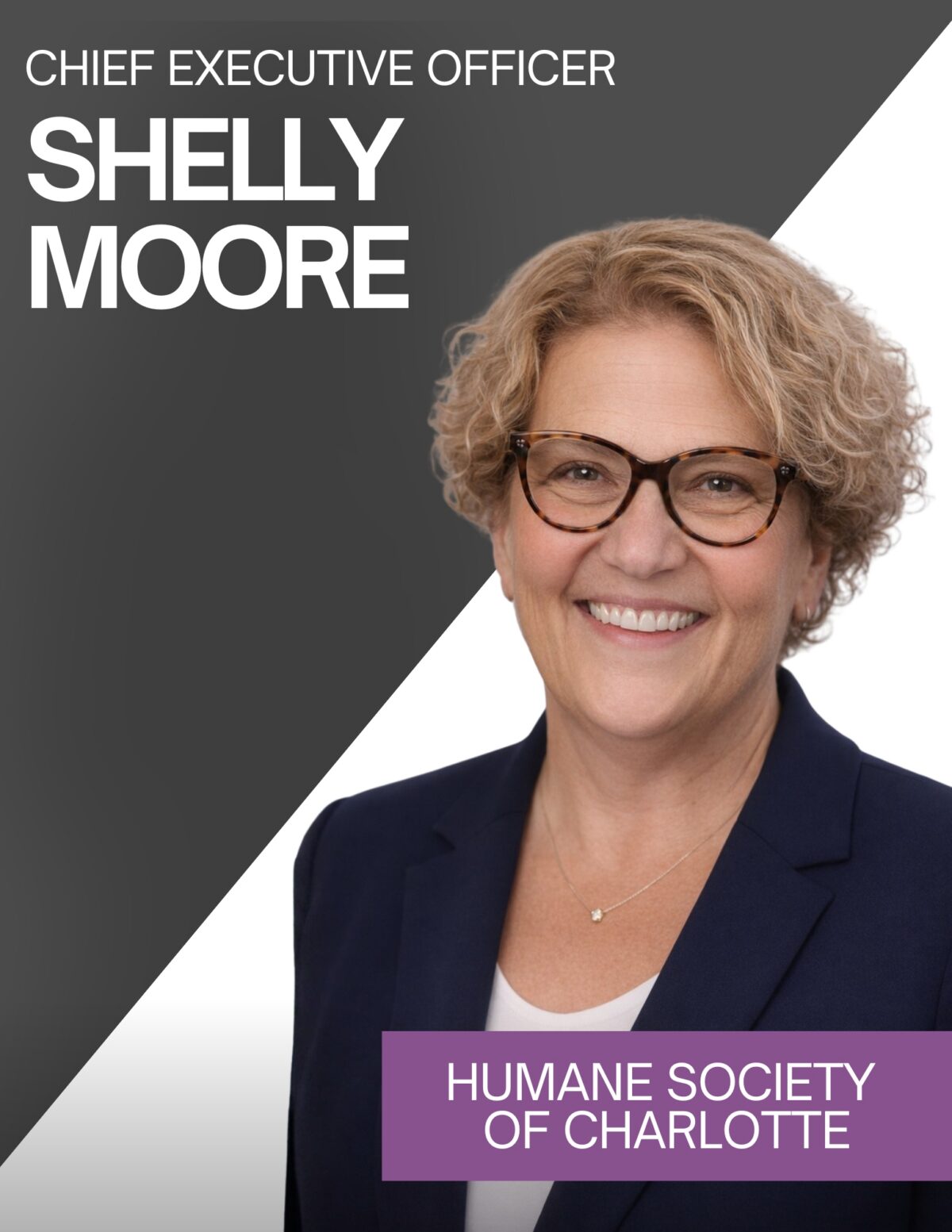
In this episode of the Top Dog Podcast, Shelly Moore, CEO of the Humane Society of Charlotte, shares how modern animal welfare requires more than rescuing animals. It requires compassion for people, investment in future leaders, and a willingness to meet communities where they are.
For organizations, fosters, and Dooberteers, this episode offers valuable insight into how shelters can evolve while still keeping kindness at the center of the mission.
Animal Welfare Has Changed—and So Have Shelters
Shelly has worked in animal welfare for more than 40 years, beginning almost entirely by accident after visiting a shelter with a friend.
At the time, shelters looked very different:
Higher intake numbers
Fewer community resources
Limited preventive programs
Daily euthanasia due to overcrowding
Today, organizations like the Humane Society of Charlotte operate with a completely different mindset.
Instead of focusing only on intake and adoption, their work includes:
Low-cost spay/neuter clinics
Affordable wellness care
Pet retention support
Training and behavior programs
Community outreach
Crisis assistance services
“Our ultimate goal is keeping pets with their people.”
That shift reflects where the industry is headed: Supporting families before surrender becomes necessary.
Building a Community Resource Center—Not Just a Shelter
One of the most interesting parts of Shelly’s story is her approach to facility design.
When Humane Society of Charlotte moved into its new building, the goal wasn’t to create a traditional shelter.
It was to create a welcoming community space.
“We didn’t want to build an animal shelter. We wanted to build a community resource center.”
That decision matters because many people still associate shelters with sadness, guilt, or fear.
A more welcoming environment helps:
Reduce stigma around asking for help
Encourage community involvement
Improve adoption experiences
Build trust with the public
For organizations, this is an important reminder: The environment you create shapes how people engage with your mission.
Social Media and Technology Have Changed Everything
Shelly also shared how technology has transformed animal welfare.
Years ago, shelters often received:
Healthy strays
Easily adoptable pets
Large numbers of puppies and kittens
Today, many of those animals are rehomed directly through:
Facebook groups
Neighborhood apps
Online community networks
That means shelters now care for animals with:
Behavioral challenges
Medical conditions
Higher support needs
At the same time, adopter expectations have changed too.
“People want plug and play.”
Modern adopters often expect pets to transition seamlessly into their homes, which creates new challenges for shelters and foster programs.
This is why education, behavior support, and realistic expectations are more important than ever.
Compassion Must Include People Too
One of the strongest themes throughout the conversation is Shelly’s belief that animal welfare cannot succeed without compassion for people.
Historically, animal welfare could be a judgment-heavy field.
But Shelly believes that approach no longer works.
“We have to meet people where they are.”
That philosophy shapes everything from:
Owner surrender conversations
Crisis support services
Community outreach
Staff culture
For example, if someone cannot afford a pet deposit for housing, the shelter may simply pay it to keep the family together.
Because sometimes, a small amount of support prevents a much larger crisis.
Every Owner Surrender Has a Story
Shelly shared a powerful reminder about owner surrender situations:
“Once they show up at our door, they’ve already grieved.”
Many families surrendering pets are:
Facing housing instability
Experiencing financial hardship
Escaping dangerous situations
Managing medical crises
By the time they ask for help, they’ve often exhausted every other option.
For fosters, volunteers, and organizations, this is an important perspective: Lead with empathy first.
Strong Leadership Means Creating Future Leaders
One of Shelly’s greatest passions is mentorship.
She intentionally spends time with staff members early in their journey to understand:
Their goals
Their interests
Whether they see animal welfare as a career
“I want my legacy to be someone that elevated people to be their best.”
That commitment has already helped many former staff members grow into executive directors and CEOs themselves.
For organizations, leadership development matters because the future of animal welfare depends on:
Skilled managers
Compassionate leaders
Healthy workplace culture
Strong mentorship
Kindness Is a Non-Negotiable
Shelly also made something very clear: Kindness matters.
Her organization does not tolerate:
Judgmental behavior
Poor treatment of the public
Lack of compassion toward clients or coworkers
Because at the end of the day: People who love animals also need support.
“You gotta love them both.”
That mindset is becoming one of the defining shifts in modern animal welfare.
What This Means for Dooberteers
Whether you foster, volunteer, transport, or support shelters, you are part of building more compassionate communities.
You help by:
Supporting families during difficult moments
Creating safe spaces for animals
Educating adopters
Reducing judgment and increasing understanding
Sometimes the most impactful thing you can offer is kindness.
Listen to the Full Episode
Want to hear the full conversation with Shelly Moore and learn more about compassionate leadership, community support programs, and the future of animal welfare?
If you’re passionate about helping animals, join the Doobert community where volunteers, fosters, transporters, and animal organizations work together to save lives every day.
Visit Doobert.com to get involved, volunteer, foster, or transport animals in need.
And don’t forget to subscribe to the Top Dog Podcast on YouTube, Spotify, and Apple Podcasts so you never miss an episode.
Saving More Lives by Rethinking the System: What Animal Welfare Can Learn From Innovation, Efficiency, and Compassion
IFor decades, animal welfare organizations focused primarily on rescue and adoption. But today, many of the most impactful leaders in the industry are asking a different question:
How do we prevent animals from entering shelters in the first place?
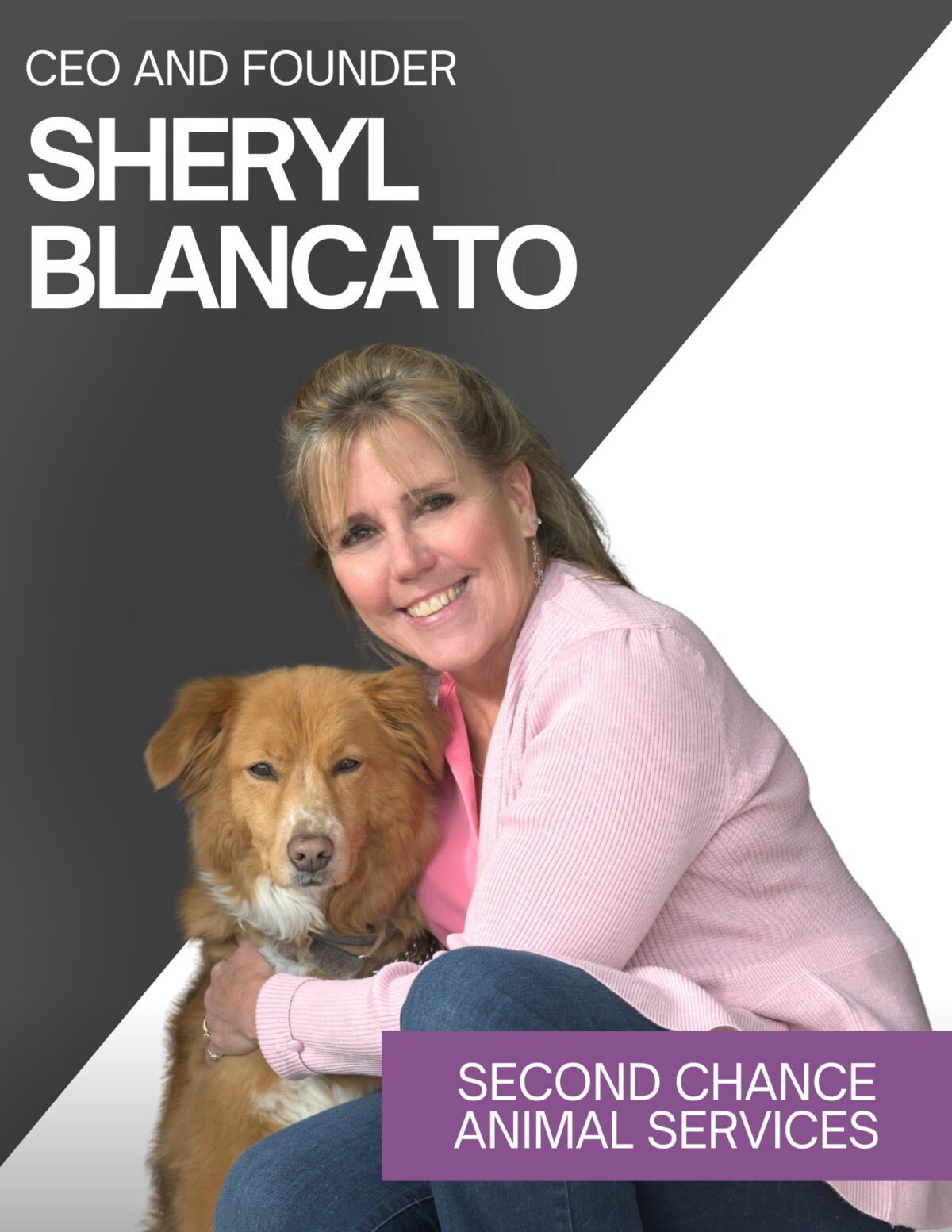
In this episode of the Top Dog Podcast, Sheryl Blancato of Second Chance Animal Services shares how rethinking traditional shelter models—and focusing on community care, affordable veterinary access, and operational efficiency—has helped her organization impact over 64,000 animals every year.
For organizations, fosters, and Dooberteers, this episode is a powerful reminder that innovation and compassion can work hand in hand.
You Can’t Build a Shelter Big Enough
When Sheryl started Second Chance Animal Services in 1999, the organization began as a small adoption center.
But over time, she realized something important:
“You can never build a shelter big enough for all the animals in need.”
That realization changed everything.
Instead of focusing only on intake and adoption, Second Chance shifted toward:
Affordable veterinary care
Vaccine clinics
Spay/neuter programs
Food assistance programs
Emergency support services
Community outreach initiatives
Today, their impact extends far beyond shelter walls.
And that’s the future many organizations are moving toward: Helping animals before they become shelter statistics.
Access to Veterinary Care Changes Everything
One of the biggest reasons pets enter shelters is simple: People cannot afford veterinary care.
Second Chance tackled that problem directly by building affordable-access veterinary hospitals and mobile services that reach underserved communities.
Their programs now include:
Four veterinary hospitals
Two mobile veterinary units
Vaccine clinics
Homebound care for elderly and disabled pet owners
Emergency financial assistance
For Dooberteers and organizations, this reinforces a growing truth in animal welfare:
Access to care is lifesaving work.
Keeping Pets in Homes Is More Effective Than Rehoming Them
One of the strongest themes throughout the episode is the importance of pet retention.
“Why should we take an animal out of a loving home to try to find it another loving home?”
That perspective reflects a major industry shift.
Instead of automatically accepting surrender, organizations are increasingly helping families overcome temporary obstacles through:
Medical support
Pet food assistance
Foster alternatives
Financial aid
Behavioral resources
This approach:
Reduces shelter overcrowding
Decreases stress on animals
Keeps families together
Saves resources long term
For fosters and volunteers, it’s a reminder that supporting people is often part of saving animals too.
Compassion Includes the Humans
Second Chance operates programs specifically designed to support vulnerable people and their pets.
These include:
Holding pets for veterans receiving inpatient treatment
Temporary care for pets of domestic violence survivors
Pet food distribution through local food pantries
These services recognize something many shelters now understand:
Human crises and animal crises are deeply connected.
When people lose housing, face illness, or escape dangerous situations, pets are often at risk too.
Providing temporary support can prevent permanent surrender.
Efficiency Saves More Lives
One of the most unique parts of Sheryl’s leadership approach is her use of Lean Six Sigma practices, a system focused on reducing waste and improving operational efficiency.
While this may sound corporate, the goal is simple: Use every donor dollar as effectively as possible.
“People focus on money coming in, but forget about what’s going out.”
For organizations, this means:
Streamlining operations
Eliminating unnecessary costs
Improving workflow
Expanding impact without unnecessary expansion
Efficiency may not sound emotional—but it directly affects how many animals can be helped.
Leadership Means Making Hard Decisions
One of the most practical lessons Sheryl shared is that leaders must sometimes make difficult decisions, even when they are unpopular.
“You have to be the speedboat that can turn on a dime.”
Animal welfare changes quickly:
Community needs evolve
Costs rise
Programs shift
Emergencies happen
Strong organizations adapt instead of staying stuck in outdated systems.
For rescue leaders, this means:
Being open to change
Accepting when something is no longer working
Refocusing resources when necessary
Prioritizing sustainability over emotion alone
Because as Sheryl points out: You cannot help anyone if the organization fails.
The Community Wants to Help
One of the most touching moments in the episode involved strangers helping fund a lifesaving surgery for someone they didn’t know.
A man traveled from another state after being quoted thousands of dollars for emergency surgery for his puppy. While trying to piece together payment options, another client quietly stepped forward and covered most of the remaining cost.
“People are getting it now.”
That story highlights something powerful: Communities often want to help—they just need opportunities to do so.
For Dooberteers, this is exactly why community-driven animal welfare matters.
Innovation Starts Small
One of the most encouraging parts of Sheryl’s story is how humble the beginning was.
Second Chance started:
In her dining room
With foster animals in her home
Through one person simply trying to help
Today, it impacts tens of thousands of animals annually.
That’s an important reminder for every volunteer, foster, and organization: Big impact often starts very small.
Listen to the Full Episode
Want to hear the full conversation with Sheryl Blancato and learn more about affordable veterinary care, prevention programs, and innovative shelter leadership?
If you’re passionate about helping animals, join the Doobert community where volunteers, fosters, transporters, and animal organizations work together to save lives every day.
Visit Doobert.com to get involved, volunteer, foster, or transport animals in need.
And don’t forget to subscribe to the Top Dog Podcast on YouTube, Spotify, and Apple Podcasts so you never miss an episode.
Shelly Moore, CEO of the Humane Society of Charlotte, shares insights from over 40 years in animal welfare — and how the industry has evolved from shelter-focused care to community-centered solutions.
What started as a simple visit to a shelter turned into a lifelong career dedicated to helping animals and the people who care for them.
Starting as an animal control officer, Sheryl quickly realized that traditional sheltering alone could never keep up with the need.
“You can never build a shelter big enough.”
That realization led to a new approach — focusing on accessible veterinary care, community programs, and keeping pets in their homes rather than bringing them into shelters.
Building Trust Saves Lives: Why the Future of Animal Welfare Depends on Community, Compassion, and Saying “Yes”
Animal shelters are often seen as places where animals go when something goes wrong. But today’s most impactful organizations are redefining what shelters can be: community resources, support systems, and bridges between people and pets.
In this episode of the Top Dog Podcast, Jakie Hernández of the Nebraska Humane Society shares why the future of animal welfare depends on breaking down barriers, building trust, and meeting people where they are—sometimes literally in their own language.
For organizations, fosters, and Dooberteers, this conversation is a powerful reminder that saving lives starts with connection.
Every Community Is Different—And That Matters
Before joining the Nebraska Humane Society, Jakie worked with communities all across the United States through Best Friends Animal Society’s National Embed Team.
That experience taught her one important lesson:
“Every community is so different.”
What works in one city may not work in another.
Some communities need:
More foster outreach
Better language accessibility
Affordable veterinary support
Stronger transportation networks
Trust-building with underserved groups
And sometimes the biggest issue isn’t lack of support—it’s lack of communication.
“We weren’t reaching them literally in their own language.”
For organizations, this is a critical takeaway: If people don’t feel included, they may never realize help exists.
One Adoption Changed Everything
Jakie’s journey into animal welfare started with a dog named Douglas.
At 18 years old, she technically looked like the “wrong” adopter on paper:
No stable income
Living with parents
No long-term history as a pet owner
And the dog she wanted to adopt had significant medical needs.
Most shelters would have said no.
But someone gave her a chance.
“I don’t think I would be the person I am today if I had accepted that no.”
That one act of compassion sparked a 20-year career helping animals and communities across the country.
It’s also a reminder that: Applications don’t always tell the full story.
The Industry Is Shifting From Judgment to Support
One of the strongest themes in this episode is how animal welfare has evolved.
Years ago, many shelters focused mainly on intake and adoption. Today, more organizations are asking:
How can we help pets stay in homes instead?
That shift changes everything.
Instead of simply accepting a surrender, shelters can now offer:
Food assistance
Medical support
Behavior resources
Training guidance
Emergency funding
Foster alternatives
“We want you to keep your animal. What can we do to help you?”
For Dooberteers and shelters alike, this is the future of animal welfare: Prevention, retention, and partnership.
Good Work vs. Impactful Work
One of the most powerful moments in the conversation came when Jakie reflected on advice from a mentor:
“We’re doing good work, but how can we make impactful work?”
That question challenges organizations to think beyond daily operations.
Impactful work means:
Solving root causes
Preventing surrender before it happens
Building long-term trust
Creating systems that reduce future crisis
For example: Instead of simply accepting returned puppies, shelters can offer:
Free training support
Behavioral guidance
Realistic expectation counseling
Ongoing adoption resources
Sometimes one conversation can save a placement—and a life.
Foster and Dog Day Out Programs Create New Opportunities
Nebraska Humane Society’s “Parks and Rec” program is a perfect example of innovation in action.
Instead of requiring full adoption commitments, community members can:
Take dogs on outings
Host short-term sleepovers
Participate in multi-day staycations
These programs:
Reduce shelter stress
Provide valuable behavior insights
Increase visibility for dogs
Help potential adopters test compatibility
And the impact goes beyond the animals.
One participant later shared that spending time with a shelter dog during a difficult mental health moment changed the course of their life.
“You never know what another individual might be going through.”
That’s the power of human-animal connection.
Assume Positive Intent
One of the biggest leadership lessons Jakie shared is simple—but transformative:
“Assume positive intent.”
People surrendering animals may be:
Overwhelmed
Financially struggling
Emotionally exhausted
Facing housing instability
Trying everything they can before asking for help
Meeting them with judgment closes doors.
Meeting them with compassion creates solutions.
For organizations, this mindset helps:
Build stronger community relationships
Reduce conflict
Increase trust
Improve outcomes for pets and people alike
Animal Welfare and Human Welfare Are Connected
Jakie also discussed how shelters are increasingly recognizing the overlap between animal welfare and social services.
Nebraska Humane Society is even exploring having an on-site social worker to better support:
Community members
Staff wellbeing
Crisis intervention
Emotional support services
This reflects an important industry shift: Helping animals often means helping people too.
What This Means for Dooberteers
Whether you foster, volunteer, transport, or advocate, you are helping build the bridge between shelters and communities.
You help by:
Creating safe spaces for animals
Supporting overwhelmed pet owners
Connecting underserved communities to resources
Showing compassion during difficult moments
Sometimes the most impactful thing you can do is simply say: “How can I help?”
Listen to the Full Episode
Want to hear the full conversation with Jakie Hernández and learn more about trust-building, community engagement, and the future of animal welfare?
If you’re passionate about helping animals, join the Doobert community where volunteers, fosters, transporters, and animal organizations work together to save lives every day.
Visit Doobert.com to get involved, volunteer, foster, or transport animals in need.
And don’t forget to subscribe to the Top Dog Podcast on YouTube, Spotify, and Apple Podcasts so you never miss an episode.