Saving More Lives Starts Before the Shelter: How Prevention Programs Are Transforming Animal Welfare
In animal welfare, adoption is often seen as the finish line. But for many organizations today, the real work starts much earlier—before a pet is surrendered, before an accidental litter happens, and before a shelter reaches capacity.
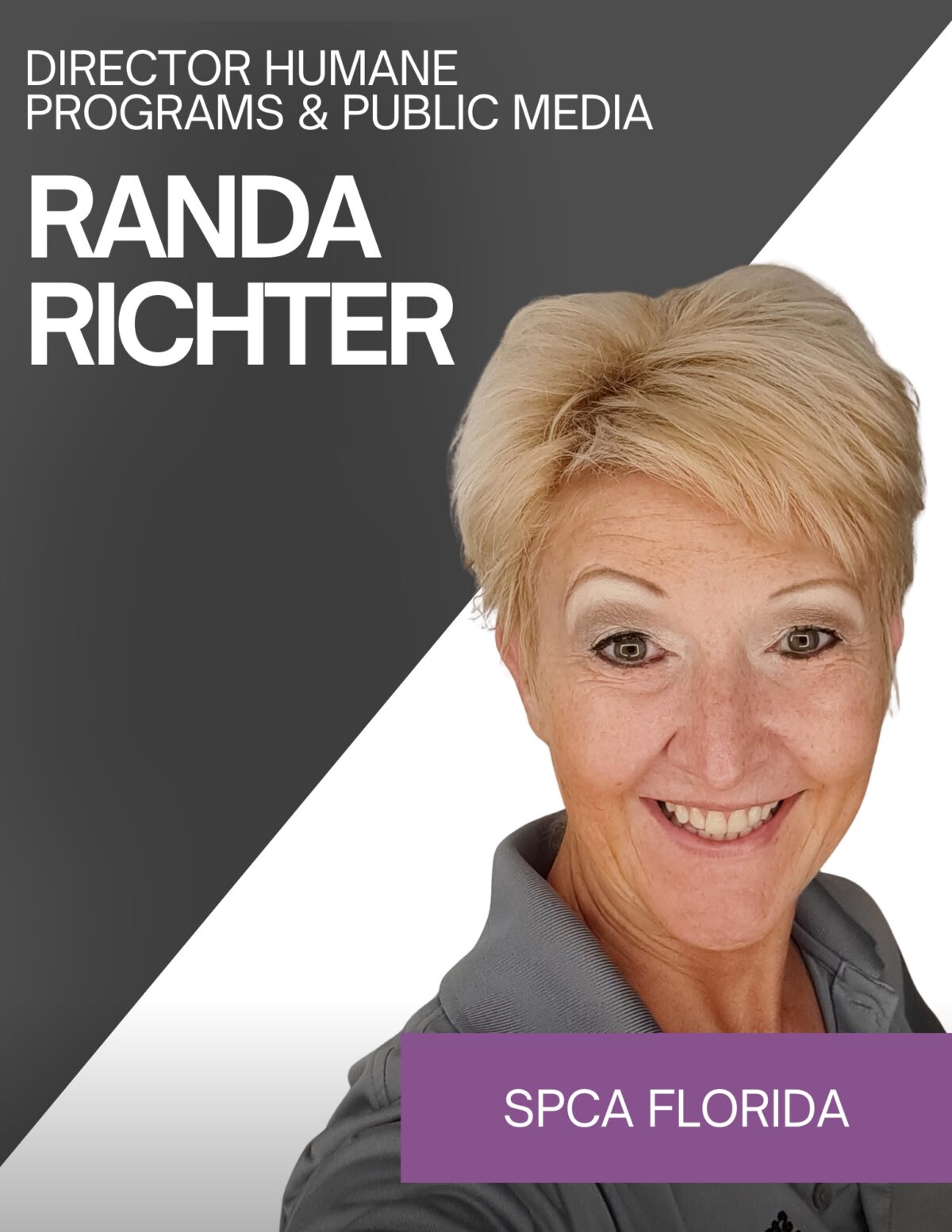
In this episode of the Top Dog Podcast, Randa Richter of SPCA Florida shares how prevention-focused programs, foster support, and community outreach are helping thousands of animals stay safe while reducing pressure on shelters.
For organizations, fosters, and Dooberteers, this episode is a powerful example of how modern animal welfare is evolving from reactive rescue to proactive community support.
From Corporate Career to Community Impact
Like many leaders in animal welfare, Randa didn’t originally plan to work in nonprofit rescue.
After years in the corporate world, she realized she wanted something more meaningful.
“I felt the need to make a difference and have an impact.”
That desire led her to volunteer at SPCA Florida—an experience that completely changed her career path.
Fifteen years later, she now oversees multiple programs including:
Foster operations
Volunteer management
Community outreach
Transport partnerships
Spay/neuter initiatives
Public media and education
Her story is an important reminder: Many people in animal welfare begin simply by volunteering.
Community Support Prevents Shelter Intake
One of the strongest themes in this episode is that shelters cannot solve overpopulation through adoptions alone.
To truly reduce intake, organizations must support the people and pets already in the community.
That’s why SPCA Florida operates programs like:
Pet Food Assistance
Their food support program provides around 50,000 pounds of pet food annually to families struggling financially.
This helps:
Keep pets in loving homes
Prevent unnecessary surrender
Reduce shelter overcrowding
Support vulnerable families
“We get enough animals through our doors. We don’t need yours.”
That perspective reflects a major shift happening across animal welfare today: keeping pets with families whenever possible.
Prevention Works Better Than Crisis Response
Randa shared one of the shelter’s most impactful initiatives: Mom’s Last Litter.
The program helps pet owners who cannot afford spay/neuter by:
Spaying and neutering the parent animals
Vaccinating them
Taking in the litter for foster care and adoption
The response was overwhelming.
“We had around 80 to 100 kittens that day.”
Programs like this address the root problem instead of only reacting after overpopulation grows worse.
For organizations, this is a critical takeaway: Accessible prevention programs save more lives long term than rescue alone.
Foster Homes Expand Capacity and Improve Outcomes
SPCA Florida places approximately 2,000 animals per year into foster care, most of them kittens and puppies.
Fosters provide:
Safe environments for neonatal animals
Recovery space for medical cases
Reduced stress compared to shelter housing
Better socialization and development
And as Randa explains, fostering is often simpler than people expect.
The shelter provides:
Supplies
Food
Medical care
Fosters provide:
Temporary space
Basic care
Compassion
“The more foster parents we can have, the more foster animals we can save.”
For Dooberteers, fostering remains one of the most direct ways to increase lifesaving capacity.
Innovation Requires Flexibility
One of the most refreshing parts of this conversation is Randa’s openness to experimentation.
Instead of rejecting new ideas with:
“We already tried that”
“That won’t work here”
Her team asks:
“What can it hurt? Let’s give it a shot.”
That mindset led to creative programs like:
Doggy day outings
Overnight foster trials for adopters
Shelter dog exchanges between organizations
These programs:
Reduce kennel stress
Improve adoption matching
Increase visibility for harder-to-place animals
For shelters and rescues, flexibility often creates breakthrough solutions.
Compassion Fatigue Is Real—But So Are the Wins
Animal welfare is emotionally demanding work. Randa openly discussed the emotional highs and lows her team experiences daily.
The difficult moments are balanced by victories:
Critically ill kittens surviving
Medical recoveries
Successful foster placements
Families staying together
“It’s those wins we take to make us realize why we do what we do.”
For organizations, celebrating progress matters. Without those reminders, burnout can quickly take hold.
Leadership Means Never Giving Up
One of the most meaningful moments in the episode came when Randa described a transport mistake that unexpectedly brought them a mother dog needing urgent care.
Instead of viewing the situation as a burden, the team embraced it.
“She is the best mistake we’ve ever made.”
That story reflects one of the biggest leadership lessons in rescue: Plans change. Challenges happen. Compassion stays constant.
What This Means for Dooberteers
Whether you foster, volunteer, transport, donate, or advocate, your role directly supports prevention and lifesaving efforts.
You help:
Expand shelter capacity
Support community programs
Prevent unnecessary surrender
Create better outcomes for animals
Animal welfare works best when communities work together.
Listen to the Full Episode
Want to hear the full conversation with Randa Richter and learn more about prevention programs, fostering, and innovative shelter strategies?
If you’re passionate about helping animals, join the Doobert community where volunteers, fosters, transporters, and animal organizations work together to save lives every day.
Visit Doobert.com to get involved, volunteer, foster, or transport animals in need.
And don’t forget to subscribe to the Top Dog Podcast on YouTube, Spotify, and Apple Podcasts so you never miss an episode.
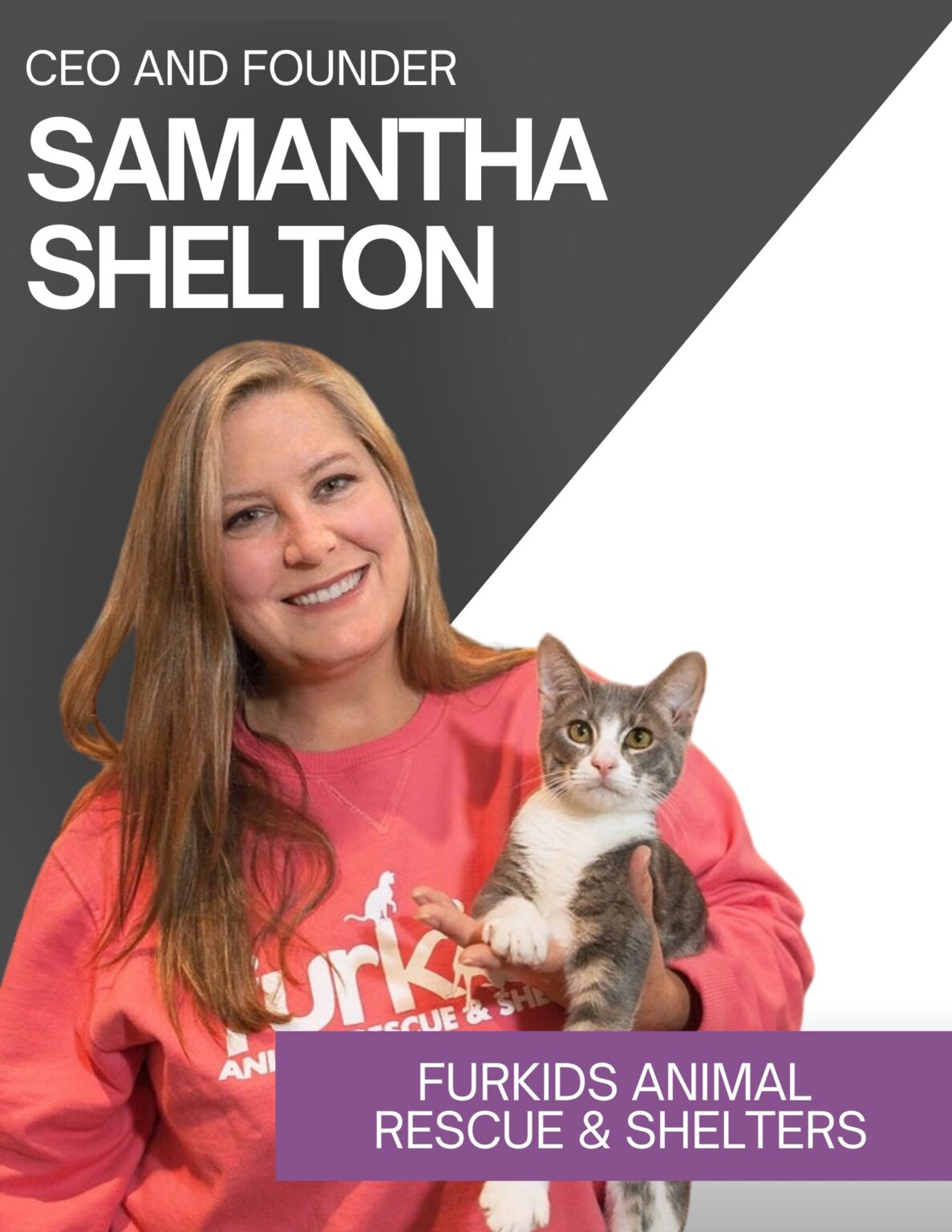
With a background in corporate leadership, Sam built Furkids with a business mindset — focusing on sustainability, growth, and long-term impact for both animals and the community.
One of the biggest takeaways from this episode is the importance of treating animal welfare like a business while staying grounded in compassion and purpose.
From Rescue to Prevention: How Community Programs Are Keeping Pets Out of Shelters and Saving More Lives
In animal welfare, saving lives doesn’t always start inside a shelter—it often starts in the community.
In this episode of the Top Dog Podcast, Randa Richter of SPCA Florida shares how shifting focus from rescue alone to community support, prevention, and creative programs is helping more animals stay in homes—and out of shelters.
For organizations, fosters, and Dooberteers, this episode is packed with real-world strategies that prove one thing: when you support people, you save more animals.
When Purpose Becomes the Priority
Randa didn’t begin her career in animal welfare. Like many professionals, she started in the corporate world—but something was missing.
“I felt the need to make a difference… and corporate USA was not doing it.”
That realization led her to volunteer at SPCA Florida—a decision that would change her life and career path.
Fifteen years later, she now leads multiple programs impacting thousands of animals every year.
For Dooberteers, this is a powerful reminder: You don’t need to start in animal welfare—you just need to start somewhere.
Supporting the Community Means Saving More Animals
SPCA Florida operates in a large, rural county where access to resources can be limited. This creates unique challenges:
Animals roaming freely and reproducing
Limited access to spay/neuter services
Financial barriers for pet owners
Lack of education in some areas
Instead of focusing only on intake and adoption, the organization built programs to address the root causes.
One standout example:
Food Assistance That Keeps Families Together
Their pet food assistance program helps feed thousands of animals every year—over 50,000 pounds of food annually.
Why does this matter?
Because one of the top reasons pets are surrendered is lack of resources.
By helping families feed their pets, shelters can:
Prevent unnecessary surrenders
Reduce intake
Keep pets where they belong
“We get enough animals through our doors. We don’t need yours.”
That mindset is a game-changer.
Prevention in Action: “Mom’s Last Litter”
One of the most impactful programs Randa shared is called “Mom’s Last Litter.”
It’s simple—but incredibly effective.
Owners bring in a mother, a father (if known), and their litter
The parents are spayed/neutered at a low cost
The shelter takes in the puppies or kittens for adoption
The result?
No more accidental litters
Immediate population control
Better outcomes for the offspring
“We had 80 to 100 kittens in one day.”
Programs like this show how creative thinking + accessibility = real impact.
Innovation Comes From Trying New Ideas
One of the most refreshing parts of this conversation is Randa’s openness to experimentation.
“What can it hurt? Let’s give it a shot.”
In animal welfare, it’s easy to fall into the trap of:
“We’ve always done it this way”
“We tried that before”
But progress often comes from trying again—with new timing, new messaging, or new execution.
For organizations, this is a critical mindset: Innovation doesn’t require perfection—it requires willingness.
Foster Programs Are the Lifeline
SPCA Florida supports around 2,000 animals per year through foster care—most of them kittens and puppies.
And like every organization, they need more help.
“The more foster parents we can have, the more animals we can save.”
Fostering:
Expands shelter capacity
Improves animal health and development
Reduces stress and disease
Increases adoption success
For Dooberteers, this is your impact in action.
And as Randa points out—it’s often easier than people think.
The shelter provides:
Food
Supplies
Medical care
All you provide is:
Time
Space
Compassion
It’s Not Just About Saving Animals—It’s About Supporting People
One of the biggest themes in this episode is that animal welfare and human welfare are deeply connected.
Many people who struggle with pet care:
Love their animals deeply
Want to do the right thing
Just lack the resources
By offering:
Food assistance
Low-cost veterinary care
Spay/neuter programs
Community outreach
Organizations can solve problems before they become emergencies.
Leadership in Animal Welfare: Never Give Up
When asked about leadership, Randa shared a simple but powerful lesson:
“Never give up.”
Whether it’s:
A critical medical case
A struggling program
A challenging community situation
Persistence is what drives change.
And sometimes, the unexpected moments—like an unplanned intake that turns into a success story—become the most meaningful wins.
What This Means for Dooberteers
Randa’s story reinforces a few key truths:
You don’t need to start in this field to make an impact
Prevention is just as important as rescue
Fostering is one of the most powerful ways to help
Supporting people helps animals
Every action—big or small—contributes to a larger system of care.
Listen to the Full Episode
Want to hear Randa Richter’s full story and learn more about community programs, fostering, and prevention strategies?
If you’re passionate about helping animals, join the Doobert community where volunteers, fosters, transporters, and animal organizations work together to save lives every day.
Visit Doobert.com to get involved, volunteer, foster, or transport animals in need.
And don’t forget to subscribe to the Top Dog Podcast on YouTube, Spotify, and Apple Podcasts so you never miss an episode.
It’s Never Too Late to Make an Impact: How Purpose, Community, and Creativity Are Shaping the Future of Animal Welfare
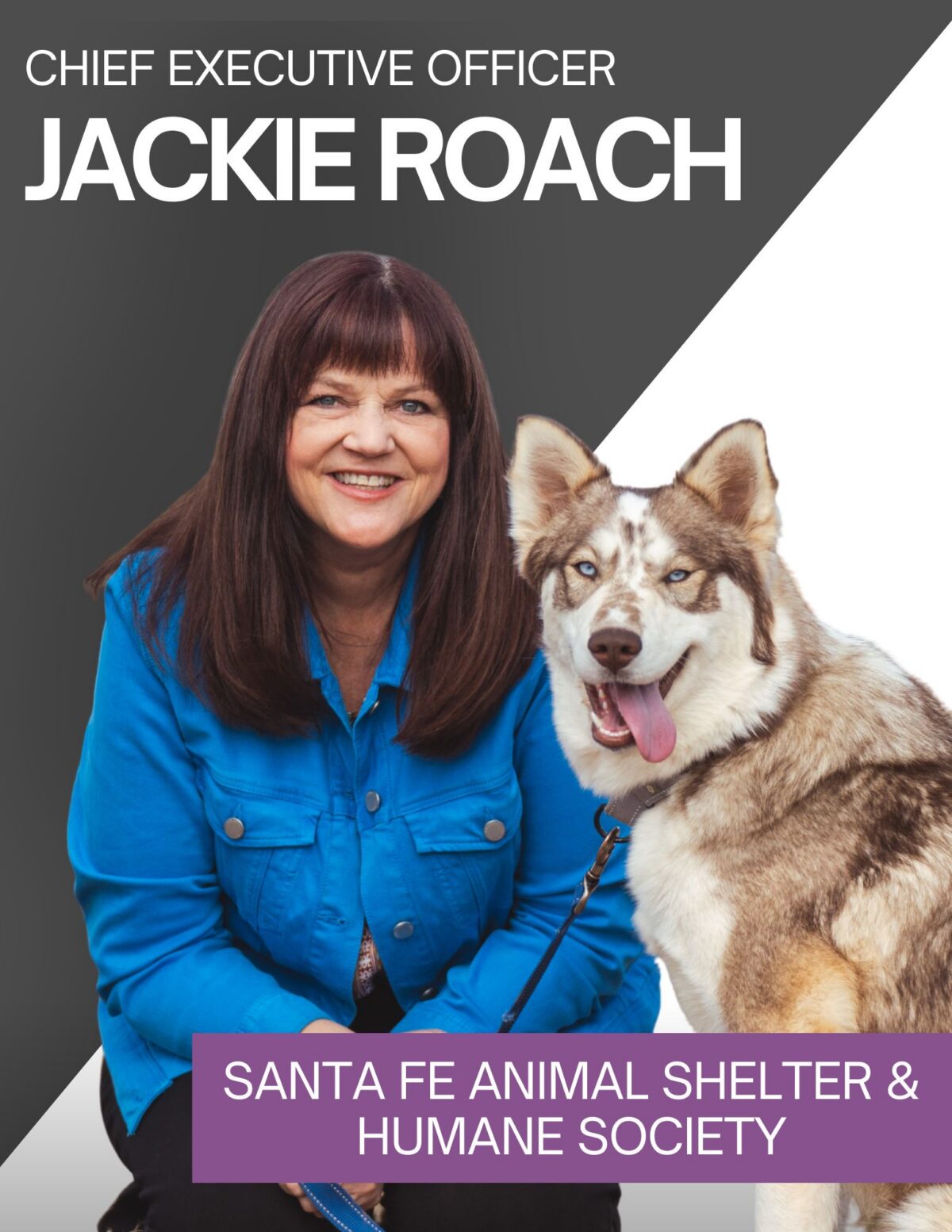
In animal welfare, many people assume that those leading the charge have always been in the field. But Jackie Roach’s story proves something different—sometimes, your most meaningful work begins later in life.
In this episode of the Top Dog Podcast, Jackie Roach, CEO of the Santa Fe Animal Shelter & Humane Society, shares how a simple volunteer experience led to a complete career transformation—and how that perspective now shapes her leadership, community programs, and vision for the future.
For organizations, fosters, and Dooberteers, this episode is a powerful reminder: it’s never too late to make a difference—and sometimes, fresh perspectives are exactly what the industry needs.
You Don’t Know What You Don’t Know
Jackie didn’t grow up in animal welfare. In fact, she spent over 30 years in the retail and corporate world—and even admitted she was once afraid of dogs.
Everything changed when she started volunteering at a shelter.
“I had no concept of animal shelters… I didn’t even know what was involved.”
That experience opened her eyes not just to the animals—but to the entire system behind them.
For organizations, this is a crucial insight: Many people in your community want to help—but they simply don’t understand how.
That’s where education, outreach, and welcoming environments matter.
One Animal Can Change Everything
Like many in this field, Jackie’s turning point came from a single dog.
She adopted a dog who wasn’t expected to survive—and instead, that dog lived for years and changed the course of her life.
That experience led her to start a breed-specific rescue, saving over 2,500 dogs.
It’s a familiar story in animal welfare: One connection becomes a mission.
For fosters, this hits home. Every foster experience has the potential to create lifelong advocates.
The Experience Matters—For People and Animals
One of Jackie’s earliest observations in shelter work wasn’t about the animals—it was about the people.
She noticed that adopters, who were excited and hopeful, often had poor experiences at the shelter.
“This should be a life-changing moment… but it felt like going to the DMV.”
That realization shaped her approach to leadership.
Animal welfare isn’t just about saving animals—it’s about:
Creating positive human experiences
Building relationships with adopters
Turning visitors into lifelong supporters
For organizations, this is huge: Every interaction is an opportunity to grow your community.
From Scarcity to a Winning Mindset
When Jackie stepped into her CEO role, the organization faced serious challenges:
Financial strain
Deferred infrastructure needs
Staff burnout
Low morale
Her biggest realization?
“We can’t operate from a place of scarcity.”
Instead of focusing only on limitations, she shifted toward a “winning mindset”:
Try new ideas
Learn from failures
Build forward momentum
Focus on what’s possible
For shelters and rescues, this mindset shift can be transformational.
Celebrating Wins (Because They Happen Every Day)
Animal welfare can be emotionally heavy. It’s easy to focus on what didn’t go right.
But Jackie emphasizes something simple and powerful:
“Good things happen here every day.”
By intentionally celebrating wins, organizations can:
Boost team morale
Reduce burnout
Reinforce purpose
Keep teams motivated
For Dooberteers, this is a reminder to celebrate your impact too—every transport, every foster, every saved life matters.
Community Programs Are the Future
Jackie’s work in Santa Fe highlights the importance of community-based solutions.
Some of their programs include:
Pet food assistance
Foster care for medical and neonatal animals
Community wellness and vaccination efforts
Partnerships with local organizations
Innovative programs like “Dog Day Out”
She also emphasizes something critical:
We cannot adopt our way out of overpopulation.
That means focusing on:
Prevention
Retention
Access to care
Community engagement
For organizations, this is the shift happening across the industry.
Creative Ideas Can Drive Big Impact
One of the most exciting parts of the episode is Jackie’s creativity—especially her idea to expand programs for tourists.
Imagine this: Visitors come to Santa Fe, check out a shelter dog, and explore the city together.
This kind of thinking:
Enriches animals’ lives
Engages new audiences
Creates unique donor opportunities
Builds community connections
For Dooberteers and orgs, this is your reminder: Innovation doesn’t always require huge budgets—just new ways of thinking.
Leadership Starts With Listening
When asked about leadership, Jackie shared a simple but powerful lesson:
“Listen first… and then listen again.”
Great leadership in animal welfare isn’t about having all the answers. It’s about:
Understanding your team
Listening to your community
Adapting based on real needs
Creating space for others to contribute
What This Means for Dooberteers
Jackie’s journey shows that:
You don’t need a perfect background to start helping
One experience can change your path
Every role—volunteer, foster, supporter—matters
Whether you’re just starting or already deeply involved, your role is part of something bigger.
Listen to the Full Episode
Want to hear Jackie Roach’s full story and learn more about leadership, community programs, and building a stronger future for animal welfare?
If you’re passionate about helping animals, join the Doobert community where volunteers, fosters, transporters, and animal organizations work together to save lives every day.
Visit Doobert.com to get involved, volunteer, foster, or transport animals in need.
And don’t forget to subscribe to the Top Dog Podcast on YouTube, Spotify, and Apple Podcasts so you never miss an episode.
After starting as a volunteer, Randa made a life-changing decision to leave her corporate career and fully commit to helping animals.
“I felt the need to make a difference.”
Today, she leads multiple programs focused on prevention, outreach, and community support, helping thousands of animals each year while addressing the root causes of overpopulatio
Compassion Without Judgment: How Animal Shelters Can Keep More Pets and People Together
In Animal welfare is often seen through one lens: rescuing homeless pets and finding them new homes. But today’s most effective organizations know that saving lives starts much earlier—before surrender, before crisis, and before families are forced to say goodbye.
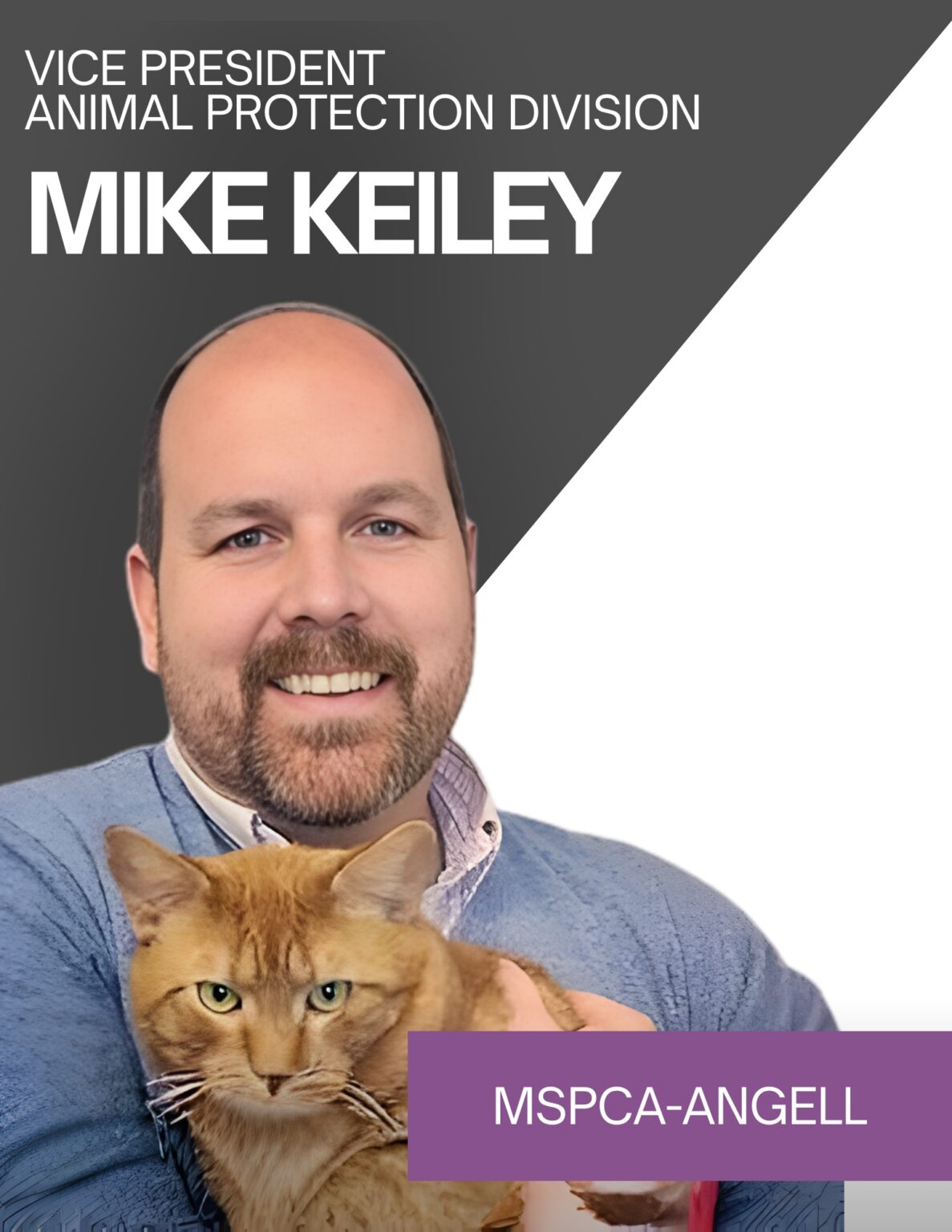
In this episode of the Top Dog Podcast, Mike Keiley of the MSPCA shares how shelters can create deeper impact through compassion, collaboration, and community support systems. His message is clear: success in animal welfare is not about one organization winning—it’s about everyone succeeding together.
For organizations, fosters, and Dooberteers, this episode offers practical lessons on modern shelter leadership and how to keep more pets where they belong: with the people who love them.
Modern Animal Welfare Is Bigger Than Adoptions
The MSPCA supports animals through multiple shelter locations, community clinics, outreach programs, law enforcement, advocacy, relocation, and urgent medical assistance.
That broad approach reflects how animal welfare has evolved.
Today’s shelters are not just adoption centers. They are also:
Crisis support hubs
Affordable veterinary access points
Pet food assistance providers
Community educators
Safety nets for families in hardship
Partners to other rescues and shelters
This matters because many pets entering shelters are not unwanted—they are caught in larger human challenges.
Surrender Is a Service, Not a Failure
One of the most powerful ideas Mike shared is that owner surrender should be treated as a compassionate service, not a moral failure.
Families may surrender pets because of:
Housing restrictions
Medical costs
Job loss
Family crisis
Domestic instability
Personal health emergencies
“Surrender is a service that we provide.”
That mindset changes everything.
Instead of judgment, organizations can offer:
Respectful conversations
Resource referrals
Temporary support when possible
Kind intake experiences when surrender is necessary
For Dooberteers and shelter teams, this is a reminder that empathy helps both animals and people.
Pet-Inclusive Housing Saves Lives
One of the largest threats to pet retention today is housing.
Many families are forced to choose between keeping their pet and securing a place to live. That is why pet-inclusive housing is becoming one of the most important issues in animal welfare.
When communities expand pet-friendly housing:
Shelter intake can decrease
Families stay together
Fewer pets are rehomed due to moving
Stress on local rescues is reduced
For organizations, advocacy can be just as lifesaving as adoptions.
Financial Help Can Prevent Heartbreaking Choices
The MSPCA also created pathways for urgent veterinary treatment when families cannot afford emergency care.
Without support, people may face devastating choices such as:
Surrendering a pet for treatment
Delaying necessary care
Humane euthanasia due to cost
By offering affordable surgeries and medical intervention, shelters can preserve families and prevent unnecessary loss.
This is one of the strongest examples of proactive animal welfare: solving the problem before the pet enters the shelter system.
Collaboration Beats Competition
Mike emphasized something many leaders need to hear:
Success is not about one organization having success—it’s about all of us having success.
Animal welfare works best when groups collaborate through:
Transfers and relocation support
Shared spay/neuter resources
Professional guidance
Joint community outreach
Emergency response partnerships
For rescues and shelters, competition for credit helps no one. Cooperation saves more lives.
Support the Humans Doing the Work
Animal welfare professionals and volunteers carry emotional burdens every day.
They may witness:
Neglect cases
Medical emergencies
Euthanasia decisions
Compassion fatigue
High-volume intake stress
That’s why internal support matters. Mike shared that their organization invested in a full-time internal social worker focused on staff wellbeing.
For organizations, this is a critical lesson: caring for staff is caring for animals.
Healthy teams create sustainable lifesaving work.
Leadership Means Listening More
When asked what he would tell his younger self, Mike shared a thoughtful lesson:
Listen more and talk less.
Strong leaders are not just decisive—they are teachable. They create space for feedback, new ideas, and better solutions.
For anyone leading volunteers, fosters, or programs, listening often reveals the next breakthrough.
What This Means for Dooberteers
If you foster, transport, volunteer, donate, or advocate, you are part of the larger solution.
You help by:
Creating space in shelters
Supporting families in crisis
Moving pets to opportunity
Sharing resources
Building compassionate communities
Animal welfare is not only about rescue. It is about keeping bonds intact whenever possible.
Listen to the Full Episode
Want to hear the full conversation with Mike Keiley and learn how the MSPCA is redefining modern animal welfare?
If you’re passionate about helping animals, join the Doobert community where volunteers, fosters, transporters, and animal organizations work together to save lives every day.
Visit Doobert.com to get involved, volunteer, foster, or transport animals in need.
And don’t forget to subscribe to the Top Dog Podcast on YouTube, Spotify, and Apple Podcasts so you never miss an episode.
Jackie’s story highlights how unexpected moments can lead to meaningful impact — including founding a rescue that has saved over 2,500 dogs and eventually stepping into leadership roles across the industry.
A key takeaway from this episode is the importance of mindset and leadership approach. Jackie emphasizes moving away from scarcity thinking and toward growth, experimentation, and community impact.
More Than Adoptions: How Community Support and Data Are Saving More Animal Lives
In animal welfare, many people see the final happy moment—the adoption photo, the reunion story, or the rescued pet finding a new home. But behind every success story is a larger system of people, partnerships, data, and community care working quietly every day.
In this episode of the Top Dog Podcast, Jordan Craig of Operation Kindness shares how modern animal welfare is about much more than sheltering animals. It’s about building community programs, solving gaps in care, and using information to create better outcomes.
For organizations, fosters, and Dooberteers, this episode offers valuable lessons on how impact grows when compassion meets strategy.
From First Shelter Shift to Industry Leadership
Jordan’s path into animal welfare started humbly—working an overnight shelter shift on Christmas Eve while also waiting tables. What began as a way to get her foot in the door turned into a long-term career helping thousands of animals.
Her story is a reminder that many leaders in this field don’t begin with titles. They begin with willingness, persistence, and a desire to help.
For volunteers and fosters, that matters. You do not need to know your entire future path to start making a difference now.
Why Community Programs Matter More Than Ever
Operation Kindness has grown from a small grassroots rescue into an organization impacting more than 80,000 pets in a single year.
That impact goes beyond adoptions. Their programs include:
Pet food pantries
Community outreach events
Shelter support teams
Medical assistance for partner shelters
Spay and neuter services
Veterinary access support
This reflects an important shift in animal welfare: helping pets stay in homes can be just as important as rehoming them.
When families can access pet food, vaccines, or basic care, fewer animals enter shelters in the first place.
For organizations, prevention programs are no longer optional—they are essential.
Data Helps Save More Lives
Jordan shared one of the smartest takeaways from the episode: feelings matter, but facts help guide solutions.
Tracking metrics such as intake, length of stay, medical needs, and capacity allows shelters to act faster and smarter.
“Collect everything because you never know where you’re going to see the trend line.”
This is especially helpful for organizations trying to answer questions like:
Why do we feel full even when intake is lower?
Which services reduce returns?
Where is our community need growing?
What programs create the biggest impact?
For rescue groups and shelters, better data often leads to better funding, stronger planning, and more lives saved.
Fostering Does More Than Save One Animal
Jordan gave a powerful answer during the lightning round:
“Fostering doesn’t just save a life. It opens a kennel.”
That simple statement captures why foster programs are so valuable.
When one animal enters a foster home:
Shelter stress is reduced
The pet becomes more adoptable
Staff can focus on urgent cases
Another animal gets space and safety
For Dooberteers, fostering creates a chain reaction of lifesaving impact.
You may think you’re helping one pet—but you are helping many.
The Growing Need for Access to Care
One challenge discussed in the episode is the rising cost and uneven availability of veterinary services.
Many communities face:
High veterinary costs
Few clinics in underserved areas
Transportation barriers
Delayed medical care for pets
This can lead to preventable surrender, untreated illness, and overcrowded shelters.
Organizations that offer community veterinary support, mobile clinics, food pantries, or resource connections are solving problems before they become emergencies.
That is the future of animal welfare.
Leadership Means Building What You Once Needed
Jordan reflected that leadership has allowed her to create the changes she once wished existed earlier in her career.
That’s an important lesson for shelters, rescues, and volunteers alike.
Leadership doesn’t always mean being the CEO. It can mean:
Starting a foster initiative
Improving volunteer onboarding
Organizing transport help
Launching pet retention resources
Asking better questions
If you see a gap, you may be the right person to help close it.
Compassion Must Include the Humans Too
Animal welfare can be emotionally demanding. Jordan also spoke about the importance of taking care of yourself, setting boundaries, using time off, and building healthy routines.
That matters because burned-out people cannot sustain lifesaving work long term.
For Dooberteers and staff members, self-care is not separate from the mission—it supports the mission.
Listen to the Full Episode
Want to hear the full conversation with Jordan Craig and learn how Operation Kindness is helping animals through innovation, community programs, and leadership?
If you’re passionate about helping animals, join the Doobert community where volunteers, fosters, transporters, and animal organizations work together to save lives every day.
Visit Doobert.com to get involved, volunteer, foster, or transport animals in need.
And don’t forget to subscribe to the Top Dog Podcast on YouTube, Spotify, and Apple Podcasts so you never miss an episode.
Mike Keiley of the MSPCA shares insights from over 30 years in animal welfare — and why real success comes from collaboration, not competition.
Leading a multi-location organization that impacts over 100,000 animals each year, Mike highlights how evolving programs, community support, and partnerships are essential to meeting the changing needs of animals and people.