With a small team, aging facilities, and growing demand, Casey is leading efforts to build a new shelter that will expand their impact and better support animals in need.
Her path was driven by one clear realization:
“I didn’t want to waste any more time not being true to myself.”
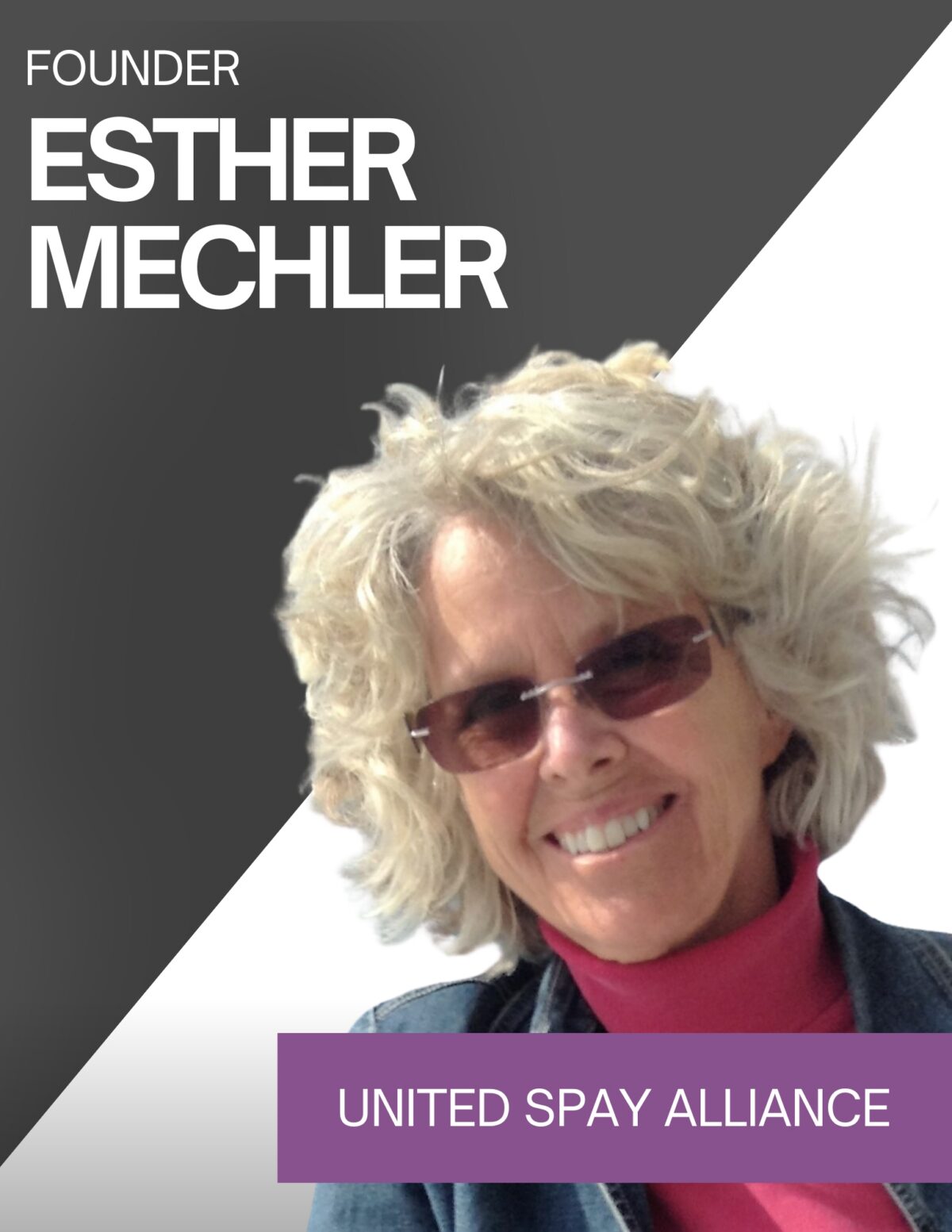
With more than 30 years of experience, Esther has been at the forefront of the spay and neuter movement, helping reduce euthanasia rates from 12 million animals per year to around 3 million — an 80% decrease.
Turning Passion Into Action: Building Stronger Communities for Cats Through Leadership and TNR
In animal welfare, it’s easy to feel like the problem is too big—too many cats, not enough resources, and never enough time. But what if the solution isn’t doing more alone… but doing more together?
In this episode of the Top Dog Podcast, Stacy LeBaron shares a powerful perspective shaped by over 30 years in community cat welfare: sustainable change doesn’t come from one organization—it comes from empowered communities.
Whether you’re a foster, volunteer, or part of an animal organization, this conversation offers practical insights on how you can create real impact right where you are.
Start Where You Are: Turning Passion Into Action
Stacy’s mission is simple but powerful—help people turn their passion for cats into meaningful action in their own communities.
“If you are passionate about cats, I’m going to help you change the world for cats in your community.”
For Dooberteers and organizations alike, this is a reminder that you don’t need to wait for the “perfect system” or more resources to start helping. Change often begins with noticing a need—cats in your neighborhood, a struggling colony, or a lack of access to spay/neuter—and taking that first step.
Fosters, especially, play a critical role here. You are often the bridge between rescue and community—helping animals transition from survival to stability.
Community Problems Require Community Solutions
One of the most powerful lessons from Stacy’s journey is that animal welfare is not a solo effort.
In one early project, an entire community came together—local businesses, volunteers, and organizations—to support a large colony of cats through Trap-Neuter-Return (TNR). Over time, the population stabilized and eventually declined naturally.
“This is a community-based solution. This is not one person. This is a team effort.”
For organizations, this reinforces the importance of:
Building relationships with local businesses and leaders
Engaging volunteers beyond shelter walls
Creating programs that involve the community, not just serve it
For Dooberteers, it highlights how your individual efforts—transporting, fostering, volunteering—fit into a much bigger system of impact.
Spay and Neuter: The Solution That Changes Everything
Stacy is very clear about one thing: spay and neuter is the long-term solution.
While rescue and fostering save lives in the moment, preventing future litters is what truly reduces intake and overcrowding.
She even reflects on this as one of her biggest lessons:
“I would say jump on that spay neuter bandwagon earlier.”
For organizations, this means:
Investing in or partnering with spay/neuter programs
Supporting mobile clinics or outreach efforts
Educating communities about accessible services
For fosters and volunteers, this can look like:
Advocating for spay/neuter in your local network
Helping connect pet owners to resources
Supporting TNR efforts in your area
Prevention isn’t always the most visible work—but it’s the most impactful.
You Are Already a Leader (Even If You Don’t Think You Are)
One of the most empowering parts of this conversation is Stacy’s take on leadership.
Many people in animal welfare—especially volunteers and caregivers—don’t see themselves as leaders. But they are often the most knowledgeable people in their communities.
“We need to pull ourselves forward and into the light and declare that we really are the leaders in this field.”
If you’ve ever:
Helped a stray cat
Fostered an animal
Assisted with a transport
Advised someone on what to do
You are already leading.
For organizations, this is a reminder to:
Empower your volunteers with education and tools
Create leadership opportunities within your community
Recognize and uplift grassroots efforts
For Dooberteers, this is your sign to step forward—share your knowledge, connect with your community, and be part of the solution.
Education Multiplies Your Impact
Helping one animal matters. But teaching others how to help? That’s how you create lasting change.
Stacy emphasizes the importance of education—not just for organizations, but for everyday community members who want to help but don’t know how.
When people are equipped with the right knowledge:
They make better decisions
They rely less on overwhelmed shelters
They become part of a sustainable solution
This is exactly what the Doobert community is all about—connecting people, sharing knowledge, and expanding the network of those who care.
Think Bigger: Addressing the Root Cause
One of the most unique insights Stacy shared is the idea of looking “upstream.”
Instead of only reacting to problems (like kittens needing rescue), we should ask: Why is this happening in the first place?
That might mean:
Lack of access to spay/neuter services
Limited education in certain communities
Economic barriers for pet owners
When organizations and volunteers start thinking this way, they move from reactive rescue to proactive impact.
Listen to the Full Episode
Want to hear the full conversation with Stacy LeBaron and learn more about community cats, Trap-Neuter-Return programs, and leadership in animal welfare? Listen here:
If you’re passionate about helping animals, join the Doobert community where volunteers, fosters, transporters, and animal organizations work together to save lives every day.
Visit Doobert.com to get involved, volunteer, foster, or transport animals in need.
And don’t forget to subscribe to the Top Dog Podcast on YouTube, Spotify, and Apple Podcasts so you never miss an episode.