Brittany Tennant | How One “No” Led to a New Rescue Organization
Brittany Tennant | How One “No” Led to a New Rescue Organization
Prefer an audio version? Listen here:
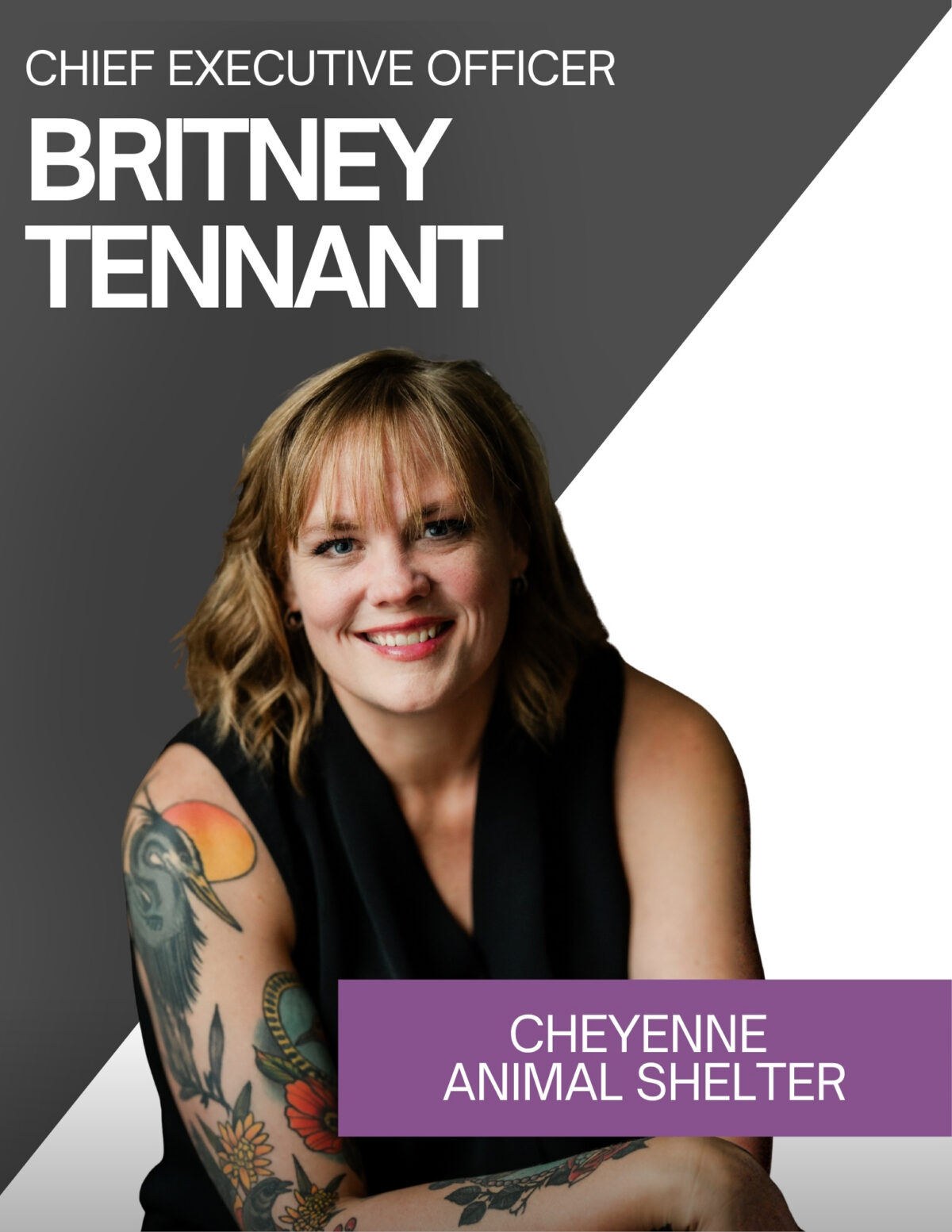
Brittany Tennant has spent nearly three decades finding ways to help animals, even when the obvious path forward was closed. Today, she serves as CEO of the Cheyenne Animal Shelter, the largest animal shelter in Wyoming, after years of rescue work that began with transporting and fostering animals and eventually led her to found Black Dog Animal Rescue.
Her journey is a story about persistence. Early in her career, she applied to the shelter where she now serves as CEO six different times. When she couldn’t get hired and discovered the shelter didn’t even have a volunteer program, she offered to create one herself. When that idea was rejected too, she started her own all-volunteer rescue organization.
That experience shaped one of the central lessons she now shares with others: a “no” doesn’t necessarily mean the journey is over.
“I don’t take no for an answer, I really don’t. I am also not defeated.”
For Tennant, resilience means understanding that an obstacle may simply mean the current path isn’t the right one. Sometimes the next step requires finding another door, and sometimes it means creating one.
“You just have to just find the next door that opens. And sometimes you have to create those doors.”
That mindset has been particularly valuable throughout her career because animal welfare itself has continued to change. Tennant has witnessed the rise of the no-kill movement, the professionalization of animal welfare, changes in shelter populations, and new challenges around animal transport and access to animals across state lines. She believes organizations need to understand the specific circumstances around them and remain agile enough to respond.
But perhaps the biggest change has been in how she leads.
When Tennant began working in animal welfare, her motivation was straightforward: she loved animals and wanted to help them. Over time, she realized that sustaining that work required a different kind of focus. Rather than trying to personally solve every problem for every animal, she increasingly focused on supporting the people around her.
“What that has required of me is to shift my leadership to be much more focused on people and supporting the people who work for me.”
That shift has helped her stay in animal welfare for nearly 30 years without becoming consumed by the endless number of animals who need help. She finds energy in seeing passionate, compassionate people grow and succeed, and she sees her role as helping those people do their best work.
“I got into animal welfare work because I love animals and I stay in it because I love people.”
Tennant also believes strongly in saying yes to opportunities, even when they aren’t exactly what someone had planned. The next opportunity may not immediately make sense, but it can lead somewhere unexpected.
That philosophy connects closely with the advice she would give her younger self. She remembers feeling insecure and uncertain about where she belonged, and she wishes she could have known then that the path would eventually reveal itself.
Her advice is especially relevant to young people entering animal welfare: stay engaged, keep moving, and don’t allow temporary discouragement to convince you that there is no place for you.
“Don’t give up and don’t let the discouragement stop you.”
After decades in the field, Tennant still doesn’t pretend to have every answer. Animal welfare continues to present new challenges, and sometimes the best anyone can do is make an educated guess and learn from the result. What experience provides is the ability to recognize patterns, trust your instincts, and understand that meaningful change often takes longer than expected.
Looking ahead, Tennant isn’t focused on simply adding more accomplishments to her own résumé. Her vision for her legacy is about making sure the knowledge and experience she’s gained can help others move the field forward.
She wants to help cultivate the next generation of animal welfare leaders, advocate for them when they need support, and open doors that might otherwise remain closed.
For someone whose career began because one shelter told her “no,” that’s a fitting legacy: helping other people find, open, and walk through the doors that come next.
If you’re passionate about helping animals, join the Doobert community where volunteers, fosters, transporters, and organizations work together to save lives every day. Visit Doobert.com to get involved.
And don’t forget to subscribe to the Top Dog Podcast on Spotify and Apple Podcasts so you never miss an episode.
Do you know any Top Dogs we should interview? We’re always looking for amazing people in animal welfare to feature on the podcast. Send us an email at tdp@doobert.com.
