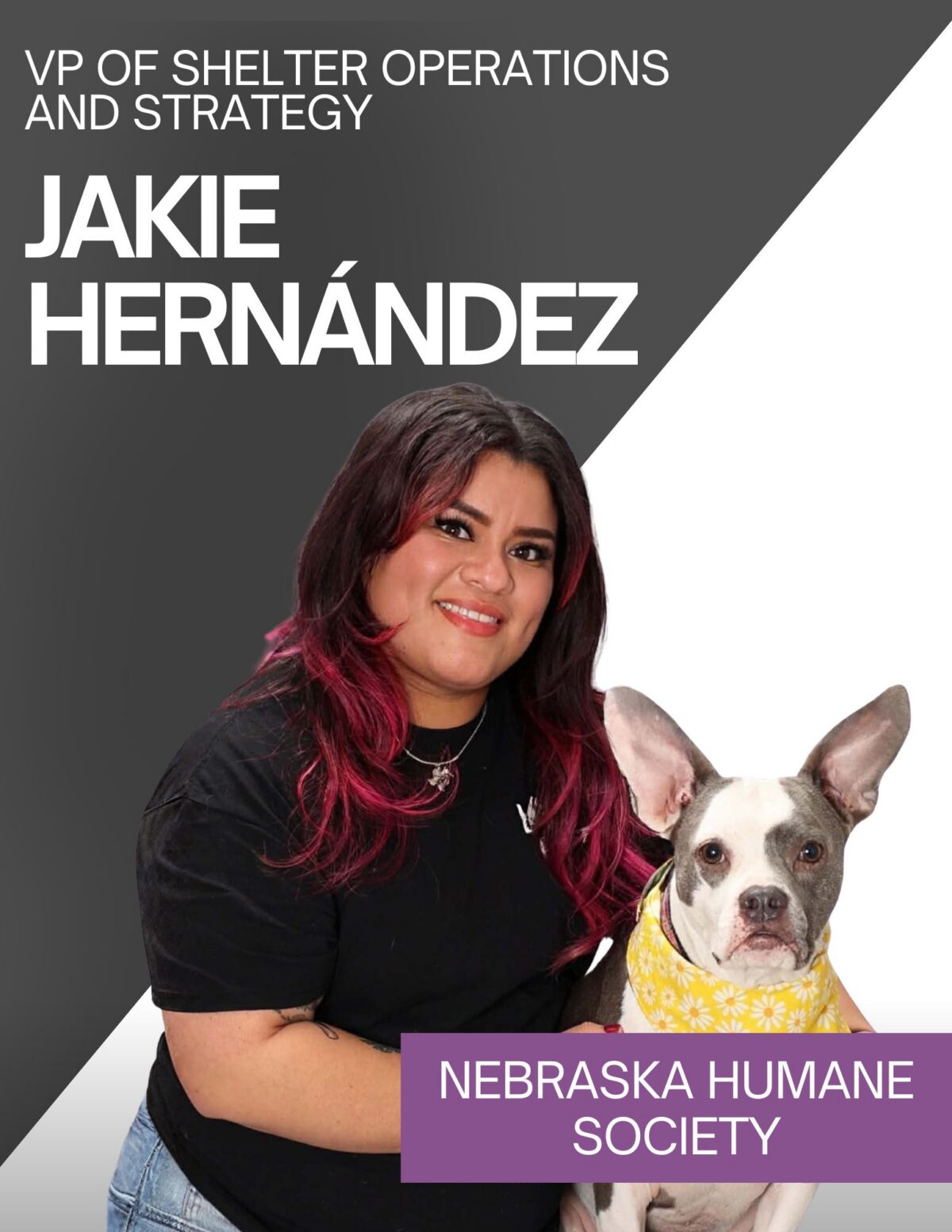
Jackie’s story highlights how unexpected moments can lead to meaningful impact — including founding a rescue that has saved over 2,500 dogs and eventually stepping into leadership roles across the industry.
A key takeaway from this episode is the importance of mindset and leadership approach. Jackie emphasizes moving away from scarcity thinking and toward growth, experimentation, and community impact.
More Than Adoptions: How Community Support and Data Are Saving More Animal Lives
In animal welfare, many people see the final happy moment—the adoption photo, the reunion story, or the rescued pet finding a new home. But behind every success story is a larger system of people, partnerships, data, and community care working quietly every day.
In this episode of the Top Dog Podcast, Jordan Craig of Operation Kindness shares how modern animal welfare is about much more than sheltering animals. It’s about building community programs, solving gaps in care, and using information to create better outcomes.
For organizations, fosters, and Dooberteers, this episode offers valuable lessons on how impact grows when compassion meets strategy.
From First Shelter Shift to Industry Leadership
Jordan’s path into animal welfare started humbly—working an overnight shelter shift on Christmas Eve while also waiting tables. What began as a way to get her foot in the door turned into a long-term career helping thousands of animals.
Her story is a reminder that many leaders in this field don’t begin with titles. They begin with willingness, persistence, and a desire to help.
For volunteers and fosters, that matters. You do not need to know your entire future path to start making a difference now.
Why Community Programs Matter More Than Ever
Operation Kindness has grown from a small grassroots rescue into an organization impacting more than 80,000 pets in a single year.
That impact goes beyond adoptions. Their programs include:
Pet food pantries
Community outreach events
Shelter support teams
Medical assistance for partner shelters
Spay and neuter services
Veterinary access support
This reflects an important shift in animal welfare: helping pets stay in homes can be just as important as rehoming them.
When families can access pet food, vaccines, or basic care, fewer animals enter shelters in the first place.
For organizations, prevention programs are no longer optional—they are essential.
Data Helps Save More Lives
Jordan shared one of the smartest takeaways from the episode: feelings matter, but facts help guide solutions.
Tracking metrics such as intake, length of stay, medical needs, and capacity allows shelters to act faster and smarter.
“Collect everything because you never know where you’re going to see the trend line.”
This is especially helpful for organizations trying to answer questions like:
Why do we feel full even when intake is lower?
Which services reduce returns?
Where is our community need growing?
What programs create the biggest impact?
For rescue groups and shelters, better data often leads to better funding, stronger planning, and more lives saved.
Fostering Does More Than Save One Animal
Jordan gave a powerful answer during the lightning round:
“Fostering doesn’t just save a life. It opens a kennel.”
That simple statement captures why foster programs are so valuable.
When one animal enters a foster home:
Shelter stress is reduced
The pet becomes more adoptable
Staff can focus on urgent cases
Another animal gets space and safety
For Dooberteers, fostering creates a chain reaction of lifesaving impact.
You may think you’re helping one pet—but you are helping many.
The Growing Need for Access to Care
One challenge discussed in the episode is the rising cost and uneven availability of veterinary services.
Many communities face:
High veterinary costs
Few clinics in underserved areas
Transportation barriers
Delayed medical care for pets
This can lead to preventable surrender, untreated illness, and overcrowded shelters.
Organizations that offer community veterinary support, mobile clinics, food pantries, or resource connections are solving problems before they become emergencies.
That is the future of animal welfare.
Leadership Means Building What You Once Needed
Jordan reflected that leadership has allowed her to create the changes she once wished existed earlier in her career.
That’s an important lesson for shelters, rescues, and volunteers alike.
Leadership doesn’t always mean being the CEO. It can mean:
Starting a foster initiative
Improving volunteer onboarding
Organizing transport help
Launching pet retention resources
Asking better questions
If you see a gap, you may be the right person to help close it.
Compassion Must Include the Humans Too
Animal welfare can be emotionally demanding. Jordan also spoke about the importance of taking care of yourself, setting boundaries, using time off, and building healthy routines.
That matters because burned-out people cannot sustain lifesaving work long term.
For Dooberteers and staff members, self-care is not separate from the mission—it supports the mission.
Listen to the Full Episode
Want to hear the full conversation with Jordan Craig and learn how Operation Kindness is helping animals through innovation, community programs, and leadership?
If you’re passionate about helping animals, join the Doobert community where volunteers, fosters, transporters, and animal organizations work together to save lives every day.
Visit Doobert.com to get involved, volunteer, foster, or transport animals in need.
And don’t forget to subscribe to the Top Dog Podcast on YouTube, Spotify, and Apple Podcasts so you never miss an episode.
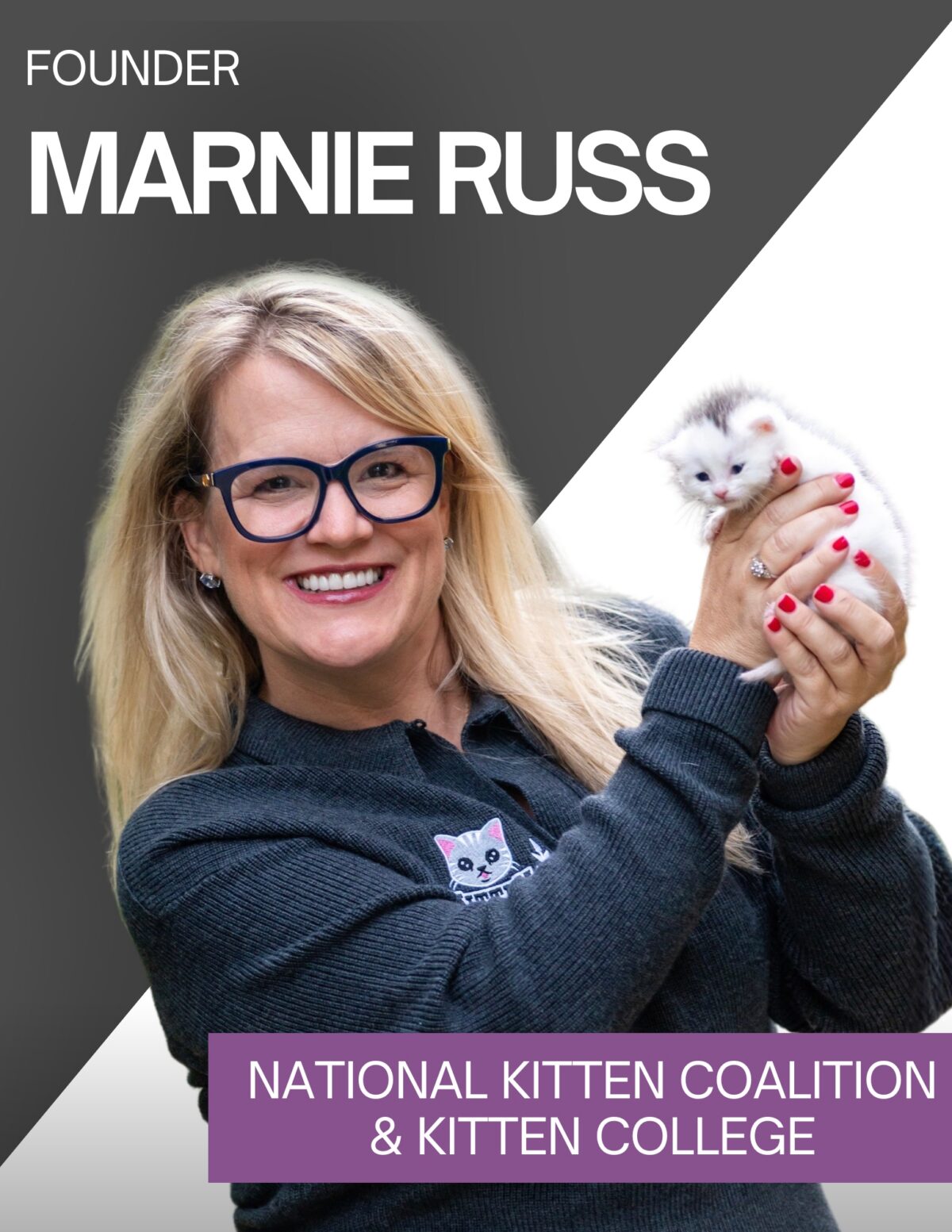
Mike Keiley of the MSPCA shares insights from over 30 years in animal welfare — and why real success comes from collaboration, not competition.
Leading a multi-location organization that impacts over 100,000 animals each year, Mike highlights how evolving programs, community support, and partnerships are essential to meeting the changing needs of animals and people.
Bridging the Gap: How Education, Technology, and Global Collaboration Are Transforming Animal Welfare in Japan
InAnimal welfare challenges don’t stop at borders—and neither do the solutions.
In this episode of the Top Dog Podcast, Erika Oguro shares how she’s working to transform animal welfare in Japan through education, technology, and community-driven innovation. As the founder of the Japan Animal Shelter Alliance and a developer of shelter software, Erika is tackling one of the biggest gaps in global animal welfare: access to knowledge and systems.
For organizations, fosters, and Dooberteers, her story offers a powerful reminder—progress often starts with sharing what works and adapting it to where it’s needed most.
When One Experience Changes Everything
Erika didn’t start her journey in animal shelters—she started by questioning how humans treat animals.
While studying topics like animal ethics and hunting, she became deeply aware of the contradictions in how society views animals. But it wasn’t until she volunteered at a shelter in the United States that everything shifted.
“My image about shelter is… dark and sad. But the shelter in the States was fun, positive, and full of life.”
That experience introduced her to shelter medicine, a field focused on improving the health, welfare, and operations of animal shelters—and it became her turning point.
The Reality of Animal Welfare in Japan
Unlike the U.S., where large organizations and structured systems are common, Japan’s animal welfare landscape looks very different.
If you’re passionate about helping animals, join the Doobert community where volunteers, fosters, transporters, and animal organizations work together to save lives every day.
Visit Doobert.com to get involved, volunteer, foster, or transport animals in need.
And don’t forget to subscribe to the Top Dog Podcast on YouTube, Spotify, and Apple Podcasts so you never miss an episode.
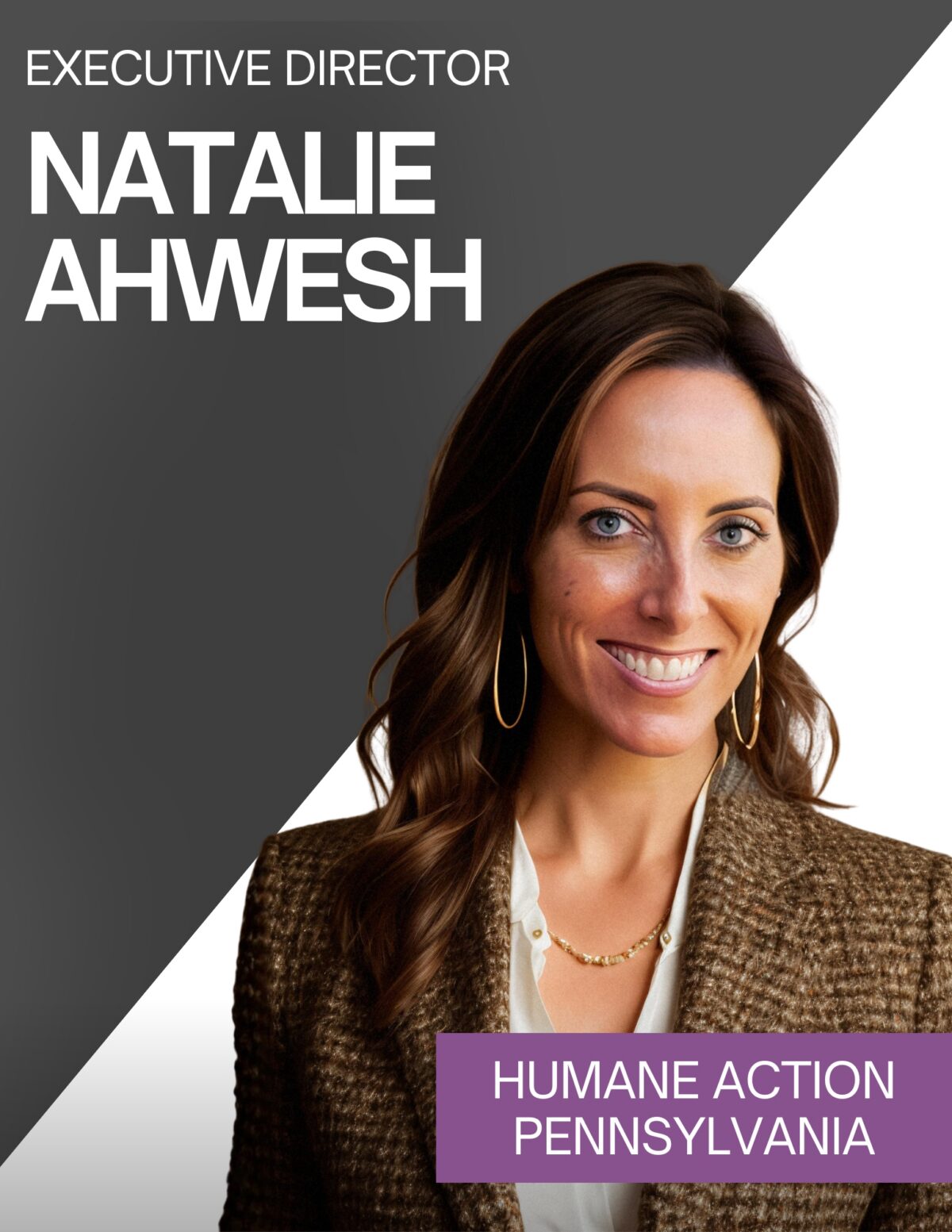
With over 15 years in animal welfare, Jordan highlights how growth, adaptability, and compassion shape effective leadership in a constantly evolving field.
Her journey started with persistence — and a willingness to take any opportunity.
From Burnout to Breakthrough: What It Really Takes to Build a Thriving Animal Shelter and Community
In animal welfare, we often see the success stories—the adoptions, the happy endings, the new beginnings. But behind those moments are teams working in difficult conditions, communities struggling with limited resources, and leaders making tough decisions every day.
In this episode of the Top Dog Podcast, Casey Shook, Executive Director of Homeward Bound Pets Humane Society, shares what it truly takes to lead through those challenges—and how fostering, community support, and infrastructure can transform animal welfare from the ground up.
This is a story not just about leadership, but about resilience, growth, and building something better for both animals and people.
The Reality Many Shelters Face (But Don’t Always Talk About)
Casey stepped into her role during a critical time. Her organization was operating in a failing facility, with limited space, limited resources, and overwhelming community need.
Despite performing thousands of spay/neuter surgeries and serving a large rural population, the shelter faced:
Constant overflow of stray animals
Limited kennel space
Inability to accept owner surrenders
Loss of volunteers and foster engagement
And yet, the work continued.
“We get almost 50 calls a day about either strays or somebody wanting to surrender their pet.”
For many organizations, this reality hits close to home. The demand often exceeds capacity—and without the right infrastructure, even the most dedicated teams struggle to keep up.
Why Facilities Matter More Than We Think
One of the biggest takeaways from this episode is the importance of infrastructure.
When a shelter facility fails, everything else is affected:
Fewer animals can be helped
Foster programs shrink
Volunteer engagement drops
Staff burnout increases
Casey’s organization had to pause cat intake and adoptions entirely due to facility limitations—a major loss for both the shelter and the community.
But with a new shelter on the way, everything is about to change.
For organizations, this is a powerful reminder: Facilities aren’t just buildings—they directly impact how many lives you can save.
The Power of Spay/Neuter (Even When It Feels Like It’s Not Enough)
Homeward Bound’s clinic has performed over 25,000 spay/neuter surgeries—an incredible number for a community of around 100,000 people.
And yet, the intake pressure remains high.
This highlights an important truth:
Spay/neuter works—but it takes time, consistency, and scale.
“It’s scary to think what it could look like if our clinic wasn’t located in that area.”
For Dooberteers and organizations alike, this reinforces:
Prevention is essential
Impact isn’t always immediately visible
Long-term commitment is key
Even when it feels like progress is slow, the alternative is far worse.
No-Kill vs. No-Birth: A Shift in Perspective
One of the most thought-provoking parts of the conversation is the distinction between no-kill and no-birth approaches.
No-Kill: Focuses on reducing euthanasia through managed intake and care
No-Birth: Focuses on preventing animals from being born in the first place through spay/neuter
Both aim to improve outcomes—but they approach the problem differently.
For organizations, the takeaway isn’t choosing one over the other—it’s understanding how both strategies can work together.
For fosters and volunteers, it’s a reminder that: Saving lives today and preventing suffering tomorrow are both part of the mission.
Fostering Isn’t Just Helpful—It’s Essential
Casey shares something every organization and volunteer should remember:
“Fostering doesn’t just save a life—it expands our capacity.”
When shelters are full, fostering becomes the difference between:
Turning animals away vs. helping them
Overcrowding vs. proper care
Burnout vs. sustainability
But fostering also does something deeper—it connects the community to the mission.
For Dooberteers, this is your impact:
You create space for more animals
You help animals thrive in home environments
You become part of a larger life-saving system
Leadership in Animal Welfare: It Starts With Trust
Stepping into a leadership role during a crisis isn’t easy. Casey had to rebuild trust within her team while pushing forward a massive capital campaign for a new shelter.
Her approach?
Listening first
Understanding her team’s challenges
Leading with empathy and transparency
Delivering on what her team needed most
This kind of leadership matters—especially in a field where burnout is common.
For organizations, it’s a reminder: Strong leadership isn’t just about strategy—it’s about people.
Building a Future Where Communities Thrive
Despite the challenges, Casey remains optimistic about the future.
When asked to describe the future of her community’s relationship with animals in one word, she chose:
“Thriving.”
And that’s what this episode is really about.
Not just surviving in animal welfare—but building systems, communities, and programs that allow animals, organizations, and people to thrive together.
Listen to the Full Episode
Want to hear Casey Shook’s full story and learn more about leadership, shelter operations, and building sustainable animal welfare programs? Watch on YouTube:
If you’re passionate about helping animals, join the Doobert community where volunteers, fosters, transporters, and animal organizations work together to save lives every day.
Visit Doobert.com to get involved, volunteer, foster, or transport animals in need.
And don’t forget to subscribe to the Top Dog Podcast on YouTube, Spotify, and Apple Podcasts so you never miss an episode.

After studying shelter medicine at the University of Florida, Erika returned to Japan and founded the Japan Animal Shelter Alliance — translating critical resources and building a network to support shelters and volunteers.
Her journey started with a shift in perspective after seeing how animal shelters operate differently around the world.
You Can’t Adopt Your Way Out: Why Prevention Is the Only Real Solution to Pet Overpopulation
In animal welfare, adoption stories often take center stage. They’re emotional, inspiring, and easy to celebrate. But behind the scenes, a harder truth remains—adoption alone cannot solve pet overpopulation.
In this episode of the Top Dog Podcast, Esther Mechler, founder of United Spay Alliance, shares a powerful and necessary perspective: if we want to truly reduce shelter intake and euthanasia, we must focus on prevention.
For organizations, fosters, and Dooberteers, this conversation is both a reality check and a roadmap forward.
The Moment That Changed Everything
Esther’s journey into animal welfare began with a single cat she couldn’t save.
After meeting a calm, beautiful cat she planned to help rehome, she returned to the shelter days later—only to find the cat had been euthanized.
That moment sparked a lifelong mission.
“That was really the fire in the belly… I realized this is not just a local problem.”
What started as one heartbreaking experience turned into decades of impact—helping reduce euthanasia numbers from 12 million to 3 million annually.
But as Esther explains, the work is far from over.
The Hard Truth: Adoption Is Not Enough
One of the most important takeaways from this episode is simple but often overlooked:
You cannot adopt your way out of overpopulation.
“Dogs multiply 15 times as fast as humans, and cats multiply 45 times as fast.”
Even with strong adoption programs, the math doesn’t work. When animals reproduce faster than they can be rehomed, shelters will always be overwhelmed.
For organizations, this means:
Adoption should not be the only focus
Rescue without prevention creates a cycle
Intake will continue unless the root cause is addressed
For fosters and Dooberteers, it’s a shift in perspective: Saving one life matters—but preventing ten more from needing rescue matters even more.
Think Upstream: Solving the Problem at the Source
Esther shares a powerful analogy: instead of pulling animals out of the “river,” we need to go upstream and figure out why they’re there in the first place.
That root cause? Uncontrolled breeding.
“We have to stop the process at the beginning… that’s public health for pets.”
This is where spay and neuter becomes the most important tool in animal welfare.
When organizations invest in prevention:
Shelter intake decreases
Euthanasia rates drop
Resources can be used more effectively
Staff and volunteers experience less burnout
For Dooberteers, this means supporting not just rescue—but prevention efforts in your community.
Why Spay and Neuter Still Isn’t Prioritized
Despite decades of proven success, spay and neuter programs often struggle to get funding and attention.
Why?
Because they’re not “exciting.”
“Spay neuter… that’s not sexy.”
Adoption stories go viral. Rescue videos get shared. But prevention work happens quietly—and often without recognition.
This creates a dangerous imbalance:
Funding shifts away from prevention
Communities lose access to affordable services
Overpopulation begins to rise again
For organizations, this is a critical reminder to:
Advocate for spay/neuter funding
Educate donors on long-term impact
Balance storytelling between rescue and prevention
Small Changes Can Make a Big Difference
One of the most actionable insights from Esther is the idea of earlier spay/neuter timing.
Even adjusting the timeline by a few weeks can prevent entire litters from being born.
This is the foundation of campaigns like “Fix by Five,” which encourage sterilization before animals reach reproductive maturity.
For organizations and vets, this represents a huge opportunity:
Reduce accidental litters
Lower community intake
Improve long-term outcomes
For fosters and volunteers:
Advocate for early spay/neuter
Educate adopters
Partner with clinics that support these practices
Community-Led Change Is the Only Way Forward
Just like in Stacy LeBaron’s episode, Esther reinforces a key idea: solutions must come from within the community.
Every region is different. Every challenge is unique.
But the model remains the same:
Educate local communities
Build relationships with veterinarians
Create accessible spay/neuter programs
Empower individuals to take action
“People come forward and say, ‘I want to do this. How do I do it?’ And then we’re glad to help.”
For Dooberteers, this is where you come in.
You are not just volunteers—you are connectors, advocates, and problem-solvers within your communities.
Don’t Give Up—Because Progress Is Possible
Even after decades in animal welfare, Esther’s advice is simple:
“Don’t give up.”
The progress made—from 12 million to 3 million euthanasias—proves that change is possible. But it also shows how quickly things can reverse when prevention is no longer prioritized.
This is a long-term mission. And it requires consistency, collaboration, and commitment.
Listen to the Full Episode
Want to hear the full conversation with Stacy LeBaron and learn more about community cats, Trap-Neuter-Return programs, and leadership in animal welfare? Listen here:
If you’re passionate about helping animals, join the Doobert community where volunteers, fosters, transporters, and animal organizations work together to save lives every day.
Visit Doobert.com to get involved, volunteer, foster, or transport animals in need.
And don’t forget to subscribe to the Top Dog Podcast on YouTube, Spotify, and Apple Podcasts so you never miss an episode.
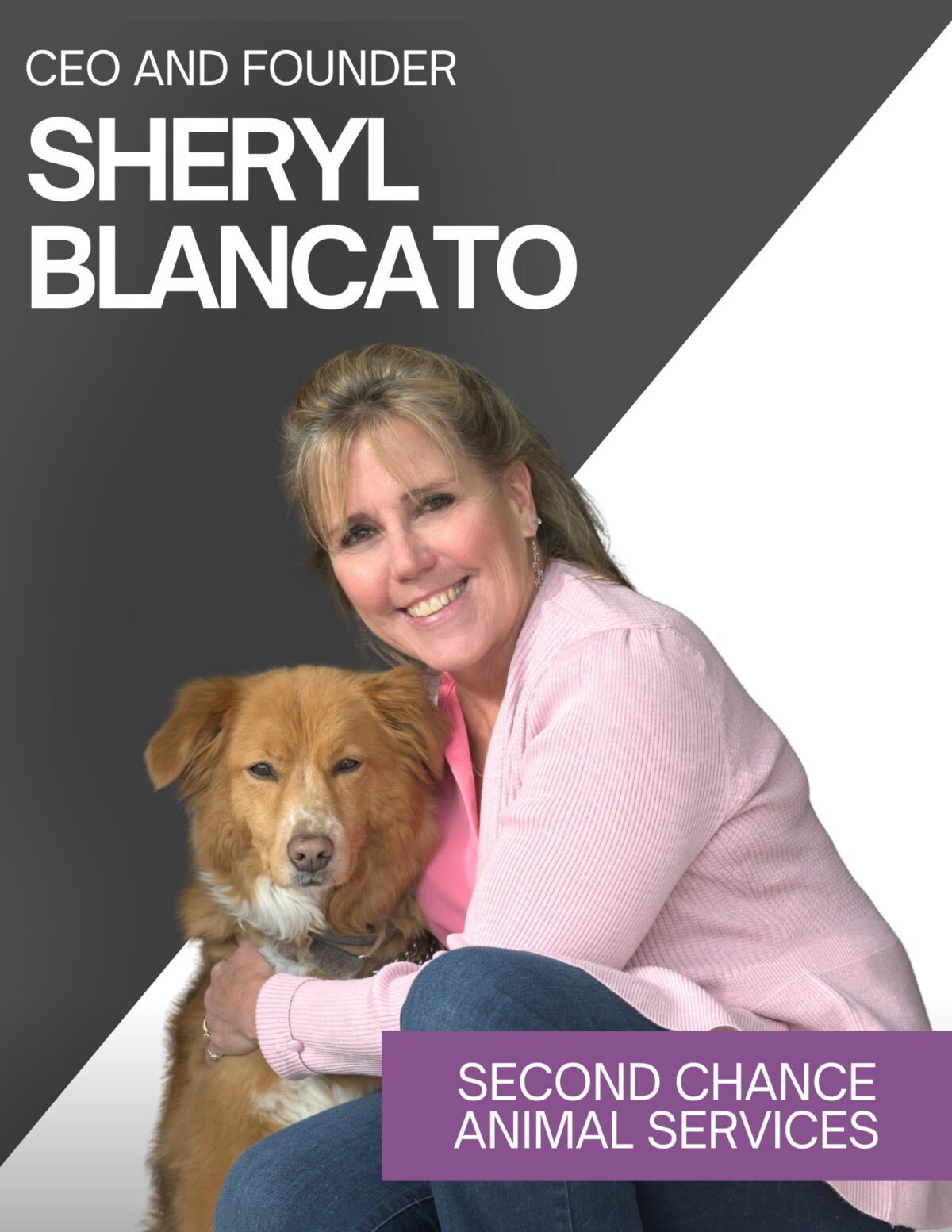
With a small team, aging facilities, and growing demand, Casey is leading efforts to build a new shelter that will expand their impact and better support animals in need.
Her path was driven by one clear realization:
“I didn’t want to waste any more time not being true to myself.”
With more than 30 years of experience, Esther has been at the forefront of the spay and neuter movement, helping reduce euthanasia rates from 12 million animals per year to around 3 million — an 80% decrease.