
Natascha Scott | The Art of Outsmarting a Cat
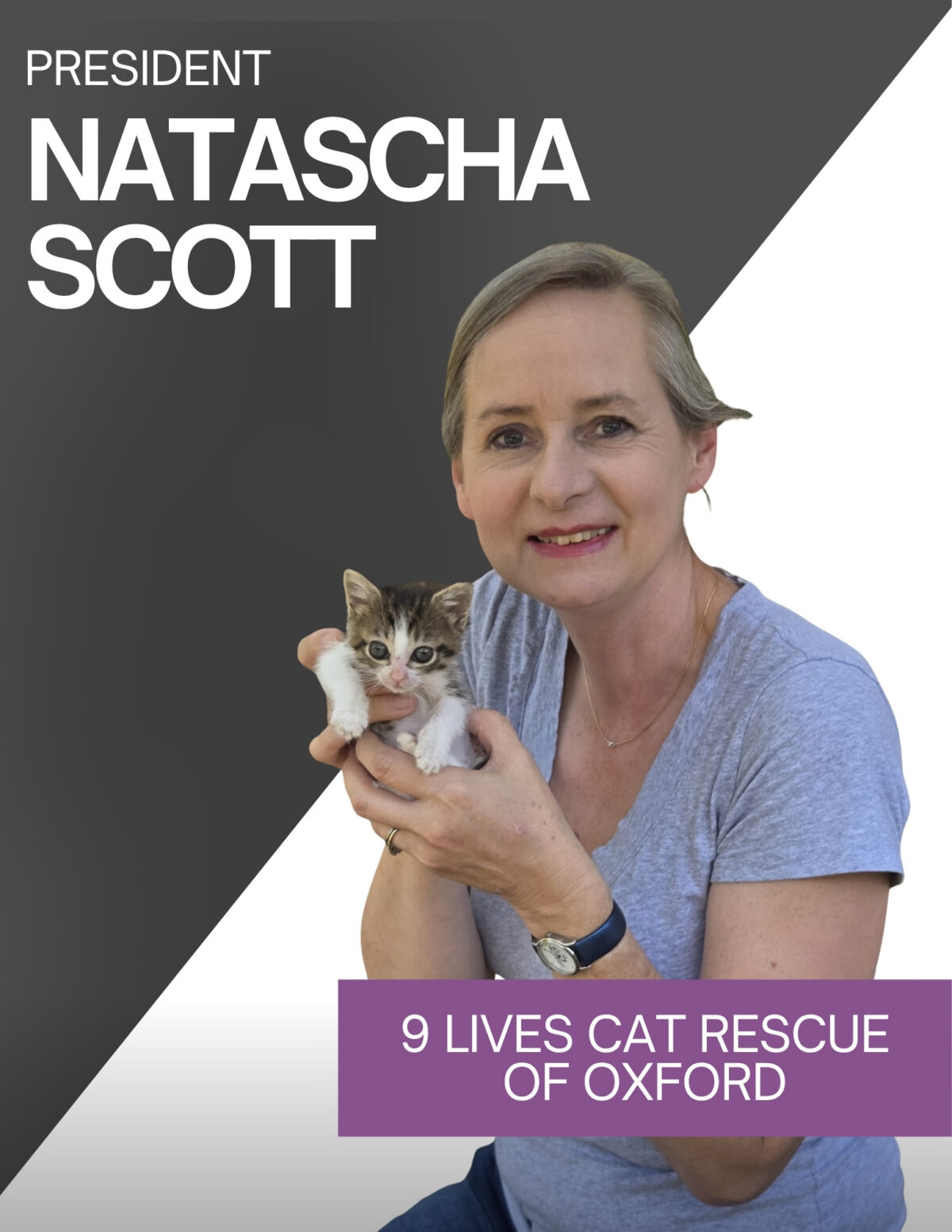
Natascha Scott | The Art of Outsmarting a Cat
Prefer an audio version? Listen here:
In this episode of the Top Dog Podcast, Natascha Scott, President of 9 Lives Cat Rescue of Oxford, shares the unexpected journey that took her from plant molecular biology to rescuing 50 to 200 cats every year. What began as volunteering to help address cat overpopulation on the Ole Miss campus eventually became a 20-year commitment to helping some of the most difficult cats to catch.
Natascha’s introduction to rescue came through volunteering. She quickly discovered that she had a knack for solving the unique challenges that come with trapping cats, especially those that had already learned to recognize and avoid traditional traps.
“Sometimes we had to outsmart cats that didn’t want to go into a trap.”
Over the years, Natascha has developed an impressive collection of creative trapping techniques. She’s used everything from rotating lasers and hanging bait to cardboard-covered traps and even a baby monitor that plays recorded kitten and cat sounds.
“It just dinged in my head.”
Her approach isn’t based on a background in engineering. Instead, Natascha starts with the problem, imagines the result she wants, and works backward until she finds a solution.
“I have a problem. I want to see that at the end.”
That willingness to experiment has helped her handle some extraordinary rescue situations, including cats hiding underground, cats trapped after disasters, and animals that have repeatedly outsmarted conventional traps.
One of her most memorable rescues involved a cat named Milo, who disappeared underground after his owner could hear him beneath the ground. Natascha and several other people spent four hours digging before eventually losing hope. She left a motion-activated camera behind, and the following evening, she received an alert showing Milo walking past the camera.
“It was a very happy orange cat just going across the camera.”
Milo was safely reunited with his owner, turning what had seemed like a heartbreaking ending into a remarkable rescue.
Natascha also discusses the challenges facing cats in Oxford, Mississippi, where shelters can become overwhelmed and many families struggle to afford spay and neuter services. For her, preventing unwanted litters is one of the most important ways to reduce suffering and abandonment.
“It’s very important to get everybody spayed or neutered.”
Because 9 Lives Cat Rescue operates entirely through volunteers and donations, community support is essential. Facebook has become an important way for Natascha to connect with people who need help, share rescue stories, and raise money for medical expenses.
“We don’t have any paid employees. Everybody is volunteer.”
Despite all the cats that have managed to evade her, Natascha doesn’t see failure as a reason to stop trying. Sometimes the rescue doesn’t work, but she believes that making the effort still matters.
“We can’t save them all, but at least I tried to go there and help them.”
That persistence is perhaps best illustrated by one of her earliest trapping challenges: a campus cat known as “The King.” Even after carefully setting up a homemade drop trap and hiding nearby, Natascha watched as the cat sat inches away from the trigger string and seemingly stared directly at her.
“He was looking at me and he was like, never, never, ever.”
Twenty years later, Natascha still loves the challenge. Every difficult cat presents another puzzle to solve, and every successful rescue makes the effort worthwhile.
“It’s the challenge that I like.”
At its core, this episode is about creativity, persistence, and finding unconventional solutions when the obvious approach doesn’t work. Natascha’s story demonstrates that you don’t need a traditional animal welfare background to make a difference—you need curiosity, determination, and a willingness to keep trying.
Her hope for her legacy is simple: fewer animals suffering because more pets are spayed and neutered, fewer animals abandoned, and more people understanding that they can help prevent the problem.
“I’m always trying to show how important it is to spay neuter.”
This message is especially important for Dooberteers, fosters, volunteers, and cat rescuers. Whether you’re helping a difficult-to-catch cat, supporting a community cat caregiver, or simply helping someone access spay and neuter services, every effort can prevent suffering and save lives.
If you’re passionate about helping animals, join the Doobert community where volunteers, fosters, transporters, and organizations work together to save lives every day. Visit Doobert.com to get involved.
And don’t forget to subscribe to the Top Dog Podcast on Spotify and Apple Podcasts so you never miss an episode.
Do you know any Top Dogs we should interview? We’re always looking for amazing people in animal welfare to feature on the podcast. Send us an email at tdp@doobert.com.
