Zach Skow | How Dogs Helped Save His Life — and Thousands More

After being given just 90 days to live due to end-stage liver failure caused by alcoholism, Zach found hope and purpose through the unconditional love of his dogs.
After being given just 90 days to live due to end-stage liver failure caused by alcoholism, Zach found hope and purpose through the unconditional love of his dogs.
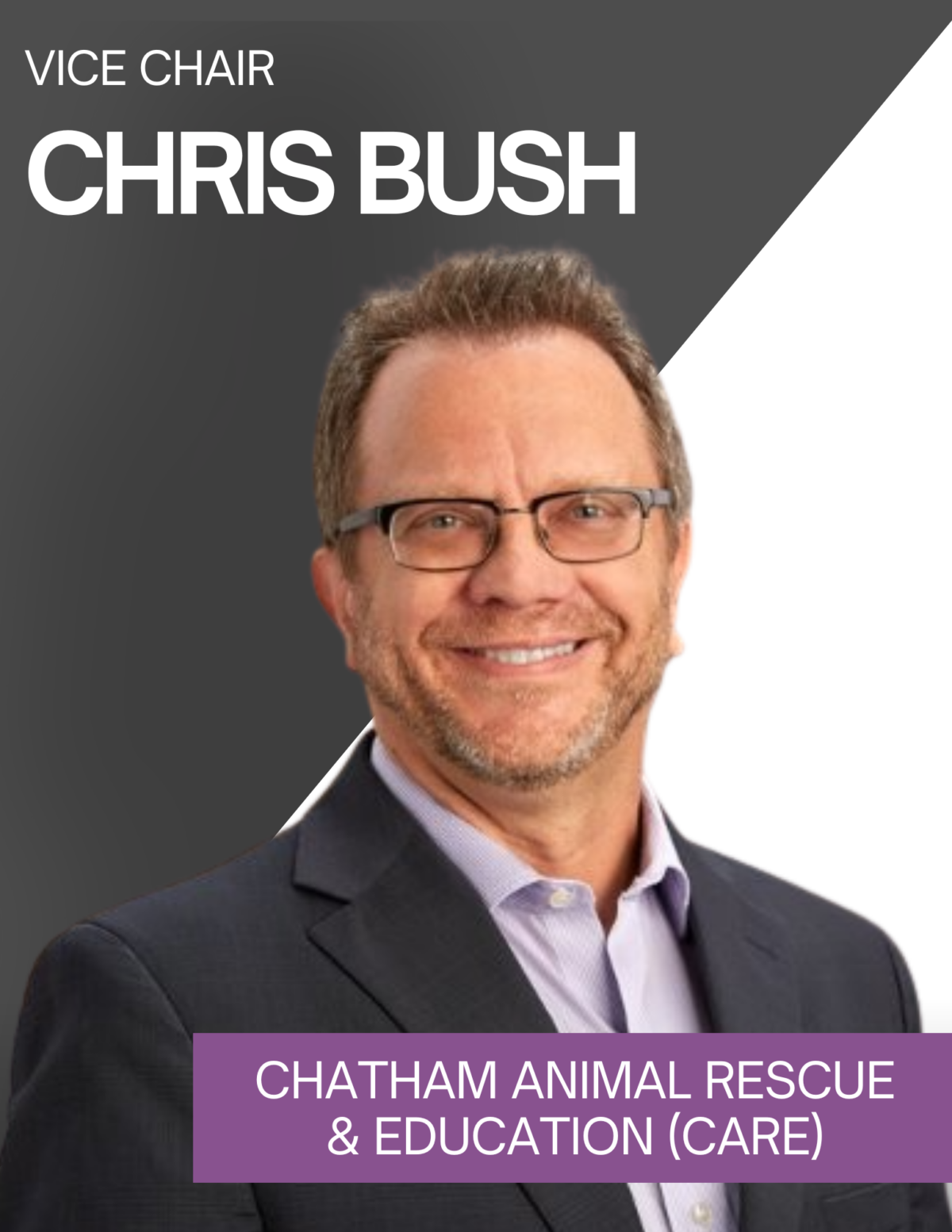
As a volunteer with Chatham Animal Rescue and Education (CARE), Chris is helping lead efforts to address cat overpopulation through Trap-Neuter-Return (TNR), affordable spay and neuter access, and community collaboration.
Starting as an animal control officer, Sheryl quickly realized that traditional sheltering alone could never keep up with the need.
“You can never build a shelter big enough.”
That realization led to a new approach — focusing on accessible veterinary care, community programs, and keeping pets in their homes rather than bringing them into shelters.
After starting as a volunteer, Randa made a life-changing decision to leave her corporate career and fully commit to helping animals.
“I felt the need to make a difference.”
Today, she leads multiple programs focused on prevention, outreach, and community support, helping thousands of animals each year while addressing the root causes of overpopulatio
With a small team, aging facilities, and growing demand, Casey is leading efforts to build a new shelter that will expand their impact and better support animals in need.
Her path was driven by one clear realization:
“I didn’t want to waste any more time not being true to myself.”
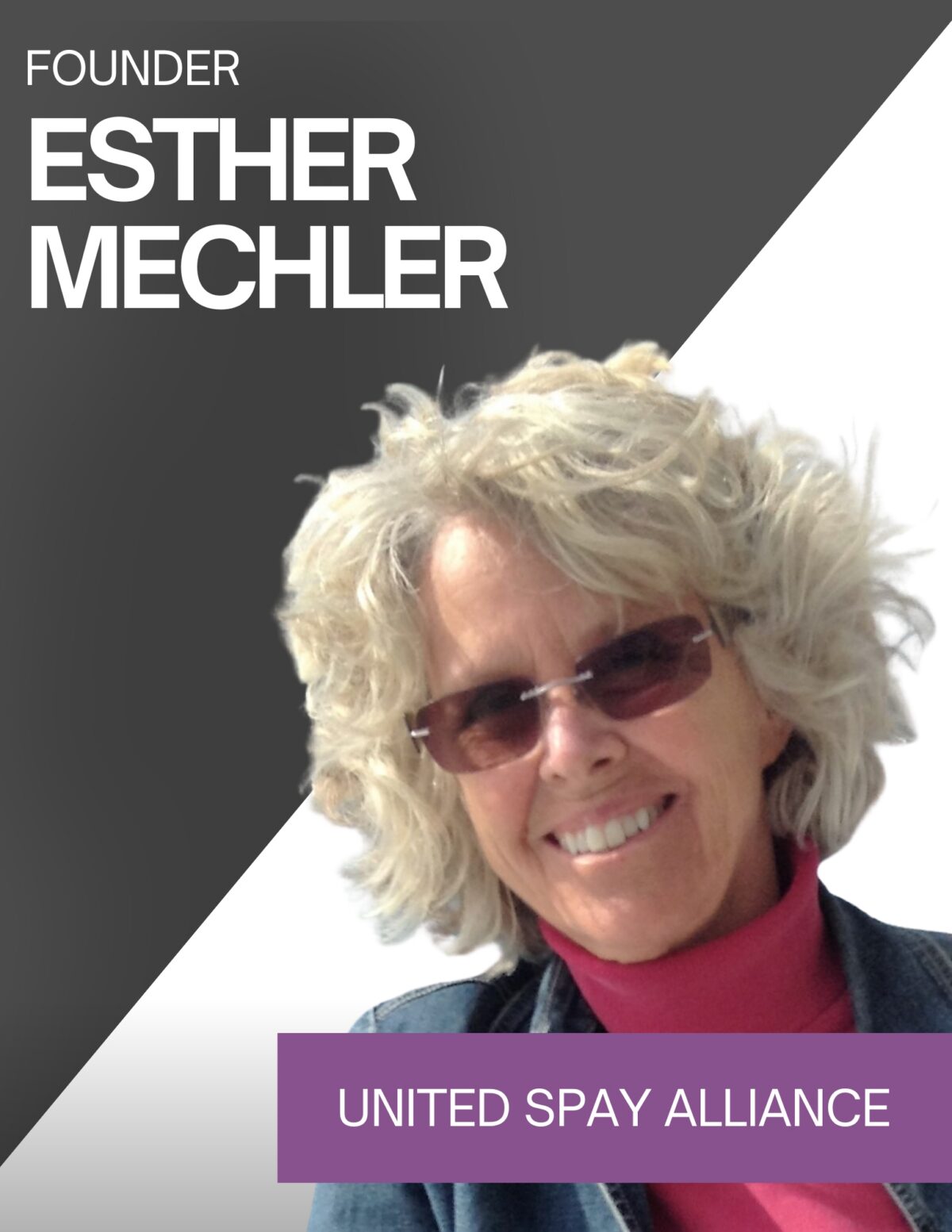
With more than 30 years of experience, Esther has been at the forefront of the spay and neuter movement, helping reduce euthanasia rates from 12 million animals per year to around 3 million — an 80% decrease.
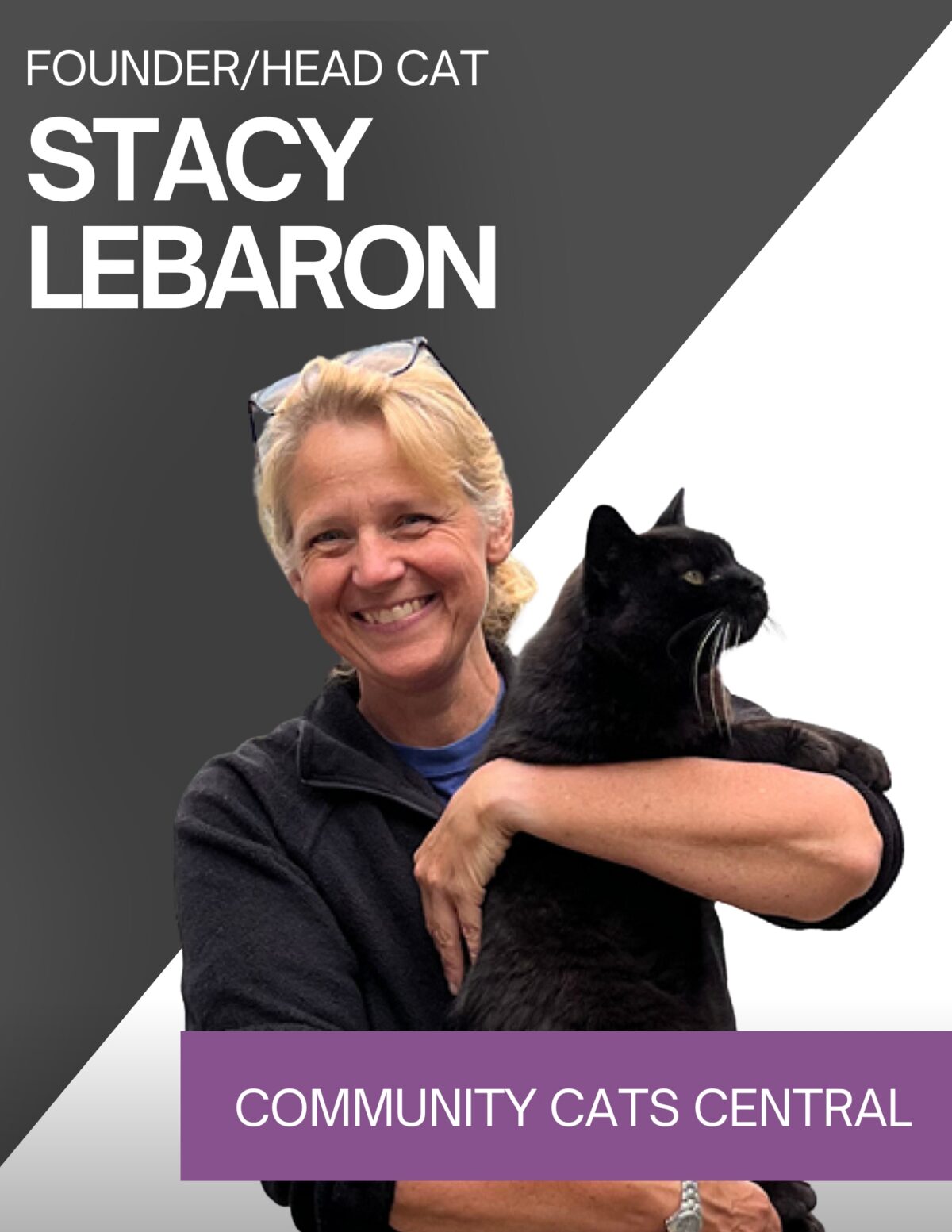
Stacy has spent more than 30 years working in community cat programs and Trap-Neuter-Return (TNR), and one of her biggest lessons is that animal welfare is not just the responsibility of shelters. Communities, volunteers, and local organizations all play a role in reducing overpopulation and improving animal welfare.