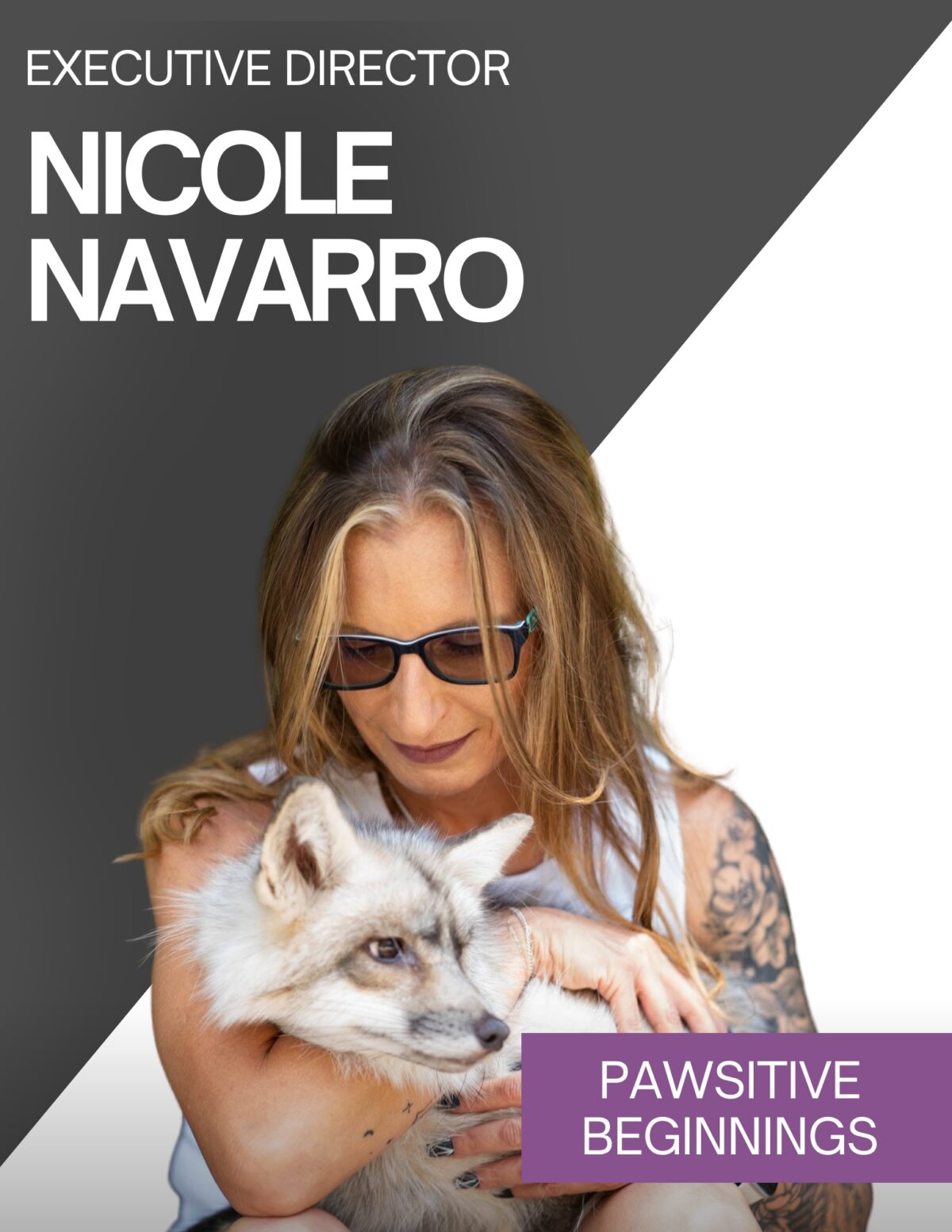
Nicole Navarro shares how a small fox sanctuary in the Florida Keys evolved into a unique healing space where rescued foxes help survivors of trauma, addiction, and hardship discover hope, boundaries, and resilience.
The Future of Animal Welfare Depends on Working Together, Not Working Alone
Every animal welfare professional has experienced it.
A shelter is operating beyond capacity. Another organization a few miles away has available resources but little communication. A pet owner is preparing to surrender a beloved companion because they don’t know help exists. Volunteers are exhausted, staff are overwhelmed, and everyone feels like they’re carrying the weight of the community on their own.
It’s easy to believe these challenges are caused by limited funding or growing intake numbers. While those realities certainly play a role, they aren’t always the biggest obstacle.
Sometimes the greatest barrier to progress is the belief that we have to solve every problem ourselves.
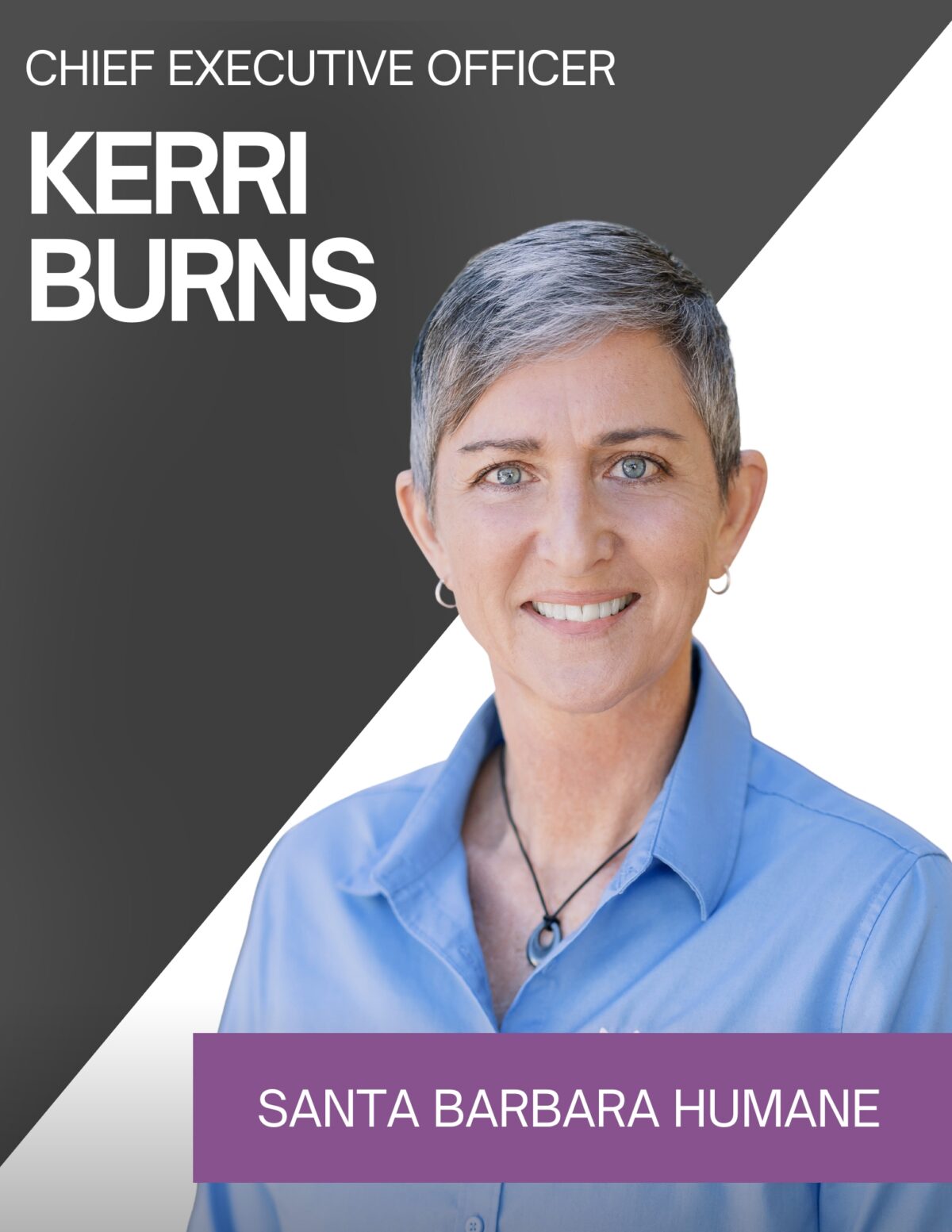
During her conversation on the Top Dog Podcast, Kerri Burns, CEO of Santa Barbara Humane, shared how nearly three decades of experience—from policing and disaster response to leading one of California’s most innovative animal welfare organizations—has convinced her that collaboration is one of the most powerful tools the industry possesses. Her journey demonstrates that when organizations replace competition with cooperation, extraordinary things become possible.
The Best Leaders Never Stop Learning
Kerri’s career didn’t begin inside an animal shelter.
She worked in social services, served as a police officer, wrote grants for public health programs, and eventually joined PetSmart Charities, where she reviewed funding requests from animal welfare organizations across North America. Looking back, those experiences may seem unrelated, but each one helped prepare her for the leadership role she holds today.
Rather than following a straight career path, Kerri allowed each opportunity to teach her something new. Law enforcement strengthened her ability to remain calm during emergencies. Grant writing exposed her to innovative programs happening across the country. Counseling studies deepened her understanding of human behavior and communication.
That willingness to keep learning eventually became one of her greatest leadership strengths.
She believes one of the biggest mistakes leaders make is assuming they already have the answers.
“I think in animal welfare, I see a lot of people… ‘I’ve got this. I know what I’m doing. I’ve been here before.’ It seems to come from ego and not a space of being open and learning.”
For Kerri, effective leadership isn’t about proving you’re the smartest person in the room. It’s about remaining curious enough to keep asking questions, listening to others, and adapting when new ideas emerge.
Disaster Response Changed Her Perspective on Community
A turning point in Kerri’s career came unexpectedly.
While working at PetSmart Charities, a devastating wildfire broke out in Arizona. Because of her background in law enforcement and emergency response, she quickly organized supplies, coordinated logistics, and soon found herself behind active fire lines helping rescue animals.
Over the next decade, disaster response became a defining part of her career. She worked during Hurricane Katrina, major wildfires, floods, and large-scale animal rescue operations throughout the United States and abroad.
What stayed with her wasn’t only the devastation.
It was what happened afterward.
Families who had lost nearly everything often experienced overwhelming relief the moment they were reunited with their pets. Entire communities—regardless of political beliefs, income levels, or backgrounds—came together with a shared purpose simply because animals needed help.
Those moments reinforced something Kerri still believes today.
Animals have an extraordinary ability to unite people.
“Animals have so much more to teach us than we’ll ever learn in our lifetime.”
That lesson continues to shape how she approaches leadership, partnerships, and community engagement.
Every Conversation Is an Opportunity to Keep a Family Together
Many organizations measure success by adoption numbers or live release rates.
Santa Barbara Humane certainly celebrates those milestones, but Kerri believes some of the most meaningful victories happen before an animal ever enters the shelter.
When someone arrives intending to surrender a pet, her team doesn’t immediately begin paperwork.
Instead, they begin a conversation.
What problem is the family experiencing?
Is it behavior?
Housing?
Medical care?
Training?
Access to affordable resources?
By spending twenty or thirty minutes listening instead of rushing through the intake process, staff often uncover solutions that allow pets to remain with the families who already love them.
The results have been remarkable.
Kerri shared that these conversations help divert approximately 30 to 40 percent of potential shelter intakes by connecting owners with training, resources, or community support instead of immediately accepting the animal into the shelter.
It’s an approach that requires patience, but it also reflects a larger shift happening throughout animal welfare.
Rather than asking, “How quickly can we process this surrender?” organizations are increasingly asking, “How can we help this family succeed?”
Sometimes the best way to save an animal’s life is to keep them exactly where they already belong.
Strong Organizations Build Strong Communities
Under Kerri’s leadership, Santa Barbara Humane has expanded far beyond traditional shelter operations.
What once performed only a handful of spay and neuter surgeries each day now completes close to one hundred. The organization has significantly expanded adoptions, developed a veterinary training hospital, welcomed students from around the world, and regularly transfers animals from overcrowded shelters in neighboring communities.
Those accomplishments didn’t happen because the organization simply worked harder.
They happened because the team kept asking one important question:
“Why not?”
When someone proposes a new idea, Kerri’s first response isn’t to explain why it won’t work.
Instead, she encourages experimentation.
If an idea succeeds, the organization grows.
If it doesn’t, valuable lessons are learned.
That mindset has helped create a culture where innovation feels safe rather than risky—a quality increasingly important for organizations navigating rapidly changing community needs.
Collaboration Is the Future of Animal Welfare
Perhaps the strongest message throughout Kerri’s interview is her belief that the animal welfare community has spent far too much time working against itself.
Too often, organizations view neighboring shelters as competitors rather than collaborators. Historical disagreements, personality conflicts, and organizational pride can prevent meaningful partnerships from developing.
Kerri believes the animals deserve better.
“We have failed ourselves by bringing in our ego and bringing in those types of non-collaborative efforts.”
She points out that communities differ dramatically across the country. What works in one shelter may not work somewhere else, but that shouldn’t prevent organizations from learning from one another.
Sharing ideas.
Sharing resources.
Sharing successes.
These are the practices that move the profession forward.
Animals don’t care which logo appears on the building helping them.
They simply need people willing to work together.
Leadership Is About Building People
Although Kerri oversees a large organization, she remains deeply committed to supporting individual employees.
She makes a point of walking through the shelter every day, checking in with staff members, asking how they’re doing, and listening to their ideas.
More importantly, she asks a question many leaders forget to ask:
“How can I help you do your job better?”
Whether someone dreams of becoming a veterinary technician, dog trainer, or future executive, Kerri believes organizations should actively help employees grow into those roles.
Leadership isn’t about telling people what to do.
It’s about creating opportunities for them to become more than they thought possible.
That philosophy extends to her vision for the entire industry.
If more leaders invested in mentoring people instead of protecting territory, animal welfare would move forward much faster.
What This Means for Dooberteers
Kerri’s career reminds us that animal welfare has never been just about animals.
It’s about people learning to work together.
It’s about listening before reacting.
It’s about helping families stay together whenever possible.
And it’s about recognizing that compassion isn’t a limited resource—it grows when it’s shared.
Whether you’re fostering your first puppy, transporting animals across state lines, volunteering on weekends, or leading an organization, collaboration begins with a simple choice: seeing others as partners instead of competitors.
When communities embrace that mindset, everyone benefits—especially the animals.
Listen to the Full Episode
Want to hear Kerri Burns’ inspiring journey from disaster response to animal welfare leadership?
If you’re passionate about helping animals, join the Doobert community where volunteers, fosters, transporters, and animal organizations work together to save lives every day.
Visit Doobert.com to get involved, volunteer, foster, or transport animals in need.
And don’t forget to subscribe to the Top Dog Podcast on YouTube, Spotify, and Apple Podcasts so you never miss an episode.
Kerri Burns shares how a career spanning disaster response, animal welfare leadership, and community service taught her that the future of animal welfare depends on collaboration, compassion, and putting people first.
Bringing Shelter Medicine Out of the Dark: How One Veterinarian Helped Transform Animal Welfare Forever
When people think about animal welfare, they often picture adoption events, foster homes, rescue transports, or community outreach programs. What many don’t realize is that much of what modern shelters do today—from vaccination protocols to disease prevention strategies to lifesaving population management—didn’t exist a few decades ago.
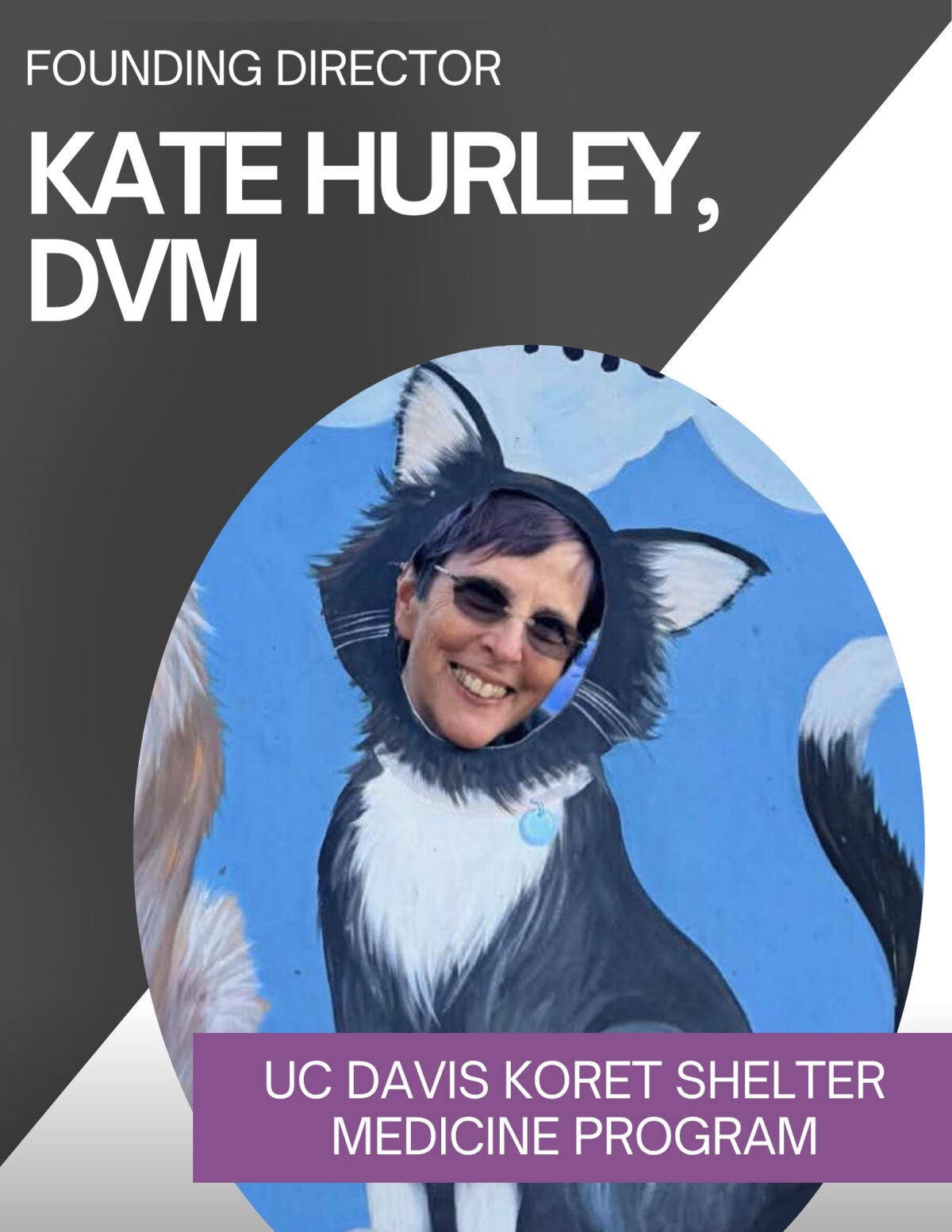
In this episode of the Top Dog Podcast, Dr. Kate Hurley, Founding Director of the UC Davis Koret Shelter Medicine Program, reflects on a career that helped create an entirely new field within veterinary medicine. Her work has transformed how shelters care for animals, reduced unnecessary euthanasia, and brought scientific research into environments that had long been overlooked.
For organizations, fosters, and Dooberteers, Kate’s story is a reminder that some of the most important innovations in animal welfare don’t happen through grand gestures. They happen when someone asks a simple question:
Why are we doing it this way?
When Shelters Were Operating in the Dark
Before shelter medicine became a recognized field, many shelters were largely disconnected from the veterinary profession.
As an animal control officer in the early days of her career, Kate witnessed firsthand how difficult shelter work could be. Staff members were doing everything they could to care for animals, but they often lacked access to the research, training, and medical guidance available elsewhere in veterinary medicine.
“It felt like we were in the dark.”
Shelters relied heavily on word-of-mouth advice, product representatives, and trial-and-error approaches to disease control. Animals frequently became sick, outbreaks spread through facilities, and many shelters lacked the tools to prevent infections or improve outcomes.
At the time, euthanasia was often viewed as unavoidable.
Cats entered shelters by the thousands, and many never made it out alive. Puppies died from preventable diseases. Shelter staff worked incredibly hard, but they were often trying to solve complex medical challenges without access to the knowledge that could help them succeed.
Kate couldn’t shake the feeling that something was missing.
The Questions That Changed Everything
One of the turning points in Kate’s journey came when she discovered that many of the solutions shelters desperately needed already existed.
Research showed that certain disinfectants didn’t reliably eliminate dangerous viruses like parvovirus and calicivirus. Vaccines could provide meaningful protection much faster than many shelter professionals realized. Yet this information wasn’t reaching the people who needed it most.
“How did you not tell us that?”
The problem wasn’t that the science didn’t exist.
The problem was that no one had connected the worlds of veterinary medicine and animal sheltering.
Shelters were caring for some of the most vulnerable animals in the country, yet they remained largely invisible within veterinary education and research.
That realization sparked an idea.
What if shelter medicine became its own field?
What if shelters had access to the same scientific resources available to veterinary hospitals?
What if animal welfare professionals didn’t have to solve every problem alone?
Those questions helped lay the foundation for what would eventually become shelter medicine.
Creating a New Field
Today, shelter medicine is recognized around the world, but when Kate first proposed the idea, many people weren’t convinced.
Some veterinary professionals viewed shelters primarily as places where animals were euthanized rather than places where medical innovation could make a difference.
When Kate told professors she wanted to work in shelters, she recalls being told:
“The only thing you need to know is the dose of euthanasia solution.”
It was a heartbreaking reflection of how little attention shelters received at the time.
Yet even as some dismissed the idea, others saw its potential.
With support from UC Davis and funding opportunities through Maddie’s Fund, Kate became the first veterinarian to complete a shelter medicine residency. Around the same time, similar efforts were emerging elsewhere, including early shelter medicine programs at other veterinary schools and the formation of the Association of Shelter Veterinarians.
The timing was right.
A movement was beginning.
And Kate found herself at the center of it.
Why Small Improvements Save Thousands of Lives
One of the most inspiring parts of Kate’s story is that many of the earliest victories weren’t dramatic breakthroughs.
They were practical solutions.
Changing a disinfectant protocol.
Improving vaccination timing.
Reducing disease transmission.
Teaching shelters how to isolate sick animals.
These may sound like small adjustments, but their impact was enormous.
A single outbreak of parvovirus or upper respiratory infection could once devastate a shelter population. By applying evidence-based medicine, shelters dramatically improved survival rates and reduced unnecessary euthanasia.
What makes this especially important is that these changes were scalable.
A new protocol implemented in one shelter could be shared with hundreds of others.
One solution could save thousands of lives.
Capacity for Care: The Next Frontier
Today, Kate continues pushing animal welfare forward by exploring one of the biggest challenges facing shelters: capacity.
Many organizations struggle with overcrowding, long lengths of stay, and limited resources. Yet the solution isn’t always as simple as building more kennels.
Kate’s current work focuses on understanding how many animals a shelter can care for while maximizing positive outcomes.
Too few animals in care may mean opportunities are missed.
Too many animals can overwhelm staff, reduce quality of care, increase stress, and limit resources available for lifesaving programs.
“There’s some right amount of animals to have in a shelter at any one time to maximize lifesaving success.”
What makes this especially exciting is her exploration of artificial intelligence as a tool to help shelters determine those ideal numbers.
If successful, organizations could better balance:
Housing capacity
Staffing levels
Length of stay
Live release rates
Community support programs
The goal isn’t simply efficiency.
The goal is helping shelters save more lives while using resources more effectively.
Never Assume There Isn’t a Solution
One of the most powerful moments in the conversation comes when Kate reflects on the advice she would give her younger self.
At many points in her career, the challenges facing animal welfare seemed overwhelming.
Cat euthanasia rates were staggering.
Disease outbreaks were common.
Resources were limited.
Yet many of the solutions that would later transform the field were already beginning to emerge.
Return-to-field programs.
Community cat initiatives.
Modern vaccination protocols.
Shelter medicine residencies.
National standards of care.
None of these were obvious at the time.
That’s why Kate’s advice is so important:
“You might not even know what the solution is, but don’t assume there isn’t one.”
For organizations facing today’s challenges—whether it’s overcrowding, staffing shortages, veterinary access, or foster recruitment—that perspective offers hope.
Progress often begins before we can fully see it.
What This Means for Dooberteers
Kate’s story reminds us that animal welfare moves forward because people continue asking questions.
Every major advancement began with someone willing to challenge assumptions and explore a better way.
For Dooberteers, that means:
Supporting innovation
Embracing new ideas
Investing in education
Sharing knowledge
Looking beyond today’s challenges
Whether you’re a foster, transporter, volunteer, shelter professional, or advocate, your willingness to learn and adapt helps create better outcomes for animals.
And sometimes, as Kate’s career demonstrates, one question can change an entire field.
Listen to the Full Episode
Want to hear Dr. Kate Hurley’s full story and learn more about the evolution of shelter medicine, disease prevention, and the future of animal welfare?
If you’re passionate about helping animals, join the Doobert community where volunteers, fosters, transporters, and animal organizations work together to save lives every day.
Visit Doobert.com to get involved, volunteer, foster, or transport animals in need.
And don’t forget to subscribe to the Top Dog Podcast on YouTube, Spotify, and Apple Podcasts so you never miss an episode.
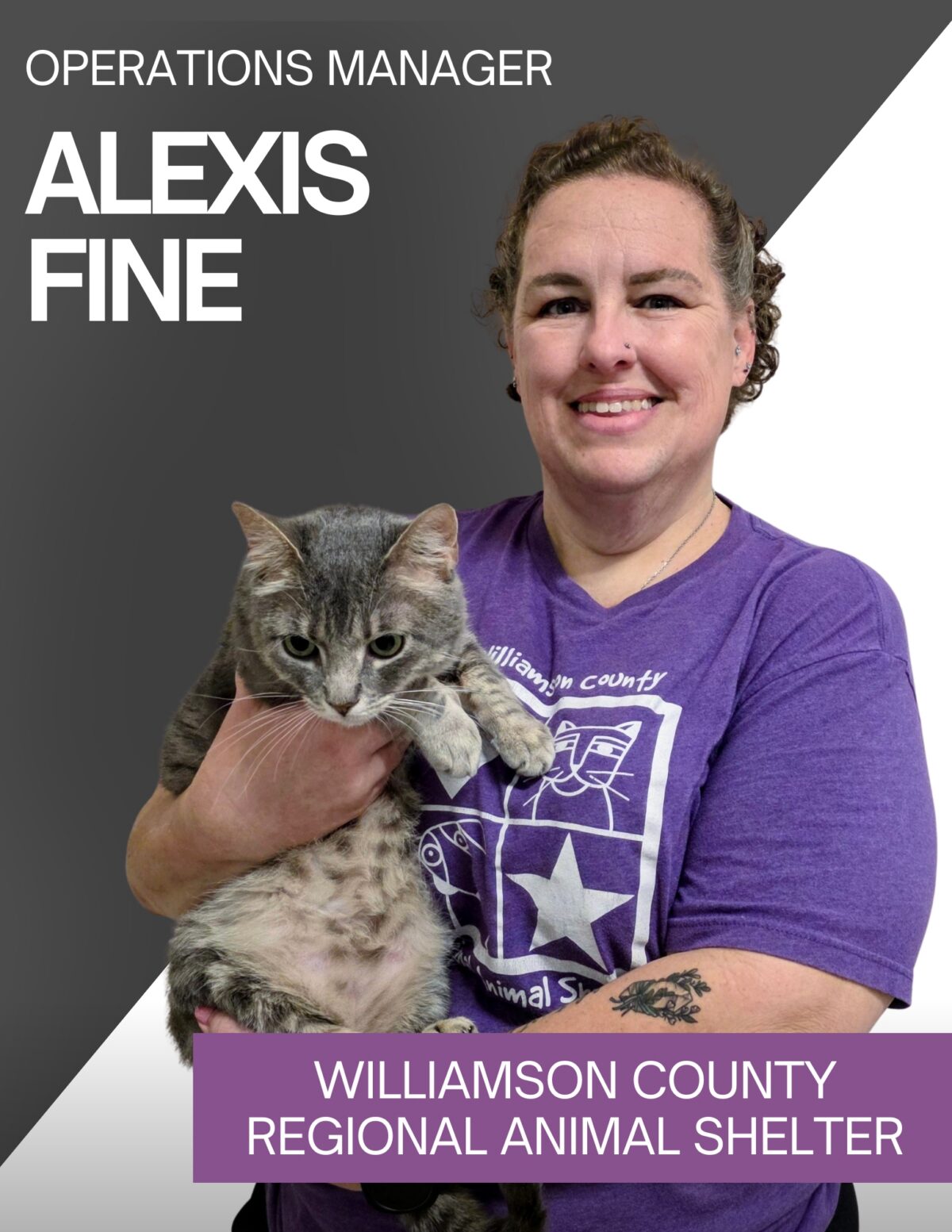
Alexis Fine shares how investing in staff, building strong community partnerships, and leading with compassion has helped Williamson County Regional Animal Shelter create better outcomes for animals and the people who care for them.
From Rock Bottom to Rescue: How Dogs Helped Zach Skow Rebuild His Life and Inspire Thousands More
Animal welfare is full of stories about second chances. Dogs rescued from neglect find loving homes. Families open their doors to animals in need. Communities come together to create better futures for vulnerable pets.
But sometimes the most powerful rescue story is not about the animal.
It’s about the person.
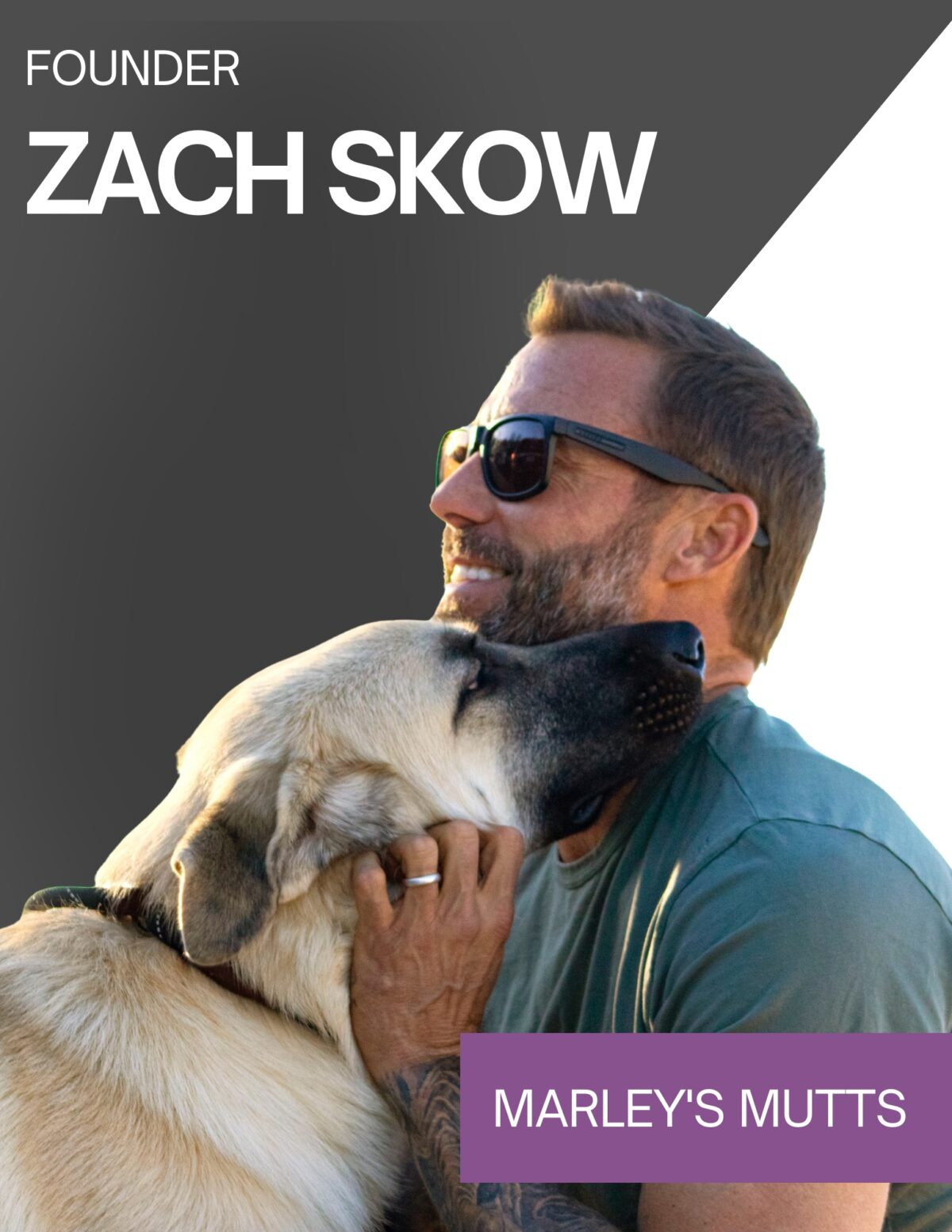
In this episode of the Top Dog Podcast, Zach Skow, founder of Marley’s Mutts, shares a journey that begins with addiction, illness, and hopelessness and evolves into one of the most inspiring stories in animal welfare. Today, Zach is known for helping thousands of dogs find homes, creating innovative prison rehabilitation programs, and advocating for a more compassionate world. But none of it would have happened without three dogs who refused to give up on him when he had nearly given up on himself.
For organizations, fosters, and Dooberteers, Zach’s story is a powerful reminder that the human-animal bond can transform lives in ways we never expect.
The Day Everything Changed
In 2008, Zach found himself facing a reality few people ever imagine.
Years of alcoholism had taken a devastating toll on his body. Doctors diagnosed him with end-stage liver disease and gave him approximately 90 days to live without a transplant. At just 28 years old, he was confronting the possibility that his life might be ending before it had truly begun.
Physically, he was deteriorating. Emotionally, he felt lost. Looking in the mirror, he saw someone he barely recognized.
But then something happened that would alter the course of his life.
He looked down at his dogs.
“They were looking up at me like I was the greatest person that ever existed.”
While Zach saw failure, sickness, and disappointment, his dogs saw none of those things. They saw the same person they had always loved.
That moment became a turning point.
Instead of focusing on what he had lost, Zach began focusing on the lives depending on him. He needed to care for his dogs. He needed to show up for them. And in doing so, he slowly began showing up for himself.
Purpose Can Be a Powerful Form of Healing
Recovery is often described as a process of rebuilding. But rebuilding can feel impossible when you don’t know where to start.
For Zach, the answer came through service.
As he began fostering and helping dogs in need, he discovered that caring for others gave him something addiction had taken away: purpose.
“The way through recovery is by being of service to others.”
The animals didn’t care about his past mistakes. They didn’t care about his diagnosis. They didn’t care about who he had been.
They cared about whether he showed up.
Every feeding, every walk, every foster dog that needed attention gave Zach another reason to keep moving forward.
This is a lesson that resonates far beyond recovery. Many volunteers, fosters, and rescue workers can relate to the feeling that helping an animal somehow helps heal a part of themselves as well.
The relationship is never one-sided.
Sometimes we save animals.
Sometimes they save us.
Building Marley’s Mutts One Dog at a Time
As Zach’s health improved and his sobriety strengthened, his passion for helping dogs continued to grow.
Named after one of the dogs who helped save his life, Marley’s Mutts began as a small rescue effort and eventually expanded into a nationally recognized organization that has impacted thousands of animals over nearly two decades.
But Zach never wanted Marley’s Mutts to be just another rescue.
He understood that while rescuing individual animals is important, rescue alone cannot solve the challenges facing animal welfare.
“We quite simply can’t rescue our way out of this.”
That realization pushed him to think bigger.
Instead of focusing only on saving dogs already in crisis, Zach began exploring ways to address the root causes of animal suffering and homelessness.
Why Prevention Matters More Than Most People Realize
One of the strongest themes throughout the conversation is the importance of prevention.
Animal welfare professionals often spend their days responding to emergencies:
Overcrowded shelters
Neglected animals
Owner surrenders
Medical cases
Abandonment situations
But Zach argues that the greatest impact often comes before those emergencies happen.
Through his work with organizations focused on high-volume spay and neuter programs, he advocates for solutions that prevent unwanted litters and reduce shelter intake before animals ever need rescuing.
For organizations and communities, this requires a shift in thinking.
Instead of asking, “How many animals can we save?”
We must also ask, “How many animals can we prevent from needing rescue in the first place?”
The answer to that question can have an enormous impact on long-term outcomes.
The Power of Prison Dog Programs
One of the most innovative aspects of Zach’s work is his prison-based rehabilitation program.
At first glance, pairing incarcerated individuals with rescue dogs might seem like an unusual idea. But the results have been remarkable.
The dogs receive:
Training
Socialization
Structure
Consistent interaction
The participants gain:
Responsibility
Purpose
Emotional growth
Communication skills
Opportunities for personal transformation
Zach describes the program as a place where rehabilitation happens for both species.
“The prison has become a rescue and rehabilitation factory for dogs and people.”
Many of the dogs entering the program are considered difficult placements. Some have behavioral challenges. Others have experienced trauma or neglect.
But when given time, patience, and consistent guidance, many emerge as confident, adoptable companions.
The same can be said for people.
The program demonstrates something Zach believes deeply: growth is possible when individuals are given support, structure, and a chance to succeed.
What Animal Welfare Can Learn From Recovery
Throughout the episode, Zach draws surprising parallels between addiction recovery and animal welfare.
Both involve:
Healing from trauma
Building trust
Learning new behaviors
Creating structure
Developing healthy relationships
Just as recovery isn’t linear, neither is rehabilitation.
Some dogs progress quickly.
Others need more time.
Some people find healing immediately.
Others require years of support and patience.
The lesson is the same: meaningful change rarely happens overnight.
It happens through consistency, compassion, and the willingness to keep showing up.
Radical Empathy Creates Stronger Communities
Perhaps the most memorable takeaway from Zach’s conversation is his belief in radical empathy.
At a time when many issues feel divisive and polarized, he encourages people to look beyond labels and focus on shared humanity.
“We belong to each other.”
That philosophy shapes every aspect of his work.
It influences how he views:
Rescue animals
People in recovery
Incarcerated individuals
Volunteers
Community members
Instead of asking who deserves help, Zach asks how we can create opportunities for healing.
For animal welfare organizations, this mindset can be transformative.
Whether working with adopters, fosters, pet owners, or community members, empathy often opens doors that judgment never could.
What This Means for Dooberteers
Zach’s story is ultimately about the power of connection.
It reminds us that animal welfare isn’t only about saving animals. It’s about creating stronger communities, supporting people through difficult moments, and recognizing the incredible role animals play in our lives.
As volunteers, fosters, transporters, and advocates, Dooberteers make those connections possible every day.
Every foster home creates a second chance.
Every transport saves a life.
Every act of compassion creates a ripple effect that extends far beyond the animal being helped.
And sometimes, as Zach’s story proves, that ripple effect changes a human life too.
Listen to the Full Episode
Want to hear Zach Skow’s full story and learn more about Marley’s Mutts, recovery, prison dog programs, and the transformative power of the human-animal bond?
If you’re passionate about helping animals, join the Doobert community where volunteers, fosters, transporters, and animal organizations work together to save lives every day.
Visit Doobert.com to get involved, volunteer, foster, or transport animals in need.
And don’t forget to subscribe to the Top Dog Podcast on YouTube, Spotify, and Apple Podcasts so you never miss an episode.
Starting as an animal control officer before becoming a veterinarian, Kate witnessed firsthand how shelters often lacked the medical knowledge, resources, and systems needed to properly care for animals.
You Can’t Rescue Your Way Out of Overpopulation: Why Community Solutions Matter
Every animal welfare organization dreams of a day when there are fewer homeless animals entering shelters and rescues. But according to Chris Bush, Vice Chair of Chatham Animal Rescue & Education (CARE), that future won’t be achieved through rescue alone.
It will happen through community involvement, education, and prevention.
In this episode of the Top Dog Podcast, Chris shares lessons learned from more than three decades of helping cats and building community-driven solutions. His message is both practical and hopeful: lasting change happens when entire communities take responsibility for animal welfare, not just shelters and rescue groups.
For organizations, fosters, and Dooberteers, this conversation offers valuable insights into one of the biggest challenges facing animal welfare today: cat overpopulation.
Rescue Alone Cannot Solve the Problem
One of the most powerful moments in the conversation comes when Chris addresses a reality that many animal welfare professionals eventually discover.
“We cannot rescue our way out of this problem.”
It’s not a lack of compassion.
It’s math.
Cats reproduce quickly. Without intervention, one unaltered female cat can contribute to dozens of cats entering the community over time.
As communities grow, the challenge grows with them.
Chris explains that Chatham County, North Carolina, is one of the fastest-growing counties in the United States, bringing both opportunities and challenges for animal welfare organizations. Housing costs are increasing, veterinary access is limited, and more families are struggling to afford pet care.
The result?
More animals needing help than rescue organizations can realistically absorb.
Prevention Is the Most Powerful Lifesaving Tool
Like many people in animal welfare, Chris initially focused on rescue and adoption.
Over time, he realized that the most effective solution lies further upstream.
“The biggest problem is owned cats that aren’t fixed.”
When affordable spay and neuter services are unavailable, even responsible pet owners can find themselves overwhelmed.
Veterinary costs have risen dramatically in many communities, creating barriers for families who genuinely care about their animals but simply cannot afford procedures.
That’s why CARE focuses heavily on:
Low-cost spay and neuter programs
Community education
Voucher assistance
Mobile veterinary clinics
Trap-Neuter-Return (TNR) programs
These initiatives prevent future suffering before it begins.
Community Cats Are Part of the Community
One of the most important lessons Chris shares is the need to rethink how we view outdoor cats.
For years, terms like “stray” and “feral” dominated animal welfare conversations.
Today, many advocates prefer the term community cat.
Why?
Because many outdoor cats already have people who care for them.
“You may find they have two, three, four, five owners.”
A cat might:
Receive food from multiple households
Have shelter provided by neighbors
Be known and loved throughout a neighborhood
Live successfully outdoors without needing placement
That doesn’t mean they should continue reproducing.
But it does mean that not every outdoor cat needs to enter a shelter.
Understanding this distinction helps organizations make better decisions about resources and outcomes.
Good Intentions Aren’t Always the Best Solution
One of the most eye-opening parts of the conversation centers on a common misconception.
Many people see an outdoor cat and immediately assume it needs rescuing.
Chris explains why that isn’t always true.
Sometimes removing a cat from its environment creates new problems:
The cat may already be cared for.
The cat may be bonded to a community.
The cat may not adapt well to indoor living.
Someone may already be searching for that animal.
“Not all cats need to be rescued.”
Instead, organizations increasingly focus on assessing each situation individually and determining what outcome truly serves the animal’s best interests.
Building a Community Cat Program Takes a Village
Chris is currently helping develop a community cat program in Chatham County.
But he is quick to point out that no single person can accomplish this work alone.
“It’s a group effort.”
Creating sustainable programs requires:
Volunteers
Veterinarians
Community leaders
Trappers
Foster homes
Municipal support
Grant funding
The good news?
Many of the best volunteers are already invested in the outcome.
Chris notes that people who come seeking help often become some of the strongest advocates and volunteers because they care deeply about the animals involved.
Small Success Stories Matter
One of the most touching stories from the episode involves a cat named Jed.
Found injured and abandoned, Jed initially struggled to trust people.
He would scratch, bite, and desperately try to prevent caregivers from leaving him.
But as volunteers continued showing up consistently, his behavior changed.
Chris realized something important:
Jed wasn’t aggressive.
He was afraid of being abandoned again.
After months of care, socialization, and patience, Jed found a loving home.
Today, he spends his days cuddling with his new family and comforting a child when she’s sick.
Stories like Jed’s help volunteers stay motivated during difficult times.
Compassion Fatigue Is Real
Animal welfare work is emotionally demanding.
Chris openly discusses the ethical dilemmas rescue teams face every week:
Limited resources
Difficult decisions
Owner surrenders
Medical cases
Community challenges
To avoid burnout, he emphasizes several strategies:
Work as a team
Share decision-making responsibilities
Celebrate successes
Take breaks when needed
Remember the animals you’ve helped
“If you go down in flames, you can’t help anybody.”
For Dooberteers, this is an important reminder that self-care isn’t selfish—it’s necessary.
The Future of Animal Welfare Is Community-Based
Perhaps the biggest takeaway from Chris’s conversation is that animal welfare is evolving.
The future isn’t just about shelters.
It’s about communities.
It’s about helping people keep pets in their homes.
It’s about affordable veterinary care.
It’s about prevention.
And it’s about empowering neighborhoods to become part of the solution.
As Chris explains, there are already countless organizations, leaders, and advocates willing to share knowledge and help others build successful programs.
“You’re not by yourself.”
That sense of community may be one of the most powerful tools animal welfare has.
What This Means for Dooberteers
Whether you’re a foster, transporter, volunteer, advocate, or donor, you can help create lasting change by:
Supporting spay and neuter programs
Helping community cat initiatives
Educating pet owners
Volunteering with local organizations
Promoting responsible pet ownership
Supporting Trap-Neuter-Return efforts
Every prevented litter means fewer animals entering shelters in the future.
And every community solution creates a stronger safety net for animals in need.
Listen to the Full Episode
Want to hear Chris Bush’s full story and learn more about community cats, TNR programs, and building sustainable solutions for animal welfare?
If you’re passionate about helping animals, join the Doobert community where volunteers, fosters, transporters, and animal organizations work together to save lives every day.
Visit Doobert.com to get involved, volunteer, foster, or transport animals in need.
And don’t forget to subscribe to the Top Dog Podcast on YouTube, Spotify, and Apple Podcasts so you never miss an episode.
After being given just 90 days to live due to end-stage liver failure caused by alcoholism, Zach found hope and purpose through the unconditional love of his dogs.