Carrie Ridgway | Why the Perfect Adoption Match Doesn’t Exist
Carrie Ridgway | Why the Perfect Adoption Match Doesn’t Exist
Prefer an audio version? Listen here:
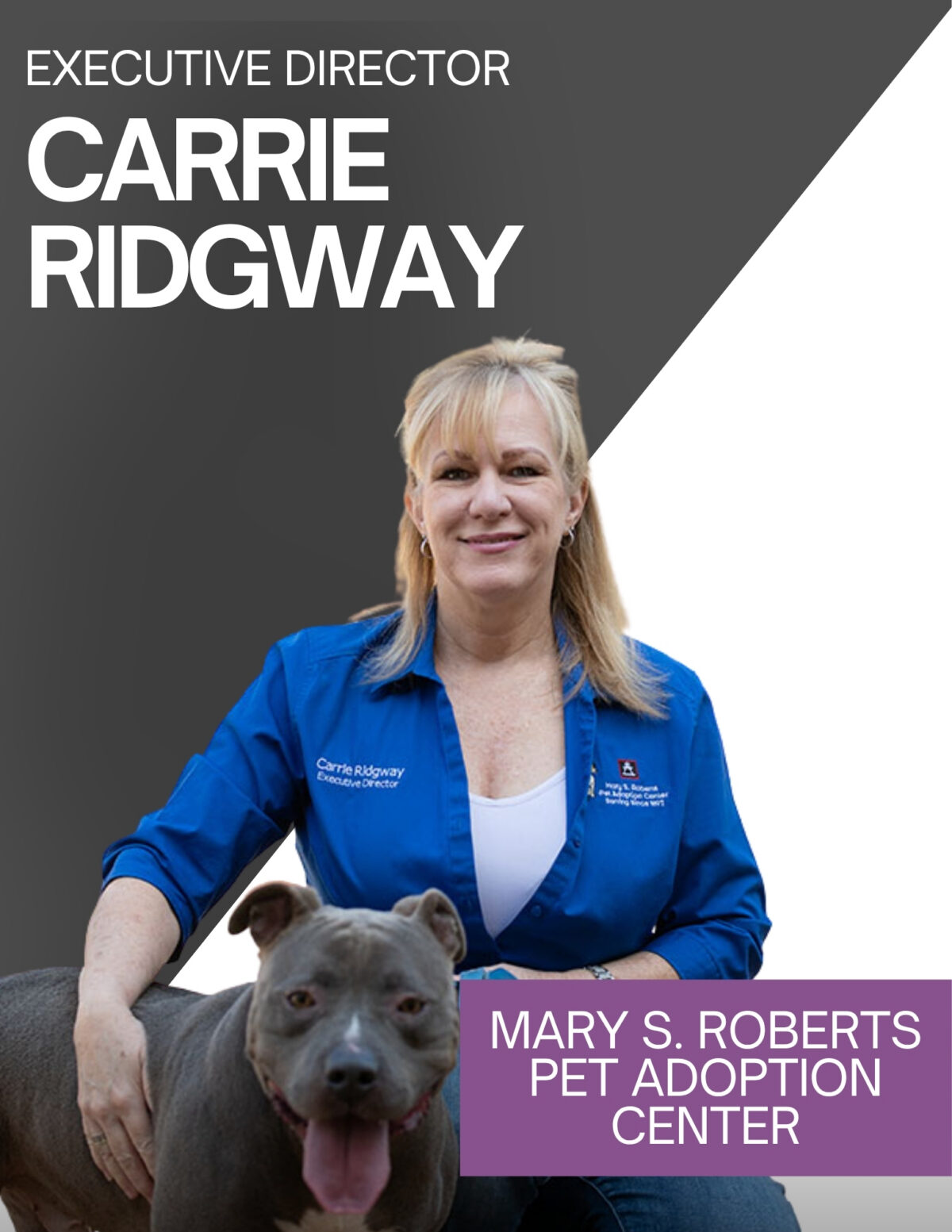
In this episode of the Top Dog Podcast, Carrie Ridgway, Executive Director of the Mary S. Roberts Pet Adoption Center, shares how a part-time fundraising position in 2008 unexpectedly became a lifelong career in animal welfare. Since joining the organization, Carrie has watched it grow from a small shelter with five employees into a 50-person organization with a spay/neuter clinic, thrift store, and a wide range of programs and services.
One of the biggest takeaways from this episode is that modern animal shelters need to be more than places where animals enter and leave. Carrie describes the evolution of Mary S. Roberts into a resource center that helps families, prevents surrender, and works alongside its municipal partners to address the larger challenges facing animals in Riverside County.
“We’re not just an animal shelter. We’re more of a resource center.”
Carrie also emphasizes the importance of treating people with compassion when they come to a shelter during a difficult moment. Many people surrendering pets have already exhausted other options, and judging them can make an already painful situation worse.
“It’s our job to not necessarily celebrate them, but definitely not to judge them.”
Instead, Carrie believes shelters should look for ways to help families keep their pets when possible, or ensure that surrendered animals are given a safe and loving next chapter.
“We owe them the courtesy to be kind and understanding.”
That same philosophy extends to adoption. Carrie challenges the idea that shelters need to find a “perfect” home for every animal. Sometimes, being overly cautious can create barriers that ultimately prevent an animal from finding a loving family.
“Find a reason to say yes.”
Carrie also discusses the importance of staying open to new ideas. Programs such as Doggie Day Out once seemed impossible to her team, but trying something different helped demonstrate what was possible. For Carrie, animal welfare leaders have to be willing to let down their guard, experiment, and learn from failure.
“Sometimes we have to take a step back and go, ‘Let’s try this. Let’s see if this works.'”
As a leader, Carrie has learned that compassion must extend to both animals and people. Leading in animal welfare means making difficult decisions, setting clear expectations, and supporting employees in an industry where burnout and turnover are constant challenges.
“My leadership style or philosophy is mostly to lead with compassion.”
Carrie also reflects on how her perspective toward the people served by animal welfare has changed. Rather than assuming people should already know how to care for their animals, she now sees every interaction as an opportunity to educate, listen, and build understanding.
“It’s okay that they don’t know. And now you look at it as an opportunity to have them know.”
At its core, this episode is about compassionate leadership, embracing change, and giving both people and animals the benefit of the doubt. Carrie reminds us that animal welfare organizations can’t afford to become stagnant. They have to keep learning, adapting, and finding better ways to serve their communities.
“We have to do our absolute best, the best that we can be.”
Looking ahead, Carrie hopes to continue strengthening partnerships with local shelters, expanding existing assistance programs, and developing new services based on what her community actually needs.
“It’s okay to fail. We’ve learned something from it then.”
This message is especially important for Dooberteers, fosters, volunteers, and animal welfare professionals. Every interaction is an opportunity to show compassion, every challenge is an opportunity to learn, and every new idea could help an animal and their family stay together.
If you’re passionate about helping animals, join the Doobert community where volunteers, fosters, transporters, and organizations work together to save lives every day. Visit Doobert.com to get involved.
And don’t forget to subscribe to the Top Dog Podcast on Spotify and Apple Podcasts so you never miss an episode.
Do you know any Top Dogs we should interview? We’re always looking for amazing people in animal welfare to feature on the podcast. Send us an email at tdp@doobert.com.
