Aldwin Roman | Changing Animal Welfare from Reactive to Proactive
Aldwin Roman | Changing Animal Welfare from Reactive to Proactive
Prefer an audio version? Listen here:
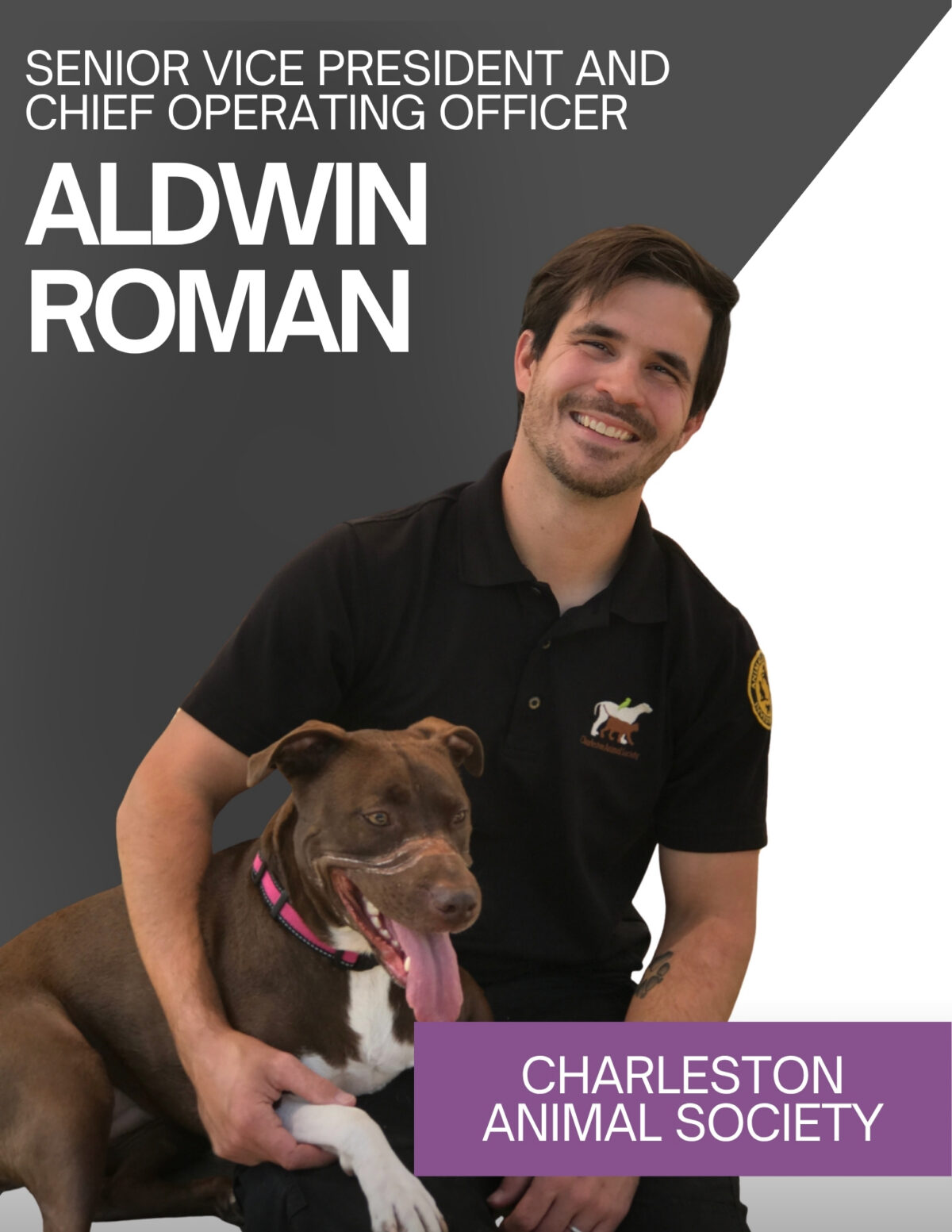
In this episode of the Top Dog Podcast, Aldwin Roman, Senior VP and COO of Charleston Animal Society, shares his unexpected journey into animal welfare and how his perspective on the work has changed throughout his career. Charleston Animal Society is the largest animal organization and shelter in South Carolina, operating an open-admission facility that takes in approximately 15,000 animals each year, along with a public spay/neuter clinic serving both owned and shelter animals.
Aldwin didn’t originally plan on working in animal welfare. After studying political science and hoping to advocate for people who lacked a voice, he found himself reconsidering his career path. His girlfriend, now his wife, suggested that animals might be another way to pursue that same desire to help those who couldn’t advocate for themselves.
“Animals truly are the voiceless creatures.”
What began as a kennel technician position became a career that eventually led Aldwin through veterinary assistance, community outreach, cruelty investigations, disaster response, and organizational leadership.
One of the biggest takeaways from this episode is the shift from reacting to animal welfare problems to preventing them in the first place. Aldwin describes how his work with the Pets for Life program changed the way he understood animal welfare by putting him directly in contact with people struggling to access resources for their pets.
“Animal welfare is actually human welfare through animals.”
That experience helped Aldwin see that helping animals ultimately means helping people. Instead of waiting for animals to enter shelters, organizations can provide veterinary care, spay/neuter services, and other resources directly in neighborhoods.
“Let’s try and be proactive instead of constantly reactive.”
Aldwin believes this shift is one of the most important changes in modern animal welfare. Rather than focusing only on rescuing animals after a crisis occurs, shelters and animal organizations can become service providers that help prevent those crises from happening at all.
Charleston Animal Society reflects that philosophy through its public spay/neuter services and its plans to expand veterinary care. For Aldwin, sheltering itself is necessary, but it isn’t the ultimate goal.
“We want to help animals prevent cruelty without ever having to shelter them to begin with.”
The conversation also explores Aldwin’s approach to leadership. Having worked in many frontline roles himself, he understands the challenges faced by the people he now supervises. Rather than micromanaging, he sees his role as giving his team the resources, support, and freedom they need to succeed.
“My job is to support them.”
Aldwin also reflects on the importance of patience. Early in his career, he wanted change to happen immediately and believed that knowing the right answer was enough. Experience taught him that meaningful change takes time, careful thought, and perseverance.
“If you want change, it’s going to take time.”
As Aldwin gained experience in fundraising, financial management, marketing, and other areas of nonprofit leadership, he began to see animal welfare as a much larger system. Helping one animal matters, but creating lasting change requires understanding how all the pieces work together.
“What is it really going to take to change your community?”
At its core, this episode is about seeing the bigger picture. Animal welfare isn’t just about what happens inside a shelter. It is about prevention, access to care, community support, leadership, and building systems that make life easier for animals and the people who care for them.
Aldwin’s approach to leadership is also grounded in humility. He doesn’t see himself as the center of the organization, but as one part of a much larger team working toward the same mission.
“I’m just one person that’s part of a much bigger team.”
This message is especially important for Dooberteers, fosters, volunteers, and animal welfare professionals. Every animal helped matters, but lasting change comes from asking what we can do to prevent the next animal from needing help in the first place.
If you’re passionate about helping animals, join the Doobert community where volunteers, fosters, transporters, and organizations work together to save lives every day. Visit Doobert.com to get involved.
And don’t forget to subscribe to the Top Dog Podcast on Spotify and Apple Podcasts so you never miss an episode.
Do you know any Top Dogs we should interview? We’re always looking for amazing people in animal welfare to feature on the podcast. Send us an email at tdp@doobert.com.
